
Can Americans hunt in Italy? Yes. U.S. citizens can legally hunt in Italy when accompanied by a licensed outfitter. Italian law allows foreign hunters, provided the required permits, insurance, and regional regulations are respected. With the right local partner, the process is straightforward and fully compliant.
Bring your rifle or rent one? (We recommend renting). Both options are legal. Bringing your own rifle involves paperwork through the Italian Consulate, airline rules, and customs declarations. For most U.S. hunters, renting a high‑quality rifle in Italy is the simplest and fastest solution, avoiding international transport and reducing bureaucracy—especially for short trips.
What paperwork does your outfitter handle?
A professional outfitter like Montefeltro takes care of:
- Italian hunting license (temporary, regional)
- Mandatory liability insurance
- Regional hunting permits and calendars
- Firearm rental or support with import procedures
- Compliance with species quotas and legal hunting methods
You focus on the hunt, we handle the law, logistics, and details.
Italy is world-renowned for its culture, food, fashion, and history, but for discerning hunters, it holds another, more primal allure.
From the alpine ridges of the Dolomites or the rolling hills of Tuscany to the seaside landscapes of the isles of the south, Italy offers an incredibly rich and diverse hunting experience. Whether you’re drawn by the pursuit of the elusive roe deer, the thrill of wild boar hunting, or the refined art of bird hunting with pointing dogs, Italy is a top-tier destination for ethical, sustainable, and unforgettable hunting adventures.
This comprehensive guide explores everything you need to know about hunting in Italy: species, seasons, permits, traditions, regions, and the best ways to plan your trip.
Why Hunting in Italy?
Unmatched Biodiversity: Italy’s varied landscapes, from mountainous terrain to Mediterranean woodlands, offer unique ecosystems teeming with game.
Historical Heritage: Hunting in Italy is deeply rooted in tradition. You’ll find centuries-old hunting lodges, noble estates, and an entire culture around the art of the hunt.
Sustainable & Regulated: Italy enforces strict wildlife laws, ensuring ethical, legal, and respectful hunting practices.
Luxury Meets Wilderness: Many experiences combine five-star hospitality with rugged adventure.
Cultural Immersion: Hunting here isn’t just a sport—it’s a way to connect with Italy’s landscape, cuisine, history, and people.
Italy hunting trips at a glance
| Experience | Best region | Main species | Best season | Ideal duration | Best for |
|---|---|---|---|---|---|
| Alpine chamois hunt | Piedmont Alps | Chamois, red stag | Sept–Dec | 3–5 days | Mountain hunters |
| Roe deer stalking | Northern/Central Italy | Roe deer | June–Sept | 2–4 days | Selective hunters |
| Wild boar hunting | Tuscany, Maremma, Emilia | Wild boar | Oct–Jan / estate-based | 2–4 days | Groups, traditional hunts |
| Bird hunting with dogs | Rivergaro, Emilia | Pheasant, partridge, grey partridge | Sept–Jan | 2–3 days | Pointing dog lovers |
| Duck hunting | Po Valley, Venice | Ducks, waterfowl | Autumn/Winter | 2–4 days | Waterfowl hunters |
| Luxury hunting & culture | Piedmont, Tuscany, Venice, Milan | Mixed | On request | 4–7 days | Couples, premium clients |
FAQs for U.S. Hunters Considering Italy
Can I legally hunt in Italy as an American? What documents do I need?
Yes. It’s legal to hunt in Italy if you comply with national rules and obtain an Italian hunting license plus mandatory third‑party liability insurance. In practice, licensed outfitters (e.g., Montefeltro) handle the license, insurance, and regional compliance (season dates, species, bag limits) on your behalf.
How do I get the Italian license and insurance from abroad?
Your outfitter will do it for you: you send the required ID/passport details (and any other requested documents), and they arrange the Italian license + insurance and register you in the Region where you’ll hunt. Each Region publishes the annual hunting calendar (dates/species/bags); always check the current year’s calendar for your specific Region.
Is it better to bring my own firearm or rent one in Italy?
Bringing your firearm (non‑EU visitors, e.g., U.S.): you’ll need a consular declaration/temporary import permit before departure and then declare the firearm on arrival in Italy; it’s doable but adds paperwork and airport handling.
Renting in Italy: often the easiest option (no international transport or TSA handling); licensed outfitters provide compliant rental firearms on site.
Note: EU residents can travel with firearms using the European Firearms Pass; this does not apply to U.S. citizens who are not EU residents.
How does temporary firearm import from the U.S. work? (practical steps)
Apply in advance at the competent Italian Consulate for a temporary import certificate/consular declaration for hunting purposes (typically valid up to 90 days; required documents and fees vary by consular office).
Carry the consular certificate + ID and any required supporting paperwork; declare the firearm at customs upon arrival in Italy (border police/Questura are notified).
Some sports competitions have dedicated flows via national federations, but for hunting tourism the consular route is the standard.
Can I fly with firearms and ammunition from the U.S.? TSA rules at a glance
Yes, checked baggage only. Firearm unloaded, inside a locked hard‑sided case; declare it at airline check‑in; ammunition in appropriate packaging and within airline limits. Only you retain the keys/combination (unless TSA requests access). Always check your airline’s specific policy in addition to TSA’s requirements.
I don’t want to travel with a firearm, can I rent one in Italy?
Yes. Outfitters provide on‑site firearm rental (compliant and registered) and assist with all insurance and safety aspects. It’s the recommended solution if you want zero bureaucracy and faster logistics.
When is the hunting season? Do seasons vary by Region? How do I verify?
In Italy each Region publishes its official season dates for species and methods (usually released between spring and summer for the following season). Use an updated regional calendar hub and always verify the Region you’ll hunt in (mid‑season adjustments can happen). Real example: Liguria 2025/26 specifies dates for wood pigeon, thrushes, woodcock, and driven wild boar (Oct 1–Jan 31).
Insurance: what coverage is mandatory?
Third‑party liability insurance is mandatory to hunt in Italy; outfitters activate it alongside your license. Many guests also choose personal accident coverage.
How much should I budget, roughly, for a hunting trip in Italy? (USD)
Indicative estimate (simulated content, not contractual): numbers vary by species, season, destination, and service level. Use this only as a budgeting guide—always request an official quote from the outfitter.
- 3–5‑day package (guide, local transfers, board/lodging, license+insurance, 1–2 hunting days included): ~$2,500–$6,000.
- Firearm rental: ~$40–$120/day.
- Additional hunting days: ~$350–$900/day depending on species (alpine vs lowlands, dogs/driven hunts).
- Trophy prep / game meat/trophy shipping: variable (quoted case‑by‑case).
- Non‑hunter add‑ons (wineries/spa/tours): on request.
(This pricing section is a simulation because rates vary; to proceed, have the outfitter quote your exact species, dates, and Region.)
Travel checklist (U.S. hunter)
- Passport + digital copy; driver’s license if renting a car.
- Italian hunting license + liability insurance documentation (usually provided by the outfitter).
- If bringing your firearm: consular temporary import certificate + customs declaration on arrival; TSA‑compliant locked case, firearm unloaded, ammo properly packed; declare at airline check‑in.
- Or: firearm rental confirmation in Italy (no TSA/consular paperwork).
- Technical clothing (layering, rain protection), blaze/orange where required, sturdy boots, hearing/eye protection.
- Regional hunting calendar saved/printed for your hunting area (dates/species/bag limits).
- Key contacts: Outfitter/PH, lodging, travel assistance, and your relevant Italian Consulate contact info.
Final tips
Always re‑check official sources close to your travel date: regional calendars may change (orders/court rulings), and consular or airline rules can update. If in doubt, ask your outfitter for a personalized one‑pager covering: license/insurance, the specific Region’s season, your weapon option (rental vs. import), and emergency contacts.
A centuries old traition of nobility, heritage and style
Long before hunting became a codified ritual in the misty fields of the English countryside or the forests of Scotland, Italy had already developed a refined and ancient hunting tradition, deeply intertwined with the legacy of its noble families and the grandeur of its royal courts.
As early as the Middle Ages, and even more so during the Renaissance, hunting was an integral part of courtly life. It was not merely a sporting activity, but a symbolic act of power, culture, and sophistication. The great noble families, from the Medici in Florence to the Este in Ferrara, the House of Savoy in Piedmont, and the Bourbons in the Kingdom of Naples, owned vast private hunting estates, meticulously managed and cultivated for grand game drives of deer, wild boar, and partridge, often followed by lavish feasts and celebrations.

Historical chronicles recount opulent hunting scenes: noblemen and ladies on horseback, elegant packs of hunting dogs, falconers with trained birds of prey, and liveried servants attending to every detail. These hunts were grand spectacles, social and political events, and symbols of power—often immortalized in paintings, tapestries, and illuminated manuscripts. The hunting grounds themselves were conceived as idealized landscapes, dotted with pavilions, villas, and formal Italian gardens, where art, nature, and the hunt came together in perfect harmony.
Well before the rise of the British “gentleman hunter”, Italian aristocracy had already developed a sophisticated code of conduct for the hunt, rooted in etiquette, land stewardship, and respect for game. Knowledge of wildlife management, dog breeding, and the noble art of falconry was passed down through generations. In many ways, the Italian noble hunt anticipated what we now call sustainable and ethical hunting, combining passion for nature with aesthetic refinement and cultural prestige.
Many of these historic estates still exist today, transformed into high-end private reserves or agritourism hunting grounds, where visitors can experience the elegance and authenticity of traditional Italian hunting. To walk through the rolling hills of a Tuscan estate or under the ancient oaks of an Umbrian property is to tread paths once walked by dukes and princes, in woods that have echoed with the call of hunting horns for centuries.
This deep cultural and historical legacy gives Italian hunting a unique allure. It is not merely a sport, it is an immersive experience, a living tale of civilization and tradition, and the embodiment of a way of life rooted in timeless elegance.
What can you hunt in Italy?
Big Game
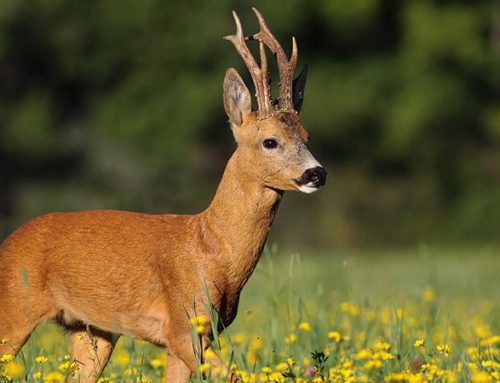
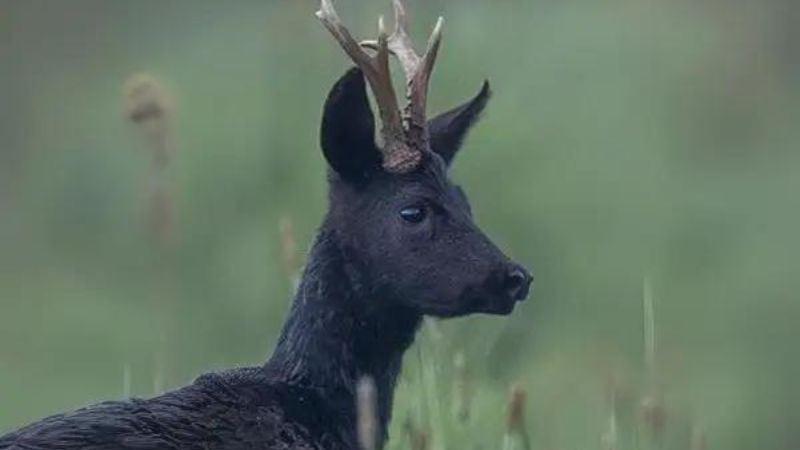
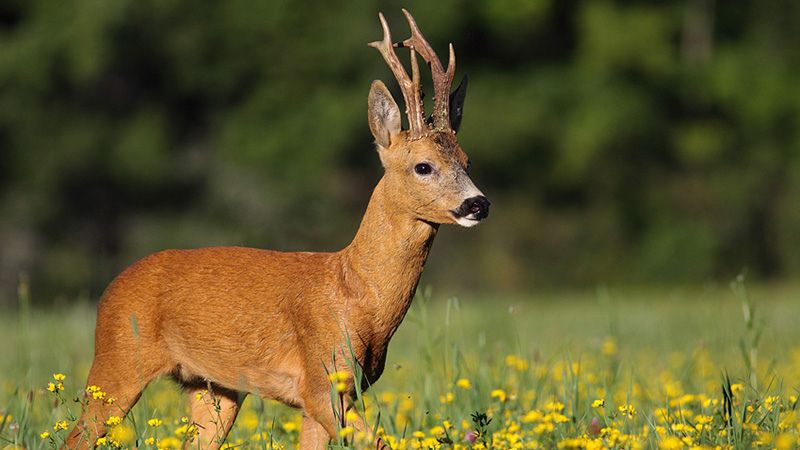
- Roe Deer (Capriolo): Agile and elusive, hunted in summer and fall.
- Red Deer (Cervo): Best hunted during the rutting season (September–October).
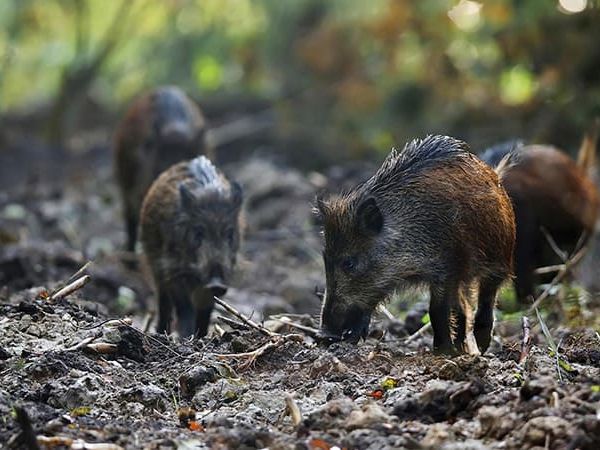
- Wild Boar (Cinghiale): The most iconic species, hunted across the country.
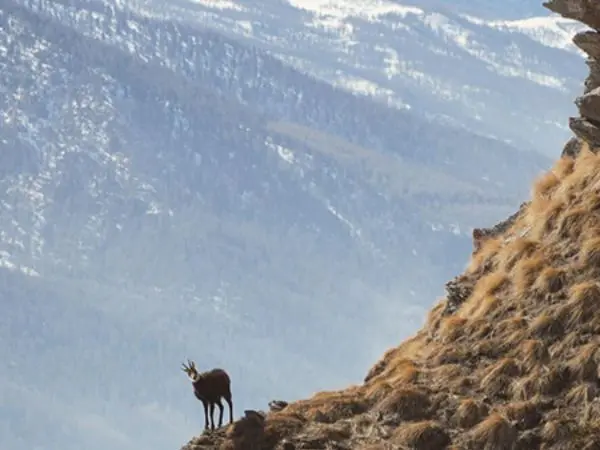
- Chamois (Camoscio): Found in the Alps and Apennines, challenging, high-altitude hunts.
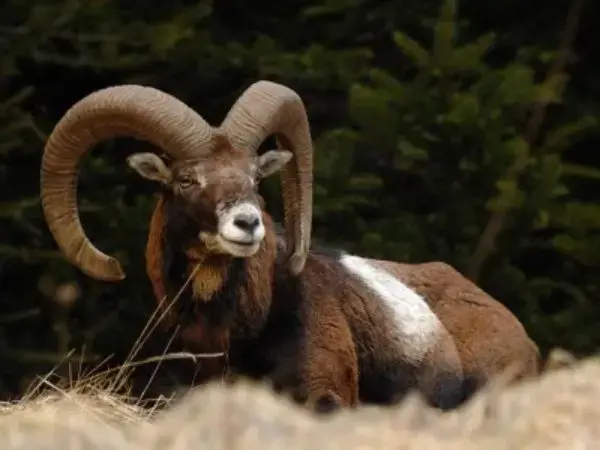
- Mouflon (Muflone): Introduced species with curved horns, often found in Sardinia and central Italy.
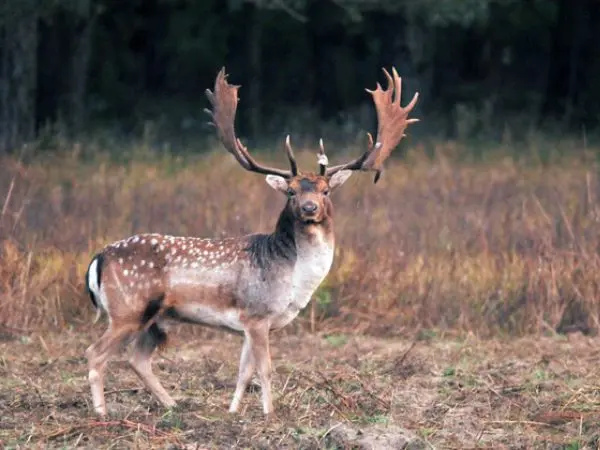
- Fallow deer, prized for their beauty and distinctive antlers, are especially sought after during the rutting season in autumn.
- Small Game and Birds
- Woodcock (Beccaccia): A prized and traditional quarry for dog lovers.
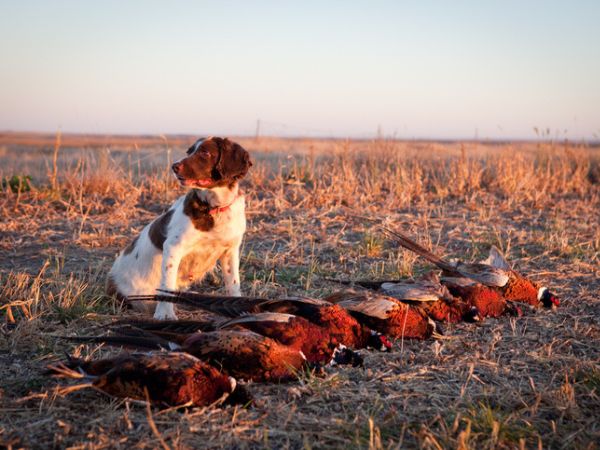
- Pheasant (Fagiano): Often managed in private preserves.
- Partridge (Starna/Rossa): Native and red-legged varieties.
- Hare and Rabbit: Common in agricultural zones.
Tell us what you want to hunt in Italy
Chamois, roe deer, wild boar, pheasant, ducks or a tailor-made luxury itinerary: our team will match you with the right estate, season and region.
Hunting seasons in Italy
The Italian hunting calendar is regulated regionally, but here’s a general outline:
- Roe Deer: June–September (selective hunting), October–December (general season)
- Wild Boar: October–January (driven), year-round in managed areas
- Red Deer & Chamois: September–December
- Birds: October–January, depending on species
Always check regional regulations, as each province may vary slightly in dates and conditions.
Which are the types of hunting experiences
1. Driven Wild Boar Hunting (Battuta di Cinghiale): A communal tradition in Tuscany, Umbria, and Lazio. Hunters are stationed while beaters and dogs drive the boars from dense woods.
2. Stalking and High-Seat Hunts: Ideal for roe and red deer, with early morning or dusk outings.
3. Mountain Hunting: Alpine challenges for chamois or mouflon. Requires physical fitness and skilled guides.
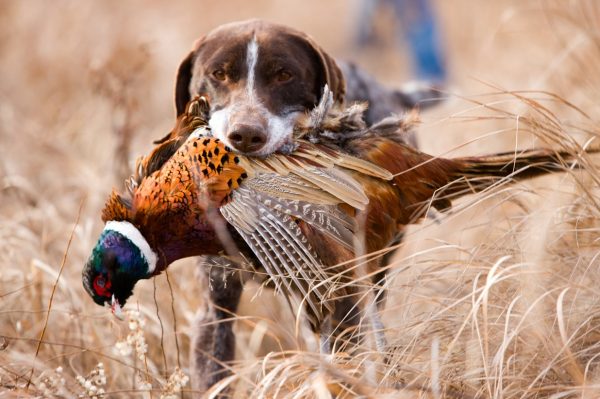
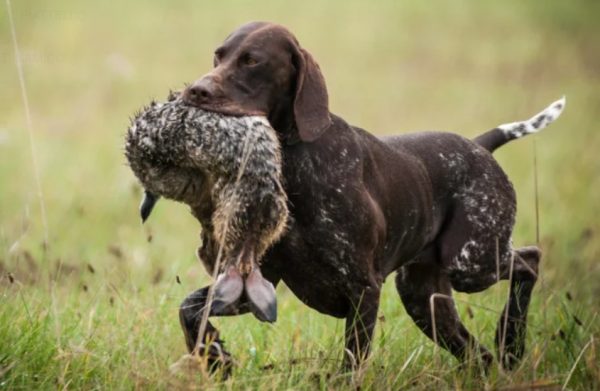
4. Bird Hunting with Pointing Dogs: A poetic ritual. Often done with English Setters, Pointers, and Bracchi Italiani. Especially popular for woodcock and pheasant.
5. Luxury Private Estate Hunts: Managed preserves offer refined experiences with gourmet meals, villa accommodations, and curated itineraries.
What about hunting regulations and permit?
Foreigners can legally hunt in Italy but must comply with certain requirements:
Temporary Hunting License: Obtained via outfitter; valid for one region.
Insurance: Mandatory liability insurance (often included in the package).
Firearm Import: EU hunters can use the European Firearms Pass. Non-EU hunters must declare firearms and obtain a temporary permit.
Species Quotas & Bag Limits: Strictly enforced. Guides will inform you in advance.
Need help with licenses and firearm rental?
Montefeltro can arrange your temporary hunting license, liability insurance, regional permits and rifle rental or firearm import support. Contact us in advance.
Where to hunt in Italy?
Northern Italy (Alps) – Red Stag, Chamois & Roe Deer
Rugged mountains, pristine forests, and classic Alpine stalks define Northern Italy. Chase the red stag, with peak excitement during the rut, navigate steep ridgelines for nimble chamois, and glass wooded edges for roe deer. Expect varied terrain and flexible pacing based on fitness; evenings are for mountain hotels, Piedmont wines, and truffle tastings in the Langhe. Typical trips pair a focused 3–4 hunt days with curated touring (Turin, the Lakes Region, Venice). Best fit if you love active, scenic mountain hunts and iconic Northern itineraries. (Species and seasonal focus per region; stag rut typically in early autumn.)
You’ll hunt: Red stag • Chamois • Roe deer
Explore our hunting destinations in Northern Italy
Piedmont and Lombardy
Game: Roe deer, pheasant, hare
Style: High-seat ambush in vineyard-draped hills, silent stalking in river valleys, and classic pointing dog hunts in autumn fields
Bonus: These northern regions offer refined rural landscapes and sophisticated cuisine. Hunt roe deer among the foggy hills of the Langhe, then visit a Barolo cellar. Lombardia’s countryside estates are perfect for pheasant shooting, and the proximity to Milan makes it ideal for combining business trips with weekend hunts. Don’t miss seasonal truffle tastings and Michelin-starred trattorie.
Emilia Romagna (Piacenza and Modena area)
Game: Roe deer, wild boar, pheasant
Style: Quiet morning stalks in gently rolling terrain, driven hunts for boar in forested zones, and classic dog work in game-rich estates
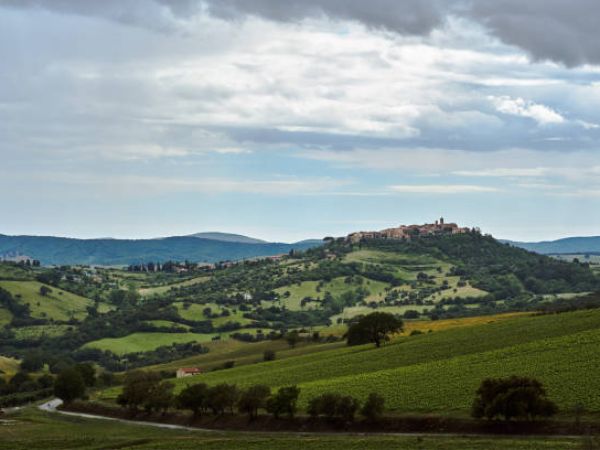
Bonus: A paradise for gourmets, this area offers hunting experiences steeped in local traditions. Start the day with the thrill of a roe deer encounter, and end it with aged Parmigiano Reggiano and tortellini in brodo. Centrally located and easily accessible from Milan, Parma, and Bologna, it’s a perfect mix of hunting, hospitality, and culture.
Veneto (venetian lagoon and countryside)
Game: Waterfowl (ducks, coots), pheasant, hare
Style: Early morning waterfowl shooting from traditional hides and boats in the misty Lagoon; walk-up hunts in flat countryside fields with trained dogs
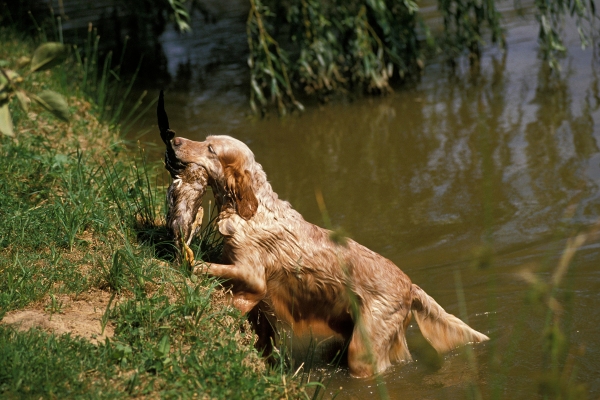
Bonus: The Venetian Lagoon offers one of the most atmospheric hunting settings in Europe, with its still waters and marsh islands. Hunters use flat-bottomed boats known as barchini, guided by local experts who know every inlet and channel. Inland, the fertile plains offer productive bird shooting. Venice is nearby for a post-hunt cultural escape, and the seafood-based cuisine is simply unmatched.
The dolomites and alps
Game: Chamois, red deer
Style: High-altitude stalking in rocky terrain and snow-covered slopes, often requiring multi-day treks
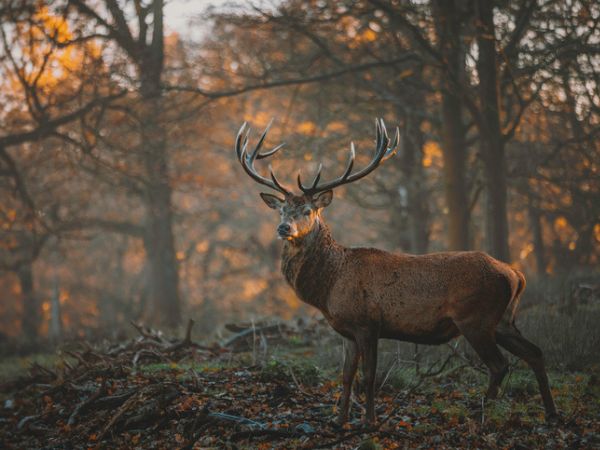
Bonus: These are Italy’s most physically demanding hunts, perfect for experienced hunters seeking a real alpine challenge. The reward is both the pursuit of elusive mountain game and the immersion in breathtaking UNESCO-protected landscapes. Basecamps are often cozy rifugi (alpine lodges), and local game-based cuisine, like speck, polenta, and venison ragù, is the perfect end to a long day.
Central Italy (Tuscany & Umbria) – Roe Buck & Wild Boar
Rolling hills, vineyards, and medieval villages frame relaxed yet exciting hunts for roe buck and wild boar. Mornings/evenings in the field; mid‑day for family‑friendly experiences, wine estates, olive groves, cooking classes, spa time. Options range from quiet high‑seat outings to driven boar with friends; stay in a private villa or boutique lodge near the grounds. It’s the quintessential “hunt + dolce vita” combo with easy access from Rome and Florence, ideal for couples or mixed groups balancing field time and culture.
You’ll hunt: Roe deer • Wild boar • (Seasonal) driven pheasants
Explore our hunting destinations in Central Italy
Tuscany
Game: Wild boar, roe deer, pheasant
Style: Driven hunts through oak forests, selective stalking on hilly terrain, and classic walk-up shooting in fields and woods
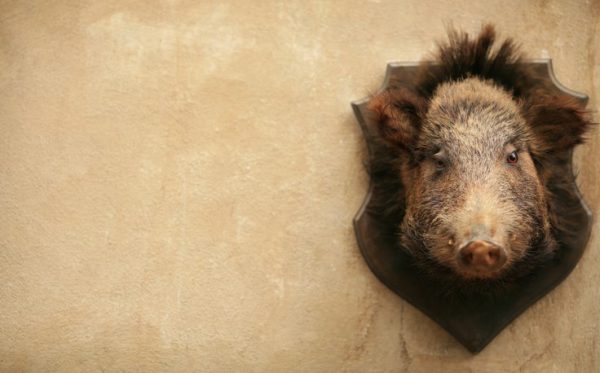
Bonus: Tuscany is the heartland of Italian hunting tradition, with centuries-old estates offering top-tier management and facilities. Hunt near Siena or the Val d’Orcia at dawn, then unwind with a glass of Brunello and a plate of handmade pici. Art lovers can combine the thrill of the hunt with visits to Florence’s museums, while Maremma offers a wilder, more rustic experience by the coast.
Umbria
Game: Woodcock, partridge, hare
Style: Walk-up hunting with pointing dogs in undisturbed woodlands and gently cultivated fields
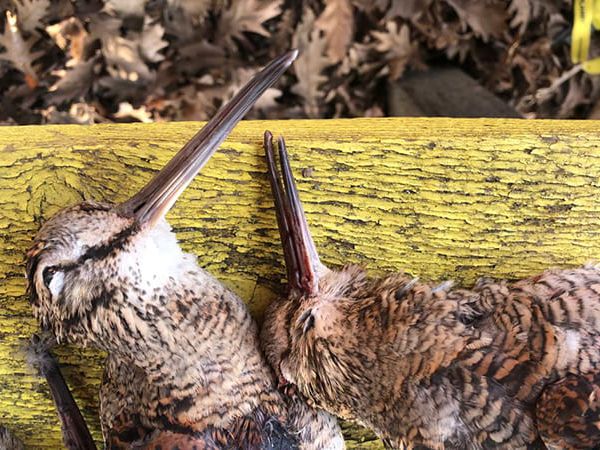
Bonus: Known as the “Green Heart of Italy,” Umbria is less crowded than Tuscany but equally rich in beauty. Hunters are drawn to the quiet charm of its medieval hill towns like Spoleto and Gubbio. The atmosphere is contemplative, steeped in the spiritual legacy of Saint Francis of Assisi. After a hunt, enjoy hearty cuisine with black truffle and full-bodied Sagrantino wines.
Southern Italy (Sicily and Sardinia) – Mouflon, Fallow Deer & Wild Boar
A Mediterranean backdrop, sea views, citrus groves, volcanic landscapes, sets the tone for Sicilian hunts. Pursue mouflon and fallow deer on large, well‑managed estates, with wild boar available much of the year; off the field, sail around Capri, explore Etna, taste limoncello, and dive into millennia of history. It’s a superb add‑on to a Southern Italy tour or a stand‑alone getaway when you want a fun, easier logistics hunt in warm climates. (Estate setup and species availability vary by property.)
You’ll hunt: Mouflon • Fallow deer • Wild boar
Explore Southern Italy
Sardinia
Game: Mouflon, wild boar
Style: Intense stalking and driven hunts in remote, rugged mountains and maquis-covered hills
Bonus: Sardinia is home to unique endemic game, such as the Corsican mouflon, found only here and in parts of Corsica.
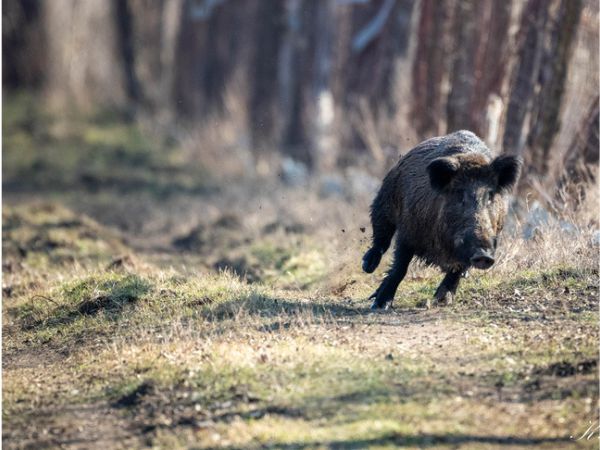
The terrain is wild and untamed, echoing ancient traditions and shepherding culture. Hunters may sleep in agriturismi or traditional “pinnettu” huts. Off the field, enjoy unforgettable beaches, Cannonau wines, and rustic dishes like roasted suckling pig and pecorino sardo.
Choose your Italian hunting region
From the Alps to Tuscany, from Rivergaro to Venice, Montefeltro designs fully guided hunting journeys for international guests.
FAQ
1. Who can hunt in Italy as a foreigner?
Absolutely anyone, with the right paperwork! You’ll typically secure a temporary hunting license for the region you’re hunting in, provided by your outfitter. You’ll also need liability insurance and the proper firearms permits… and believe it or not, all of this is often arranged for you through Montefeltro’s service
2. What types of game can I hunt?
Italy is astonishingly diverse. You can hunt:
- Big game: wild boar, roe deer, red deer, fallow deer, chamois, mouflon
- Birds and small game: pheasant, partridge, woodcock, hare, rabbit
Each region has slightly different offerings and peak seasons, so there’s something for every hunter’s taste.
3. When is the best season to go?
Season dates vary by region and species, here’s a general snapshot
Species Season Dates
- Roe Deer June–September (selective), Oct–Dec
- Wild Boar Oct–Jan (driven); year‑round in managed areas
- Red Deer & Chamois Sep–Dec
- Birds Oct–Jan (species‑dependent)
Always double‑check with your outfitter for exact dates.
Ethical and sustainable hunting
Italian hunting is built around respect, for wildlife, habitat, and heritage. Conservation programs, restocking efforts, and population management are integral. Hunts are guided by expert wildlife managers who monitor species densities and territory health.

The beautiful hunting Lodge “La Montefeltro” nested in the hills near Piacenza in the north of Italy
Many lodges and outfitters now embrace a “hunt-to-table” philosophy, integrating culinary traditions with game preparation.
What to expect from a guided hunt in Italy?
A professional experience usually includes:
- English-speaking PH (Professional Hunter) or guide
- Transfers, accommodation, and meals
- Permits and insurance paperwork

- Firearm support or rental (if needed)
- Game preparation and trophy assistance
Expect high hospitality standards, local cuisine, and a strong cultural component. Italy blends the thrill of the chase with genuine human connection.
Travel tips for international hunters
When to Book: 3–6 months in advance
Firearms: EU pass or temporary customs procedure
Clothing: Layers for varying climates; orange gear often required
- Fitness: Important for mountain hunts
- Travel Insurance: Include hunting activity
- Non-hunting Companions: Many programs offer wine tours, spas, or cultural excursions

Sample Itinerary: 5-day wild boar and roe deer hunt in tuscany
- Day 1: Arrival, lodge check-in, local dinner
- Day 2: Morning roe deer stalk, afternoon tour of winery
- Day 3: Driven wild boar hunt
- Day 4: Morning bird hunt with dogs, truffle tasting
- Day 5: Breakfast, trophy packing, departure
Italy, land of hunting and fine guns: the Gardone Val Trompia district and beyond
A hunting trip to Italy is not just about experiencing diverse and breathtaking landscapes, noble game species, and centuries-old traditions. It’s also the perfect opportunity to discover one of the world’s finest expressions of craftsmanship: Italy’s renowned production of fine hunting firearms, centered in the legendary district of Gardone Val Trompia in Lombardy.
This small valley nestled in the Brescia Pre-Alps has been the beating heart of Italian gunmaking since the 15th century, when it supplied arquebuses and blades to European courts. Today, Gardone is synonymous with mechanical excellence, artisanal finesse, and stylistic innovation. It is home to legendary names such as Beretta, F.lli Piotti, Famars, Zoli, Perazzi, Rizzini, and many others, brands that are beloved and collected by hunters and sports shooters worldwide.
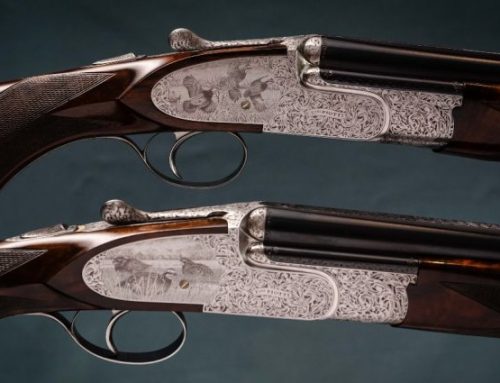
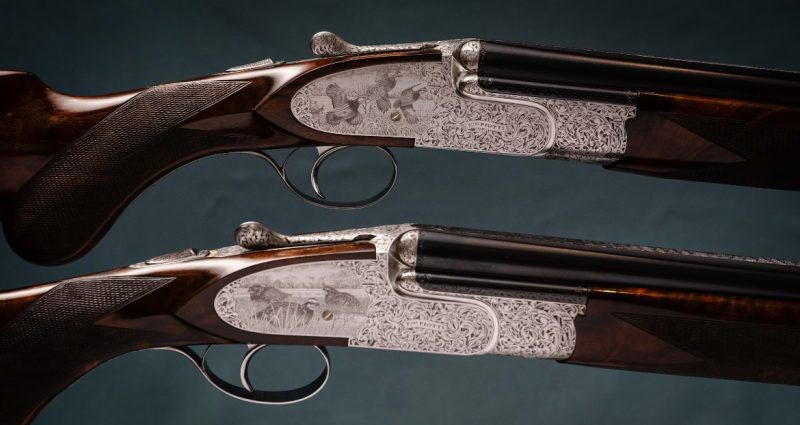
The firearms produced in Gardone Val Trompia are far more than tools; they are mechanical works of art, the result of a marriage between cutting-edge technology and centuries-old craftsmanship. The shotguns and over-and-unders made here are celebrated for their perfect balance, hand-engraved beauty, premium barrels, and mechanical precision. Every gun tells a story of skill, passion, and patience.
For this reason, anyone choosing Italy as a hunting destination should not miss the opportunity to visit this sacred place of gunmaking culture. Touring a fine gun factory means stepping into a world of detail and tradition: watching master craftsmen at work, hearing the sound of metal being shaped, touching perfectly polished European walnut stocks. It’s the best way to understand the deeper soul of Italian hunting: elegant, respectful, and authentic.
Several manufacturers offer guided tours by appointment, allowing visitors to customize their own firearm, choosing materials, engravings, and caliber, or to purchase a unique piece as an unforgettable memento. For many international hunters, this moment is a true highlight of the trip.
But Italy’s excellence in firearms manufacturing doesn’t stop in Gardone. In the heart of the Marche region lies Urbino, a Renaissance jewel and home to Benelli Armi, one of the world’s most advanced manufacturers of semi-automatic shotguns. Renowned for its innovation, performance, and military-grade reliability, Benelli represents the technological frontier of Italian gunmaking.
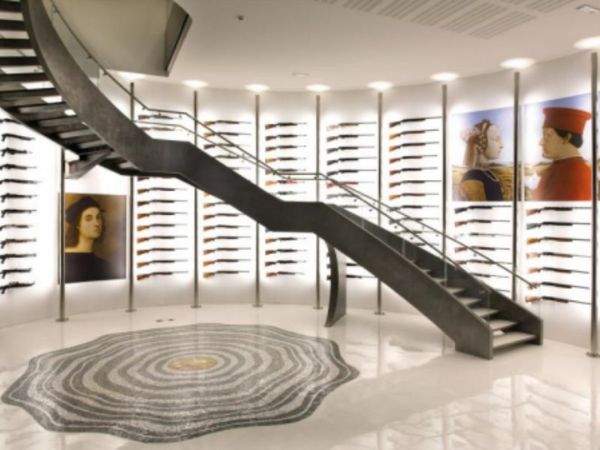
A visit to the Benelli factory in Urbino offers a fascinating contrast to the artisanal workshops of Gardone. Here, sleek modern facilities meet decades of engineering experience, and the focus is on innovation, precision manufacturing, and performance-driven design. After touring the factory, visitors can explore the historic center of Urbino, a UNESCO World Heritage Site rich in art, architecture, and cultural charm, the perfect blend of cutting-edge technology and timeless Italian beauty.
Gardone Val Trompia and Urbino together represent the two souls of Italian firearms: tradition and innovation. Whether you are passionate about bespoke, hand-crafted doubles or cutting-edge semi-autos, Italy offers an unparalleled journey into the heart of gunmaking excellence.
For those who love hunting, appreciating the craft behind it is essential and a visit to these iconic places makes any hunting journey to Italy truly complete and unforgettable.
Italy is not just a destination, it is an experience. Hunting in Italy offers the perfect blend of ancient tradition, respectful sport, culinary art, and immersive culture. For the international hunter seeking something beyond the ordinary, this country delivers on every level: from its scenic landscapes and skilled guides to its luxurious hospitality and ecological values.
Frequently Asked Questions
1. What styles of hunting are available?
Italy offers a rich variety:
- Driven wild boar hunts with beaters and dogs (classic in Tuscany, Umbria)
- Stalking/ambush hunts for deer at dawn or dusk
- Mountain hunts for chamois in the Alps or Dolomites
- Pointing dog bird hunts, a poetic, timeless experience
- Luxury private estate hunts with fine food, lodges, and VIP service
2. Are hunts ethical and sustainable?
Yes! Everything’s regulated. Licenses, quotas, restocking efforts, Italy is serious about conservation. Many hunts go with a “hunt-to-table” philosophy, blending respect for nature with culinary traditions
3. What’s included in a Montefeltro guided hunting trip?
They’ve got you covered:
- Experienced, English-speaking Professional Hunter/guide
- All transfers, accommodation, and meals
- Permits, insurance, firearm support or rental
- Game prep, trophy care and even culinary or cultural extras
It’s a full-service, stress-free approach.
4. How far in advance should I book?
At least 3–6 months ahead is recommended, especially for peak season hunts. The best dates and accommodations fill fast
5. Can non-hunters come along?
Absolutely. Many trips include curated experiences, vineyard visits, spa days, truffle hunts, art tours in Florence or Milan… a great option if your partner or family wants a parallel adventure
6. What about firearms, can I bring mine?
EU hunters: use your European Firearms Pass.
Non-EU hunters: need to declare firearms and get a temporary import permit.
Your outfitter will walk you step-by-step through customs and regulations, so you only have to show up and hunt
7. What should I pack and prepare?
Here’s a quick checklist:
- Layers for changing weather, high-altitude chill to field heat
- Fluorescent/orange gear (often mandatory)
- Good physical fitness, especially for mountain terrain
- Valid travel insurance that includes hunting activity
8. Can I combine hunting with culture and cuisine?
Definitely! Picture: morning boar hunt, afternoon truffle tasting, evening in a hilltop town… followed by a fine dinner with Brunello or Sagrantino wines. Add visits to Gardone Val Trompia (the gun-making capital) and you’ve got an authentic Italian cultural immersion
9. What makes Montefeltro special?
Montefeltro isn’t just a guide service, it’s a tradition since 1993, backed by the legacy of Beretta. We’re known for:
- Tailor‑made trips with impeccable logistics
- Combining trophy hunting with family‑friendly extras
- Luxury as standard, not add‑on
In short: you hunt hard, eat well, dive into culture and they deal with the puzzles.
10. How do I book or get more info?
The easiest way? Reach out to Montefeltro via phone or email, tell them what kind of game and experience you’re after and they’ll design your dream hunt with dates, permits, pricing, lodging, and any extras you want.
Start planning your next unforgettable hunting adventure in Italy today and discover the deeper soul of this extraordinary land, one hunt at a time.