
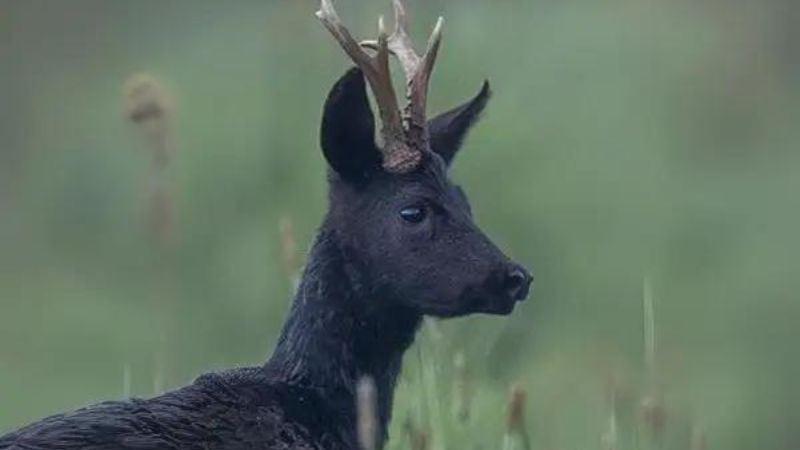
Black roe deer hunting in Germany is one of the rarest and most fascinating experiences in European deer hunting. The black roe deer, also known as the melanistic roe deer, is not a separate species but an uncommon color variation of the European roe deer, caused by an excess of dark pigmentation in the coat. Found mainly in specific forested areas of Germany, this animal combines rarity, elegance and strong symbolic value. Hunting it requires patience, local knowledge, strict respect for German hunting regulations and a deeply ethical approach. More than a simple trophy, the black roe deer represents a unique encounter with one of Europe’s most mysterious and admired wild animals.
Read our posts on roe deer hunting around the world
What is a black roe deer? The rare melanistic roe deer of Germany
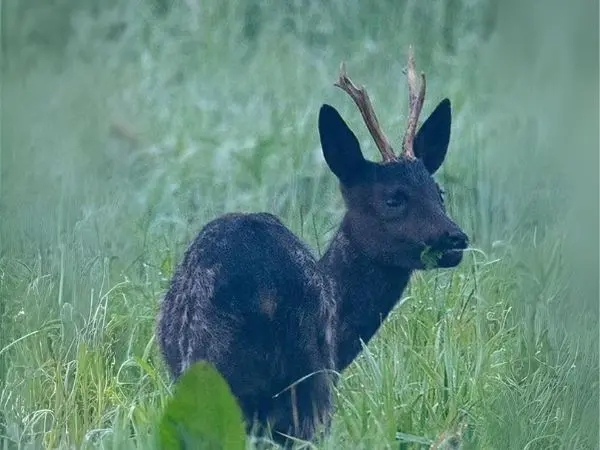
The black roe deer is one of the most unusual and captivating forms of the European roe deer. It is not a different species, but a rare melanistic variation, distinguished by a dark brown, charcoal or almost black coat caused by an increased concentration of melanin in the fur. This exceptional coloration gives the animal a striking appearance, especially when it moves silently through the deep forests, shaded clearings and mixed woodland landscapes of Germany.
Germany is one of the few European countries where this rare color morph has been observed with greater consistency, particularly in areas where dense forests, quiet agricultural margins and well-managed hunting grounds offer ideal conditions for roe deer. The black coat may provide an advantage in shadowed woodland habitats, helping the animal blend into the darker background of the forest, although it also makes it visually extraordinary to the trained eye of a hunter or naturalist.
For hunters, encountering a black roe deer is never an ordinary moment. It requires patience, discretion and a profound understanding of roe deer behavior. These animals are typically most active at dawn and dusk, when they leave the cover of the forest to feed on grasses, buds, leaves and tender shoots. Their elusive nature, combined with the rarity of melanism, makes black roe deer hunting in Germany an experience that belongs to the most refined and selective traditions of European hunting.
This animal primarily inhabits the forested regions of central and southern Germany, where the dense undergrowth and wooded areas provide an ideal habitat.
The melanistic roe deer prefers mixed broadleaf and coniferous forests, where it can find both shelter and abundant food. These forests are often rich in oaks, beeches, pines, and spruces, creating a diverse environment suited to the roe deer’s needs. The animal is usually active at dawn and dusk, when it emerges to graze on grasses, buds, leaves, and shoots. During the day, it tends to rest in denser and safer parts of the forest.
The black color of this roe deer’s coat is due to a genetic condition known as melanism, which causes an excess production of melanin pigment in the skin and fur. This color variation is rare and gives the animal a distinctive appearance. Melanism can offer some camouflage advantages, especially in dense and shady forests, but it can also make the animal more visible in open areas.
Hunting melanistic roe deer in Germany follows strict regulations and hunting seasons established to ensure the conservation of the species. Typically, the hunting season for roe deer takes place in the fall and winter, when the deer are easier to spot due to the shedding of leaves.
How Melanistic Roe Deer Hunting is Conducted
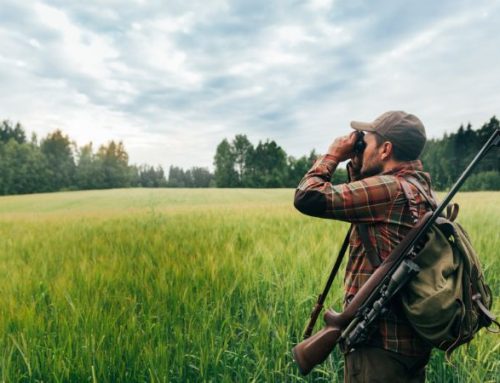
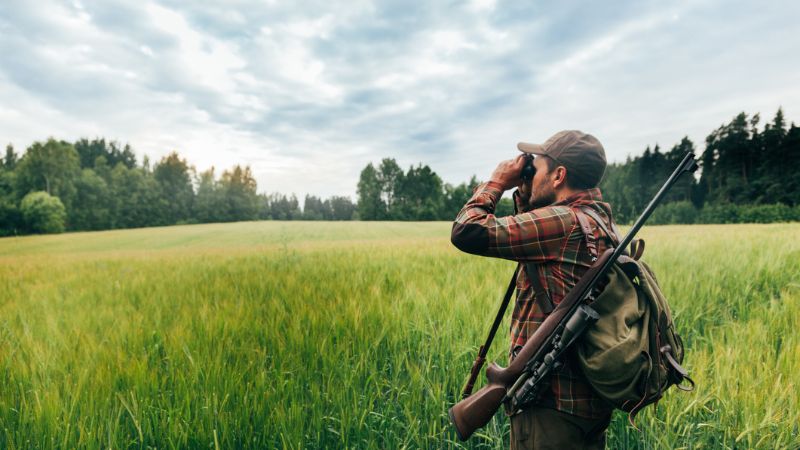
Stalking (Hunting from a Stand): This technique involves patiently waiting in observation towers or hides near deer trails or feeding areas. Hunters use binoculars to spot roe deer from a distance and wait for the right moment to take a precise shot.
Driven Hunt: This technique involves a group of hunters who drive the roe deer towards a shooting line. This method requires careful coordination among hunters and can be less selective compared to stalking.
Spot and Stalk: This involves walking slowly and carefully through the forest, trying to spot the roe deer while they graze or rest. This technique requires great skill and knowledge of the terrain.
Conservation and Ethics
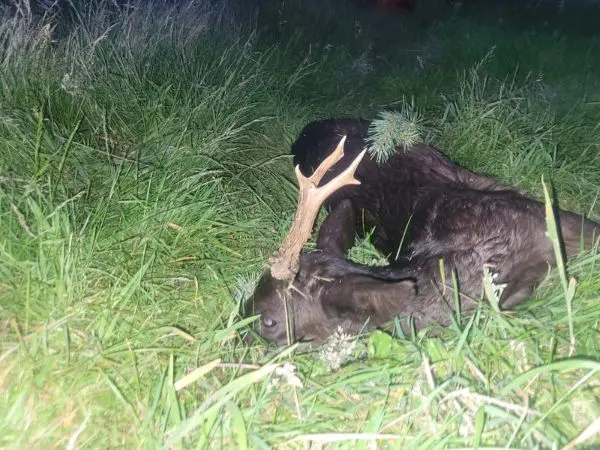
Hunting melanistic roe deer, like hunting any other species, must be conducted ethically and sustainably. It is essential to adhere to local laws and quotas to ensure that roe deer populations remain stable. Additionally, selecting the right animals to hunt is crucial for maintaining a healthy and genetically diverse population.
In conclusion, the melanistic roe deer represents a fascinating and rare variation of the common European roe deer. Regulated and respectful hunting practices offer hunters the opportunity to engage with German nature and contribute to sustainable wildlife management.
The Tradition of Hunting in Germany
Italian hunters traditionally do not consider Germany a primary destination for their hunting expeditions, but the country offers a wealth of wildlife both in number and species. Hunting in Germany is deeply rooted in the country’s culture and traditions, with a history stretching back centuries. Hunting is not only viewed as a recreational activity but also as an important responsibility for the management and conservation of wildlife and ecosystems. German hunters are often very respectful of nature and follow strict regulations and traditions to ensure sustainable and ethical hunting practices.
Regions Noted for Hunting
In Germany, several regions are particularly renowned for hunting, each with its own specific features and types of game. Here are some of the main regions:
Bavaria (Bayern): This southern region is famous for its extensive forests and the Bavarian Alps, which provide ideal habitats for deer, roe deer, wild boar, and chamois. The Bavarian forests are also known for bird hunting, including pheasants and woodcocks.
Rhineland-Palatinate (Rheinland-Pfalz): Characterized by broadleaf and coniferous forests, this region is rich in roe deer, deer, and wild boar. Hunting in Rhineland-Palatinate is very popular and well-regulated.
Brandenburg: Located in the northeast, this region offers extensive plains and forests, ideal for hunting deer, roe deer, wild boar, and hares. It is also an excellent area for waterfowl hunting in the wetlands.
Lower Saxony (Niedersachsen): With its vast wooded areas and plains, this region is a paradise for hunters of wild boar, deer, and roe deer. The hunting reserves in Lower Saxony are highly regarded for their sustainable management practices.

Rites and Traditions of German Hunters
Hunting in Germany is accompanied by numerous rites and traditions that transform the practice into a significant social and cultural ritual. Here are some of the most notable elements:
Hunting License (Jagdschein): To hunt legally in Germany, one must obtain a hunting license, which requires completing a rigorous training course and passing an examination. This course covers wildlife knowledge, hunting techniques, safety, and hunting laws.
Hunter’s Salute (Jägerschlag): A traditional ceremony marking the initiation of new hunters. During this ceremony, new hunters are officially welcomed into the hunting community and receive an oak branch as a symbol of their new status.
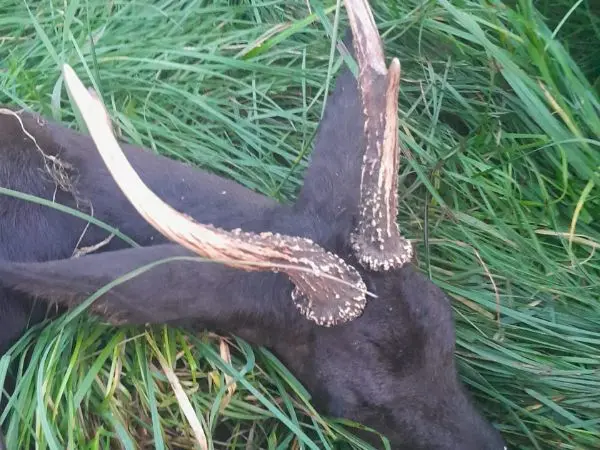
Sign of Honor (Bruchzeichen): After a successful hunt, German hunters follow a ritual where a branch or leaf is placed in the animal’s mouth as a mark of respect. The twig symbolizes the animal’s last meal on its journey to the afterlife. Additionally, a branch is broken and placed on the hat of the hunter who made the kill, celebrating the success of the hunt. The gamekeeper greets the hunter with “Weidmannsheil,” to which the hunter responds with “Weidmannsdanke” in gratitude.
Driven Hunts (Treibjagd): A traditional form of collective hunting where hunters, positioned in a line, move through the terrain pushing game towards shooters stationed at various points. This method is particularly used for hunting wild boar and deer.
Hunter’s Dinner (Jägerabend): At the end of a hunting day, it is customary to gather for a dinner celebrating the day’s hunt. This meal is a time for camaraderie and sharing, where hunters recount their experiences and strengthen bonds within the community.
Hunting in Germany is much more than just a sport; it is a tradition rich in history, culture, and respect for nature. The strict regulations and traditional rites reflect the importance of a sustainable and ethical approach to hunting, ensuring the conservation of wildlife and the perpetuation of hunting traditions for future generations. The hunting regions offer breathtaking landscapes and a variety of game, making each hunting experience unique and profoundly meaningful.
FAQ
What is a black roe deer?
A black roe deer is a rare melanistic color variation of the European roe deer. It is not a separate species, but an individual roe deer with an unusually dark coat caused by an excess of melanin pigmentation.
Are black roe deer found in Germany?
Yes. Germany is one of the European countries where black or melanistic roe deer are most famously associated with certain forested regions. They are still rare, but some areas of Germany are known for occasional sightings and regulated hunting opportunities.
Why are some roe deer black?
Some roe deer are black because of melanism, a genetic condition that increases the production of dark pigment in the skin and fur. This gives the animal a dark brown, charcoal or almost black appearance.
Is the black roe deer a different species?
No. The black roe deer belongs to the same species as the common European roe deer, Capreolus capreolus. Its dark coat is simply a rare genetic color variation.
Where do black roe deer live in Germany?
Black roe deer are generally associated with quiet forested landscapes, mixed woodlands, dense undergrowth and agricultural edges where roe deer can find food, shelter and protection. They are most often linked to well-managed hunting areas with stable roe deer populations.
Is black roe deer hunting legal in Germany?
Black roe deer hunting in Germany is subject to the same strict hunting laws, seasons, licenses and management rules that regulate roe deer hunting in general. Hunters must always follow local regulations and hunt only within authorized periods and areas.
When is the best time to hunt black roe deer in Germany?
The best period depends on local German hunting seasons and the specific management plan of the hunting area. In general, roe deer hunting requires careful timing, with early morning and late evening often being the most productive moments because roe deer are naturally more active at dawn and dusk.
How is black roe deer hunting usually conducted?
Black roe deer hunting is usually conducted through selective and patient methods such as stalking, hunting from a high seat or careful observation near feeding areas and forest edges. The goal is to identify the right animal clearly and make an ethical, precise shot.
Why is black roe deer hunting considered so special?
It is special because the black roe deer is extremely rare, visually striking and deeply connected to the old European hunting tradition. For many hunters, seeing one in the wild is already an unforgettable experience.
Is hunting black roe deer ethical?
It can be ethical only when it is carried out legally, selectively and sustainably. Responsible hunting must respect quotas, seasons, population health and the cultural value of such a rare animal. The decision to take a black roe deer should always be guided by restraint and respect.
What makes Germany an important destination for roe deer hunting?
Germany has a long and highly regulated hunting culture, with strong traditions, strict licensing, professional wildlife management and excellent roe deer habitats. This makes it one of the most respected destinations in Europe for selective roe deer hunting.
Do hunters need a license to hunt roe deer in Germany?
Yes. Hunting in Germany requires proper authorization and compliance with strict legal requirements. German hunting culture places great importance on training, safety, wildlife knowledge and respect for the animal.
What is the difference between black roe deer and normal roe deer?
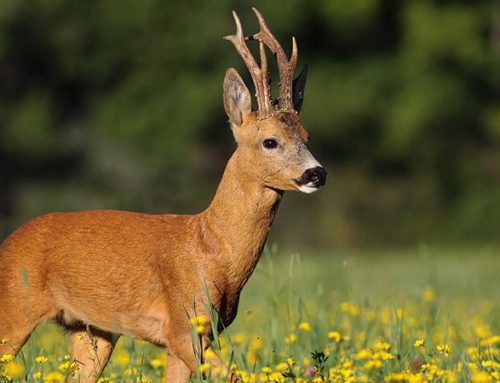
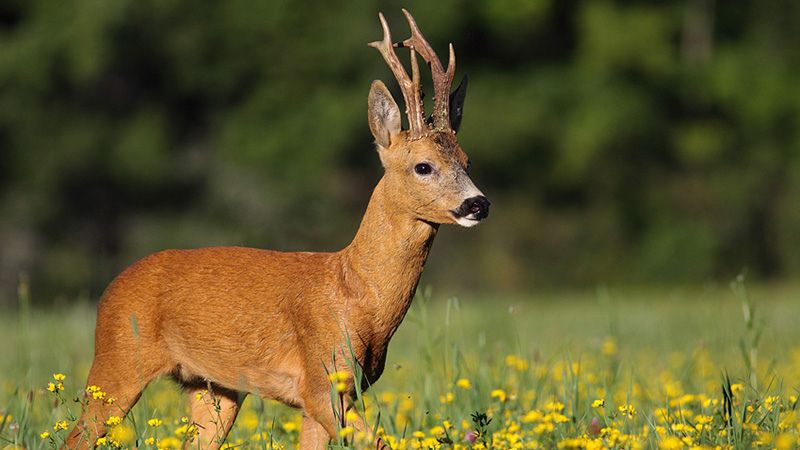
The main difference is the coat color. A normal roe deer has a reddish-brown summer coat and a grey-brown winter coat, while a black roe deer has a much darker appearance due to melanism. Their species, behavior and ecological role remain the same.
Can Montefeltro organize black roe deer hunting experiences in Germany?
Montefeltro can assist international hunters in discovering exclusive and carefully selected hunting experiences in Europe, always with attention to legality, ethics, local traditions and sustainable wildlife management. Because black roe deer are rare, any opportunity must be considered exceptional and never treated as guaranteed.