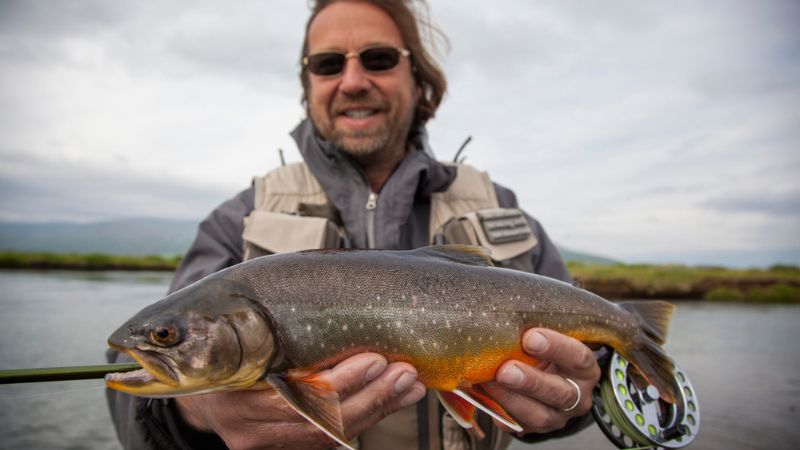
East Rangá, West Rangá, and Leirvogsá are three very different rivers, and choosing well means understanding what kind of fishing experience you want to have in Iceland. East Rangá is the most iconic and well-structured choice, ideal for those seeking a classic salmon experience with high-level lodges and good accessibility. West Rangá is more stable, has a longer season, and is perfect for those who want continuity and a well-paced week. Leirvogsá, on the other hand, is the most intimate and exclusive option, close to Reykjavík, ideal for those looking for a more technical and refined fishing experience, with the added appeal of sea trout.
In Brief
- East Rangá: The classic Icelandic river for those seeking a strong name, structured lodge, comfort, and accessible yet prestigious fishing.
- West Rangá: The most stable and consistent choice, ideal for those who want a longer season and a well-paced week.
- Leirvogsá: The most intimate and exclusive river, perfect for those seeking more technical fishing close to Reykjavík, with the charm of sea trout.
East Rangá, West Rangá, and Leirvogsá: Three Rivers, Three Experiences
When it comes to salmon fishing in Iceland, the most common mistake is thinking that simply choosing “a nice river” is enough. In reality, anyone who starts examining Icelandic destinations carefully soon realizes that the real difference isn’t just the river’s name, but the type of experience it can offer. This is where one of the most important questions for serious fishing travelers arises: what are the differences between East Rangá, West Rangá, and Leirvogsá?
The most honest answer is that there is no “best” river in absolute terms. Rather, there is a river best suited to your fishing style, the period you can travel, the level of comfort you want, the number of days you plan to dedicate, and your vision of Iceland.
Montefeltro today presents these three rivers as very different yet complementary options: East Rangá as a productive, well-structured classic, West Rangá as a stable system with a longer season, and Leirvogsá as a more intimate, exclusive experience close to Reykjavík with the added value of sea trout.
Why You Shouldn’t Choose Only by the River Name
Many anglers, especially first-time visitors to Iceland, focus on a single factor: the river’s fame or the number of salmon. This is understandable, but it’s an incomplete criterion. In Iceland, other aspects are just as important: the river’s structure, the number of rods in use, accessibility, presence of guides, distance from Reykjavík, type of lodge, and the overall rhythm of the week. These details are crucial—they turn a generally “nice” trip into the right trip.
The comparison between East Rangá, West Rangá, and Leirvogsá should therefore be read as a comparison of three identities. East Rangá is the river of great reputation and balance between productivity and comfort. West Rangá is the river of continuity, stability, and structure. Leirvogsá is the river of refinement, proximity to the city, and a more reserved experience. Understanding this difference is the first real step in choosing wisely.
East Rangá: The Classic Productive and Comfortable River
East Rangá is probably the river name that most easily captures the imagination of anglers dreaming of Iceland. Montefeltro describes it as a 22 km river, divided into eight fishing sectors, accessible even for those who don’t want to wade difficult sections, and perfect for double-handed rods. The setup is clear: a major, serious river, yet readable, where the premium experience comes not only from the fish but also from the ability to fish at a steady rhythm in comfort.
Numbers help define its profile. Montefeltro indicates the East Rangá season runs from June 24 to September 3, with the best period from July 10 to August 25, an average of 4,867 salmon caught over the last 5 years with 16 rods active, an average fish size of 6–7 pounds, and one guide for every two rods. The official East Rangá site adds that it has long been considered one of the most productive rivers in Iceland, with a season of around 120 days and an average annual catch of over 4,000 salmon.
But East Rangá isn’t just about productivity. It is also one of the rivers most oriented toward those seeking a well-curated stay. Montefeltro mentions a lodge with 18 double rooms with private bathrooms, a restaurant, bar, jacuzzi, and sauna—all elements that make a difference for those wanting a technical yet relaxing and well-organized fishing trip. In other words, East Rangá is often the right choice for anglers who want the charm of great Icelandic salmon within a comfortable, solid, and prestigious formula.
West Rangá: More Stability, More Continuity, Longer Season
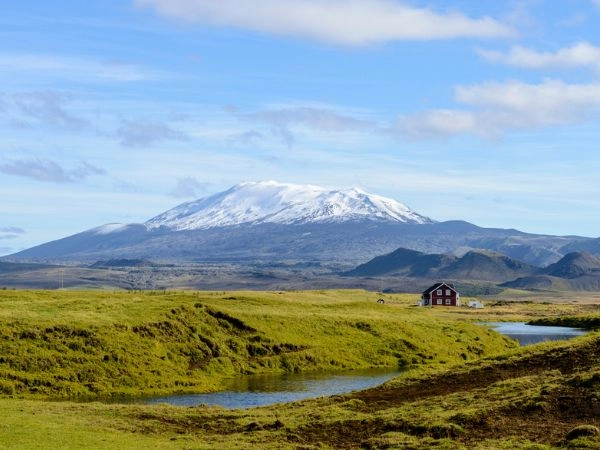
If East Rangá is the river of grand seduction, West Rangá is often the river of continuity. Montefeltro emphasizes a key aspect: the river’s sources originate at the slopes of Mount Hekla, helping maintain constant temperature and flow throughout the season. For anglers, this means a river that tends to offer good stability even when other waters are more affected by variations.
Here, too, the data highlights its character. Montefeltro indicates a season from June 24 to October 10—longer than East Rangá—with the best period from July 5 to August 20. Active rods increase from 14 to 20 over the season, the average salmon size is 7 pounds, and the guide ratio remains one for every two rods. The distance from Reykjavík is about 90 km, keeping it logistically convenient while maintaining a strong wilderness identity.
West Rangá is particularly interesting for those wanting a longer week with a steady pace and a wider seasonal window. Montefeltro recommends 4–6 days for both East and West Rangá, but for West Rangá, this duration often adds value, as the river rewards those who engage with its rhythm consistently. If you prefer fishing less for “iconic moments” and more as part of a stable system, West Rangá may be the best choice.
Leirvogsá: The Most Exclusive and Refined Choice
Leirvogsá changes the tone completely. Here, the focus isn’t on Iceland’s large salmon machine but on a much more intimate, technical, and personal experience. Montefeltro presents it as one of the best salmon fishing destinations in Iceland, but immediately highlights a distinctive feature: an abundant sea trout population, with specimens reaching up to 10 pounds and an average size around 3 pounds. This alone makes it clear that Leirvogsá shouldn’t be read as a “smaller Rangá” but as a different type of experience.
Its strength is also its location. Leirvogsá flows just a few minutes from Reykjavík—around 10 km from the capital. This allows anglers to combine real fishing with urban comfort, high-level hotels, restaurants, and easier logistics compared to more remote options. Despite its proximity to the city, the river retains sections of absolute quiet and solitude, especially in the upper reaches with gorges and canyons.
The fishing setup is also completely different: only 2 rods are available, one guide per two rods, and a very specific window for sea trout from April 15 to May 15, with fly-only rules and mandatory catch-and-release for sea trout and kelt salmon. Montefeltro suggests a shorter stay—3 to 5 days—because Leirvogsá is a river to experience with finesse rather than volume.
Practical Differences Between East Rangá, West Rangá, and Leirvogsá
In practice, the comparison can be summarized as follows:
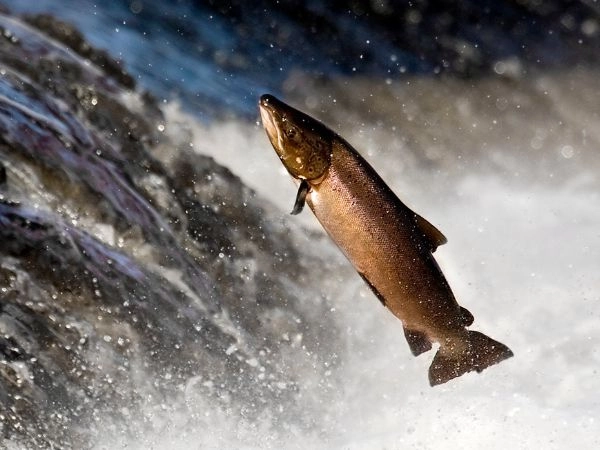
- East Rangá is the most immediately “premium” in perception: great name, good accessibility, eight sectors, very comfortable lodge, strong numbers, and a solid reputation.
- West Rangá reassures those seeking stability, a longer season, and a very structured system, with a rhythm of continuity.
- Leirvogsá is the choice for selectivity, proximity to Reykjavík, fewer rods, sea trout, and a more refined and personal fishing experience.
The type of trip also changes. For a full lodge experience with controlled social interaction, services, and iconic river prestige, East Rangá stands out. For a longer, well-paced week with more calendar flexibility until October, West Rangá gains ground. For a nearly private, more technical experience, close to Reykjavík, with the possibility of targeting both salmon and sea trout, Leirvogsá becomes extremely appealing.
Choosing Based on Angler Profile
- First-time Icelandic anglers: East Rangá is often the most intuitive choice, thanks to accessibility, lodge structure, and clear organization.
- Anglers with some experience: West Rangá can be more convincing for a well-structured week, longer season, and stable river conditions.
- Anglers seeking a refined, intimate experience: Leirvogsá is perfect for small rivers, precision, close guide interaction, and a more compact week. It’s also interesting for those who want both salmon and sea trout.
Time Factor: How Long to Stay
The ideal trip length varies by river. Montefeltro recommends 4–6 days for East and West Rangá, and 3–5 days for Leirvogsá. This reflects the character of the three experiences: the Rangá rivers reward more time in the water and sector rotation, while Leirvogsá works well in a shorter, precise formula.
Having extra days isn’t just about fishing more—it increases your chances of being on the river at the right moment. Trip planning should therefore consider the number of days realistically available.
Which River to Choose?
- East Rangá: The classic Icelandic river with a strong name, impressive lodge, accessibility, and balance between productivity and comfort.
- West Rangá: More stable, longer season, reliable, and structured.
- Leirvogsá: More intimate, technical, very convenient from Reykjavík, with the added appeal of sea trout.
The truth is, the comparison doesn’t end with a podium. It ends with a smarter question: what kind of Iceland do you want to experience? Once you answer this, the right river almost chooses itself.