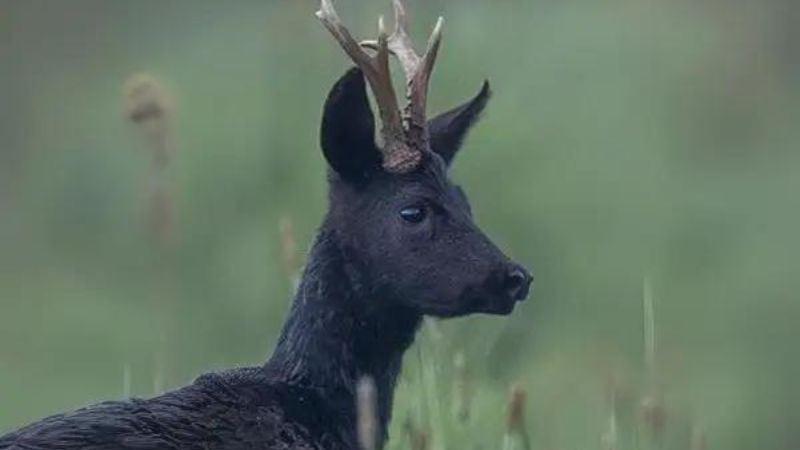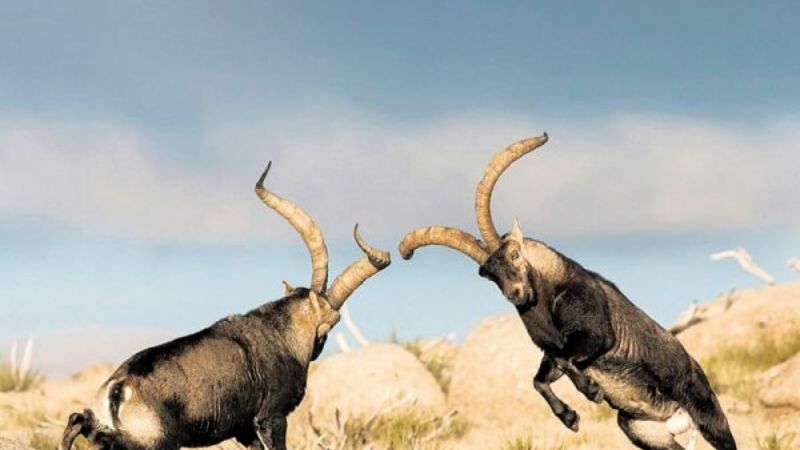

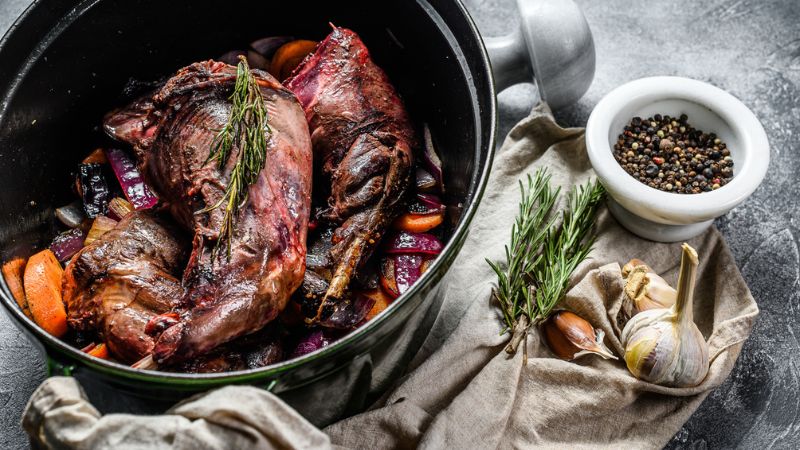
When we talk about wild meat in cooking, we are not simply talking about an ingredient. We enter a world made of silent forests, seasons that dictate the rhythm, ancient gestures, and rituals that long precede the act of cooking.
Wild meat is not just any meat: it is meat that tells a story of freedom, movement, and territory. It speaks of a life lived outdoors, without fences, without constraints.
For this reason, cooking wild meat is always something more than a recipe.
It is an act of responsibility, a gesture that requires knowledge, respect, and awareness. It is a ritual that begins before the kitchen, long before the cutting board and the knife, and finds its fulfillment only when the dish reaches the table—balanced, fragrant, sincere.
I speak as a chef, but also as a hunter who understands the value of raw ingredients. And in the case of wild meat, the raw material is already alive in itself—it does not need to be masked, but understood.
Post-harvest handling: where the dish truly begins
One of the most overlooked yet decisive aspects of wild meat cooking concerns how the meat is treated immediately after the kill. This is where the final quality of the dish is often determined, sometimes irreversibly.
Anyone who cooks wild meat—and even more so those who cook their own—must understand one fundamental thing: cooking begins in the forest, not at the stove.
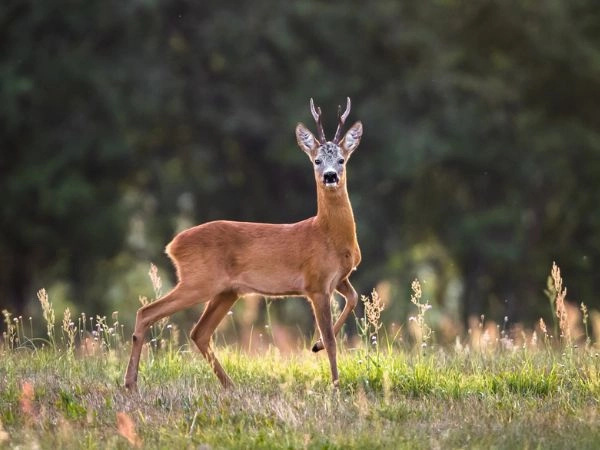
Proper, timely, and complete bleeding is the first act of respect toward the animal. If blood is not drained, it coagulates within the muscle fibers, leaving that metallic, iron-like, slightly bitter taste that many mistakenly identify as the “gamey” flavor.
This is followed by evisceration, which must be done quickly and with absolute attention to hygiene. A punctured intestine, contamination, or careless handling will irreparably compromise the meat. No marinade, spice, or chef’s technique will fix it.
Leaving animals exposed for hours—perhaps out of pride or display—is not only ethically questionable but also a serious gastronomic mistake. Those who truly respect wild meat cooking know that respect for the animal continues even after the shot.
Aging: time as an invisible ingredient
After proper initial handling, another crucial factor comes into play: aging. More than other meats, wild meat benefits from a controlled maturation period that allows natural enzymes to tenderize the fibers and develop complex aromas.
The duration of aging depends on:
- Species
- Age of the animal
- Cut
- Environmental conditions
A young roe deer may require only a few days. An adult deer may need two to three weeks if properly stored in a refrigerated, ventilated, and clean environment.
Aging is not meant to “mask” the flavor, but to make it readable, harmonious, and elegant.
The best cuts of wild meat: each animal has its own path
Each wild species has a distinct personality, and every part of the animal tells a different story. Knowing the best cuts of wild meat is the first step in choosing the right cooking technique and avoiding irreversible mistakes.
Noble cuts
Loin and fillet are ideal for:
- Short cooking times
- Quick searing
- Sous-vide cooking at low temperature
Here, precision is key. High heat, short time, and proper resting. The inside should remain pink, juicy, never dry.
Working cuts
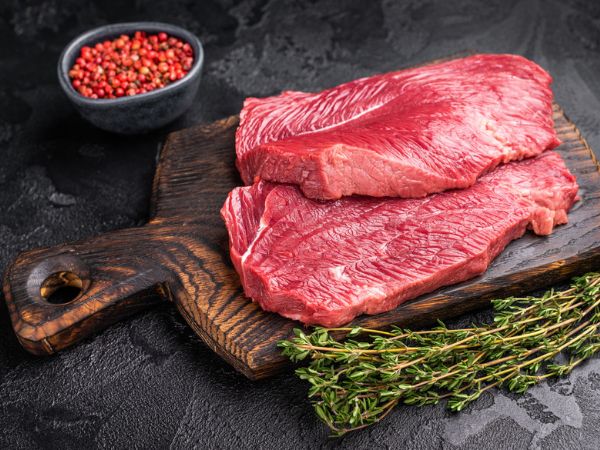
Legs and shoulders are rich in connective tissue and collagen. They require time, patience, and respect:
- Braising
- Stewing
- Slow cooking in casseroles
- Long sous-vide cooking
The reward is meat that melts in the mouth—deep, rich, and enveloping.
Offal
Heart, liver, kidneys, tongue: often overlooked, yet they represent the most authentic soul of wild meat cooking. They must be handled decisively:
- Impeccable cleaning
- Quick cooking
- Essential aromatics
Good butter, herbs, a splash of spirits or oxidative wine: minimal, but precise.
Marinating wild meat: technique, not an excuse
Marinating is one of the most important steps in preparing wild meat, yet also one of the most misunderstood. Marinating is not meant to “hide” flaws, but to complete properly handled meat.
A well-designed marinade:
- Tenderizes the fibers
- Harmonizes aromas
- Prepares the meat for cooking
Timing varies:
- 12–24 hours for fillets and young meats
- 24–48 hours for tougher cuts
A balanced classic marinade may include:
- Non-tannic red wine or amber beer
- Juniper berries
- Bay leaves
- Citrus peels
- Black pepper
- Very little garlic
Essential: dry the meat thoroughly before cooking. Moisture prevents the Maillard reaction, compromising crust, aroma, and texture, and risking a “boiled” effect.
The “gamey” flavor: a myth to debunk
There is still a common belief that wild meat always tastes “gamey.” This is an oversimplification.
Excessively strong flavor is almost always the result of:
- Poor bleeding
- Delayed evisceration
- Incorrect aging
- Wrong cooking technique
An older animal will naturally have a more intense aromatic profile than a young one, but intensity does not mean unpleasantness. If treated correctly, even mature deer meat can be elegant, deep, complex, and never aggressive.
Each type of wild meat has its own character
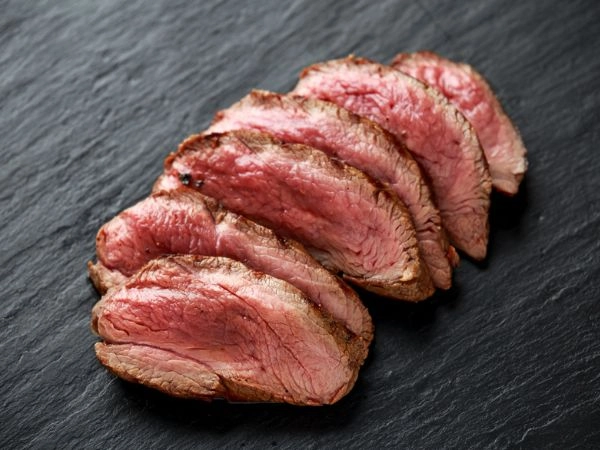
Red deer
Intense, wine-like, deep. Requires respect, longer marinades, and slow cooking.
Wild boar
Dense, rustic, intense meat. It loves time, red wine, and warm spices. Perfect for:
- Braises
- Ragù
- Salmì
Roe deer
Sweet, refined, delicate. Very easy to pair. Ideal for:
- Roasts
- Pan-seared loins
- Butter and herbs
Pheasant
Noble but delicate. Prone to dryness. Needs protection with:
- Butter
- Pancetta
- Gentle cooking
Fallow deer
Often overlooked, yet perhaps the most elegant. Refined, balanced meat, perfect for:
- Crusted roasts
- Seared fillets
- Stews with chestnuts and mushrooms
In Northern Europe, it is often considered the “entry-level” wild meat.
Mouflon and chamois
True mountain meats. Dense, aromatic, almost musky. Not for everyone. They require technique and experienced palates.
Cooking wild meat: timing is everything
Wild meat does not forgive haste. Every mistake is noticeable.
- Fillets and loins: high heat, short time
- Legs and shoulders: slow cooking, low temperature
- Sous-vide: maximum control
- Feathered game: noble fats and careful handling
The best recipes are those that do not cover, but accompany:
deer with juniper, roe deer with butter and sage, wild boar in red wine, pheasant with apples and thyme, woodcock grilled over embers.
The recipe: Gourmet wild meat pâté
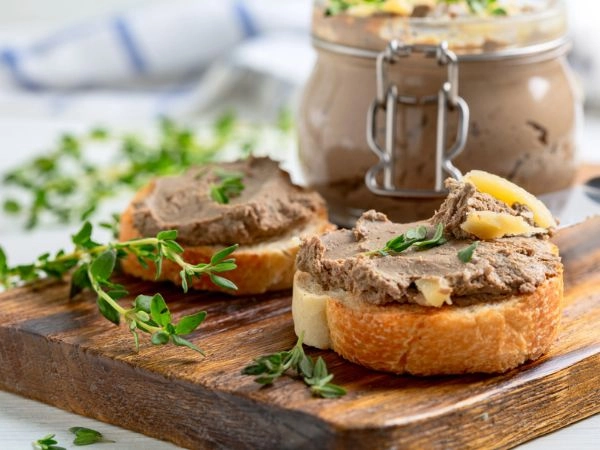
Elegance, depth, and the memory of the forest
A great wild meat pâté should never be aggressive. It must be deep, silky, enveloping, capable of telling the story of the forest without shouting it. The secret is not to mask the flavor of the meat, but to tame it, smooth it through technique, noble fats, and proper timing.
This recipe is designed to highlight roe deer, fallow deer, or young red deer. Wild boar can be used, but only if very well handled and with a higher fat content.
Ingredients (for 8–10 servings)
Protein base
- 600 g wild meat (roe deer or fallow deer ideal)
- 200 g game liver (or high-quality chicken liver, more delicate)
- 150 g fresh pancetta or sweet lard, not smoked
Aromatics and structure
- 1 small golden onion
- 1 shallot
- 1 garlic clove (unpeeled)
- 2 bay leaves
- 4–5 lightly crushed juniper berries
- 1 sprig of thyme
- 1 sprig of rosemary
Liquids
- 80 ml dry Marsala or tawny Port
- 60 ml Cognac or Armagnac
- 50 ml soft red wine (Sangiovese or Pinot Noir)
Fats and binders
- 120 g clarified butter
- 1 whole egg
- 1 egg yolk
Spices (used with restraint)
- Fine salt to taste
- Freshly ground black pepper
- A pinch of nutmeg
- A pinch of allspice (optional)
Marinade (essential)
Cut the wild meat into large cubes and marinate for 12–24 hours in the refrigerator with:
- Red wine
- Juniper
- Bay leaf
- Thyme
- Rosemary
- Garlic
Do not overdo the aromatics: the marinade should enhance, not dominate.
Drain the meat, dry it thoroughly, and strain the marinade for later use.
Preparation
Controlled browning
In a large saucepan, melt half of the clarified butter.
Add finely chopped onion and shallot and let them sweat gently without browning.
Add diced pancetta and let it slowly render.
Add the wild meat and liver, slightly increase the heat, and sear quickly just enough to trigger the Maillard reaction.
Deglaze with:
- Cognac (flambé if desired)
- Marsala
- Strained marinade
Let it reduce until you obtain a dense, fragrant base. Adjust salt and spices. Turn off the heat and let it cool completely.
Emulsification and smoothness
Remove bay leaves and coarse aromatics. Transfer everything to a food processor.
Add:
- The remaining cold clarified butter
- The whole egg and yolk
Blend thoroughly until smooth, glossy, and velvety. If needed, pass through a fine sieve for a true gourmet finish.
Taste: it should be balanced, rounded, never aggressive.
Gentle cooking
Pour the mixture into:
- A ceramic terrine
- Or pâté molds lined with parchment paper
Cook in a bain-marie in a static oven at 150°C (300°F) for 45–55 minutes, until the core reaches about 68–70°C (154–158°F).
Remove and let cool slowly at room temperature.
Maturation (true luxury)
Cover the pâté with:
- A layer of melted clarified butter
- Or a light Port jelly
Refrigerate for 48–72 hours before serving.
Pâté improves with time—it is a preparation that embraces waiting.
Fine dining presentation
Serve the pâté at 12–14°C (54–57°F) with toasted rustic bread, brioche, or dark bread, accompanied by:
- Redcurrant or blueberry jam
- Red wine gel
- Mild whole-grain mustard
Finish with:
- Flaky salt
- Freshly ground long pepper
- A few thyme leaves
Wine pairing
- Structured Pinot Noir
- Sangiovese Riserva
- Young Nebbiolo
Alternatively: Amontillado Sherry or dry Port.
Chef’s note
A great wild meat pâté should never become tiring. The secret lies in the right fat balance, a short marinade, gentle cooking, and proper resting.
It is a recipe that speaks of respect, technique, and silence—just like wild meat itself.
Cooking wild meat is an act of continuity
Cooking wild meat is an art that begins in the forest, passes through the hands of those who know how to handle meat, and is completed over a slow fire. It is a cuisine that allows no shortcuts, yet rewards with depth.
Those who love hunting and cooking know that respect for the animal never ends. It continues in how it is handled, cooked, and told.
And that is what distinguishes an ordinary dish from a true experience.