
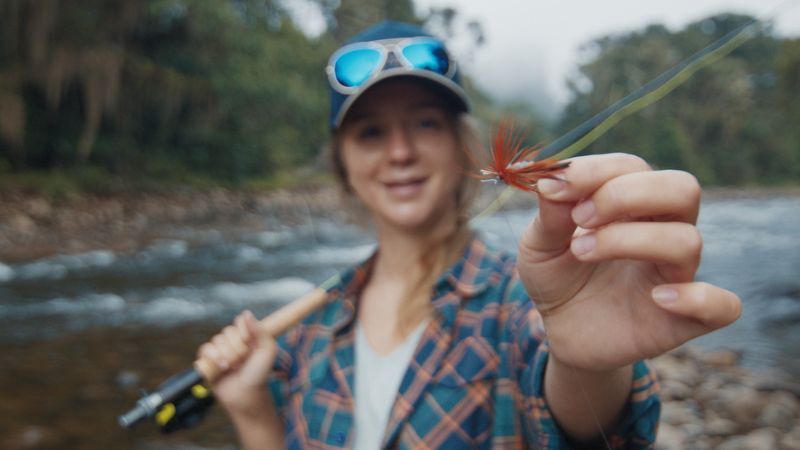
Fly fishing in Iceland requires more careful preparation than many other European destinations. There is no single nationwide license covering all rivers: fishing rights are managed on a per-water basis, with controlled access and a limited number of rods. In addition, any equipment used abroad must be disinfected before entering or being used in the country. A certificate issued by an authorized veterinarian is accepted by customs authorities; if it is not available, disinfection is carried out in Iceland. To approach the trip properly, you need three things: suitable gear for the specific river, knowledge of the rules of the chosen stretch, and well-organized logistics for sterilizing your equipment.
Fly Fishing in Iceland: Gear, Rules, and Sterilization
Iceland holds a special appeal for fly fishing enthusiasts. Not only because of the beauty of its rivers or the allure of Atlantic salmon, Arctic char, and trout, but because fishing here still retains a structured, disciplined, and quality-focused dimension.
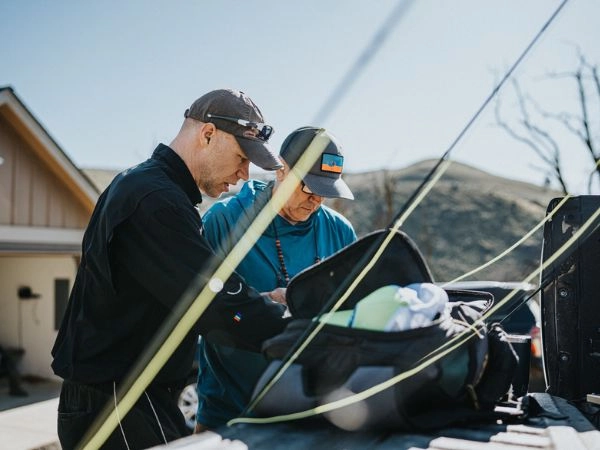
However, anyone planning a fly fishing trip to Iceland should understand one simple thing: having a good rod and a few fly boxes is not enough. Preparation must be more precise, as the Icelandic system is built on regulated access, privately managed fishing rights, and strict sanitary rules regarding equipment.
This combination—carefully managed waters, clear regulations, and mandatory sterilization of gear used abroad—is what makes fly fishing in Iceland so different from other destinations. At first glance, it may seem complex; in reality, once the key steps are understood, it becomes much more straightforward. More importantly, it explains why many Icelandic rivers still maintain exceptionally high standards.
Fly Fishing Gear in Iceland: What to Actually Bring
The first point to clarify is that there is no single setup that works everywhere in Iceland. Rivers differ in size, species, season, and even daily rhythm. That said, there is a core set of gear that almost always makes sense: reliable waders, sturdy wading boots, layered technical clothing, a high-quality waterproof jacket, polarized sunglasses, and a well-thought-out selection of flies.
Specialists working in Iceland consistently emphasize that gear should be chosen for practicality and climate, not aesthetics—wind, rain, and rapidly changing weather are part of the experience.
In practice, it helps to think in terms of three scenarios. If the trip is focused on Atlantic salmon, many rivers favor or require setups suited for larger systems, often including two-handed rods or more structured configurations. If the target is trout or Arctic char in smaller rivers or lakes, a lighter setup is more appropriate. The key is not to bring “a bit of everything,” but to match your equipment to the specific water you have booked. The most common mistake in Iceland is arriving with gear that is too generic.
From a practical perspective, redundancy also matters. A spare reel, extra tips, pre-tied leaders, light gloves, dry base layers, and a well-organized bag can make a real difference. On an expensive and logistically sensitive trip, wasting time on small oversights is avoidable. That’s why many Icelandic lodges and travel specialists recommend a simple approach: less clutter, more efficiency.
How Licensing Really Works in Iceland
One of the most confusing aspects for foreign anglers is the licensing system. The short answer is simple: there is no single national license for freshwater fishing. In Iceland, fishing rights are managed per river or lake, and access must be purchased for each specific water, often with a strictly limited number of rods. This applies to salmon, trout, sea trout, and Arctic char.
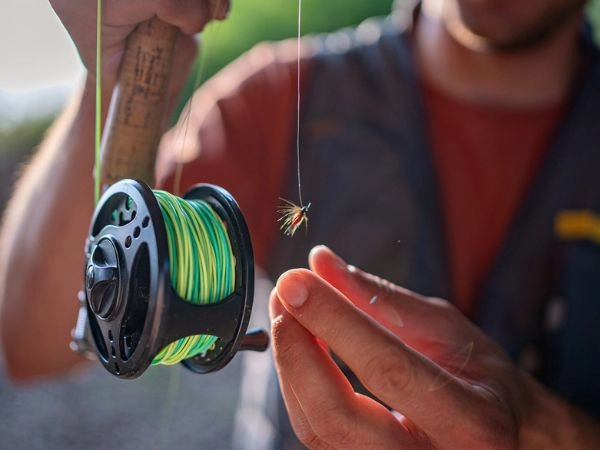
While this system may seem less convenient than in other countries, it has a major advantage: it keeps fishing pressure low and ensures better management of each stretch. When you book a day or a stay on an Icelandic river, you are not buying a generic license—you are securing access to that specific water, under its rules, with a defined number of rods and often a structured rotation of beats.
There are also lighter options for some lakes, such as the Fishing Card (Veiðikortið), but these should not be confused with the system used for major salmon rivers. For anyone seeking a true fly fishing experience in Iceland, the key principle is simple: each water has its own logic, availability, and conditions.
Fishing Rules: They Are Not the Same Everywhere
Another common misconception is that Iceland has a uniform set of fishing rules. In reality, regulations vary from one river or lake to another. Allowed equipment, catch-and-release policies, harvest limits, and even permitted techniques can differ depending on the specific water. Many salmon rivers enforce fly-only fishing and mandatory or strongly encouraged catch and release, while some lakes may have more flexible rules.
For this reason, the correct way to prepare is not to look for “general fishing rules in Iceland,” but to check the regulations of the exact stretch you have booked. This is the most practical and important approach. In fact, it may be the single most valuable piece of advice in this guide: in Iceland, you don’t just study the country—you study the water you will fish.
There is also a cultural dimension. Recreational fishing in Iceland is closely tied to resource conservation. This translates into discipline, respect for the rhythm of the river, controlled access, and careful attention to environmental impact. Once you understand this mindset, the rules no longer feel restrictive—they become part of what makes the experience meaningful.
Equipment Sterilization: What You Must Do Before Traveling
There is no ambiguity here: fishing gear used abroad must be disinfected. Official Icelandic customs regulations state that fishing equipment, clothing, and related items used outside Iceland can only be brought into the country if they have been properly disinfected. A certificate issued by an authorized veterinarian is accepted at customs. If no certificate is presented, the equipment will be disinfected in Iceland.
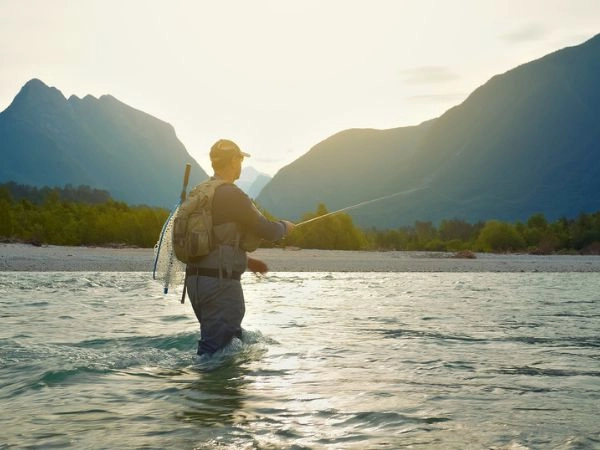
This applies to waders, boots, nets, sling packs, technical jackets, and essentially anything that may have come into contact with foreign waters. The reasoning behind this rule is clear: preventing the introduction of pathogens or contamination into Iceland’s freshwater ecosystems. It is a strict measure, but entirely consistent with the country’s high level of environmental protection.
From a practical standpoint, the safest option is to arrive with a valid disinfection certificate. Some local operators also offer disinfection services upon arrival at Keflavík Airport or directly at lodges, often for a fee. However, the best approach is not to rely on last-minute solutions. Proper preparation reduces stress, saves time, and avoids complications during customs checks.
What Should Actually Be Sterilized
In practical terms, it’s best to take a comprehensive approach. Not just rods and reels, but especially anything that comes into contact with water: waders, boots, landing nets, vests or packs, waterproof jackets used while fishing, and technical accessories. These are precisely the items highlighted by Icelandic operators and official customs guidelines.
Many anglers underestimate this step because they focus on the “core” equipment—rod, line, reel—while overlooking the rest. In reality, it is the items most exposed to water and mud that require the greatest attention. Proper preparation in this case is not just about compliance; it is part of the ethics of the trip.
Common Mistakes to Avoid Before a Fly Fishing Trip to Iceland
The first mistake is assuming Iceland is a “plug and play” destination. It is not. It is an extraordinary place, but it requires method. The second mistake is misunderstanding the licensing system: there is no universal permit—you must book access to a specific stretch. The third mistake is underestimating sterilization: arriving without a certificate, with damp gear, or with unclear preparation can create unnecessary complications.
A more subtle mistake is choosing gear without starting from the river. In Iceland, the correct process is always the reverse: first the water, then the rules, then the equipment. This is what separates a well-organized trip from one that is merely improvised.
Fly fishing in Iceland is one of the most rewarding experiences a European angler can have, but it deserves careful planning. Gear must match the chosen water, rules must be verified for each specific stretch, and sterilization of equipment used abroad is not a bureaucratic detail—it is an essential part of the journey. When these three elements are handled properly, Iceland stops feeling like a complicated destination and reveals itself for what it truly is: a serious, well-managed, and deeply rewarding fishing country.