In contemporary ecosystems, profoundly modified by human activity, the natural dynamics between predators and prey are often altered. In many European areas, the disappearance of large predators has created an ecological gap that directly affects the growth of wildlife populations.
In this context, the hunter assumes a role that is no longer linked solely to traditional hunting activities but becomes an integral part of modern wildlife management.
Wildlife management today is based on a fundamental principle: maintaining a sustainable ecological balance by preventing both excessive population decline and uncontrolled population growth.
Understanding the Role of the Hunter
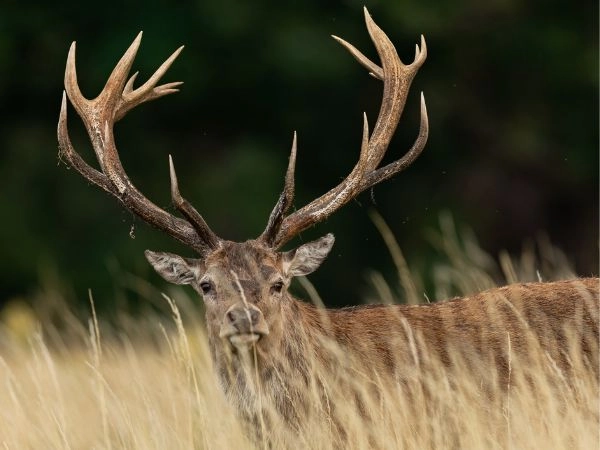
The need for active wildlife management derives from several environmental and human-related factors.
Overpopulation and Ecological Imbalances
In the absence of natural predators, some species tend to grow beyond the carrying capacity of the environment.
When an animal population grows beyond the territory’s ability to support it, the natural balance can become fragile. Forests experience increasing pressure, vegetation struggles to regenerate, and some plant species tend to disappear.
Greater competition for food and space also affects other wildlife species, while agricultural areas face increasing damage to crops and harvests. It is a complex situation that requires constant monitoring and interventions based on scientific data.
Unregulated populations can significantly alter ecosystem balances.
Spread of Diseases
A high density of individuals facilitates the circulation of pathogens. Among the most relevant effects are:
- Increased transmission of infectious diseases
- Higher natural mortality rates
- Risk of zoonotic diseases
Management therefore also becomes a wildlife health measure.
Damage to Human Activities
In rural areas and regions close to urban centers, excessive wildlife populations can have concrete consequences on daily life. Crops may be damaged, harvests compromised, and frequent road crossings increase the risk of traffic accidents. In some cases, livestock farming may also suffer losses or stressful situations due to the growing pressure exerted by wildlife on the territory.
Management serves to reduce these impacts while maintaining a balanced coexistence between humans and nature.
How a Harvest Plan Is Defined
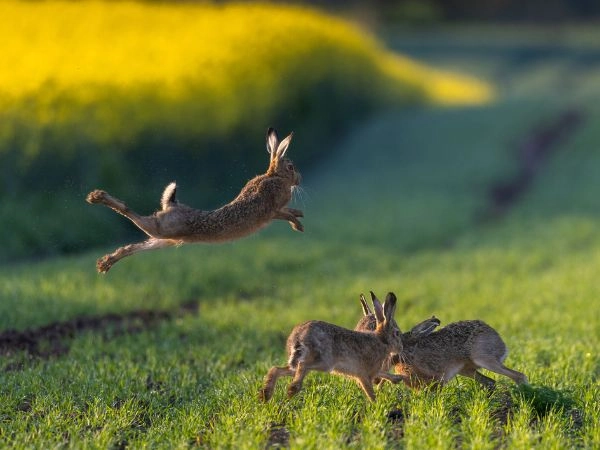
The core of wildlife management is the harvest plan, a technical and scientific tool that establishes the number of animals that can be removed from a population without compromising its stability.
Biological Data and Monitoring
The definition of management plans is based on:
- Wildlife censuses
- Density analysis per square kilometer
- Study of population structure (sex and age)
- Reproductive trends
These data make it possible to understand the actual status of wildlife populations.
The Role of Scientific Institutions
In Italy, organizations such as the ISPRA (Italian Institute for Environmental Protection and Research) provide essential technical guidelines.
The planning process is not limited to determining how many animals may be harvested. It begins with a careful assessment of the territory’s characteristics, the populations present, and their dynamics. Based on this information, sustainable harvest limits are established and calibrated to maintain species balance. The results are then monitored over time to verify the effectiveness of the measures adopted and to make any necessary adjustments.
The plan is therefore not arbitrary but founded on scientific criteria.
Decision-Making and Implementation
Regional authorities and territorial bodies:
- Approve management plans
- Establish intervention periods
- Define operational procedures
The system is structured to ensure rigorous and transparent oversight.
The Hunter as a Wildlife Management Operator
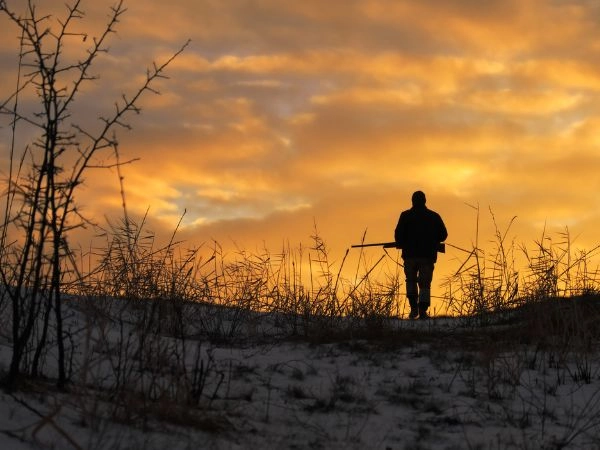
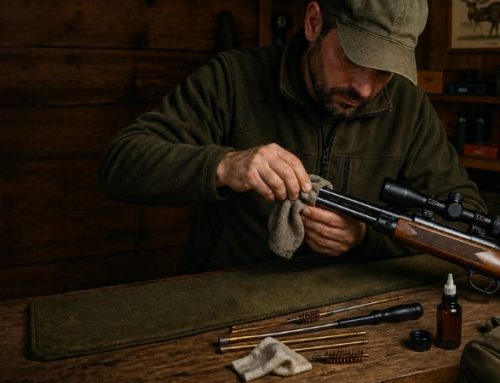
The modern hunter is not simply a user of wildlife resources but an active operator within the management system.
A Technical Role, Not a Substitute
It is important to clarify that the hunter:
- Does not replace natural predators
- Does not act independently
- Operates exclusively within regulated management plans
The hunter’s role is to contribute to maintaining the balances established through scientific management.
Collection of Field Data
During hunting activities, hunters indirectly contribute to:
- Species observation
- Reporting health anomalies
- Population monitoring
These data can be integrated into wildlife management systems.
Population Density Control
One of the main objectives is to maintain optimal population densities for species such as:
- Wild Boar
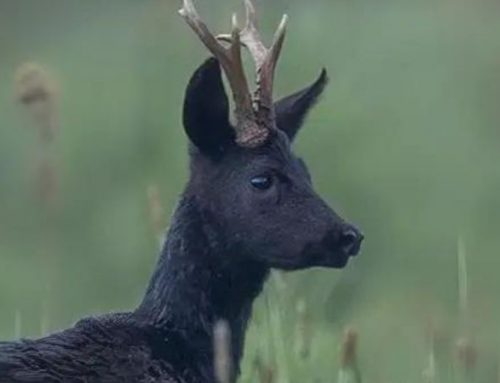
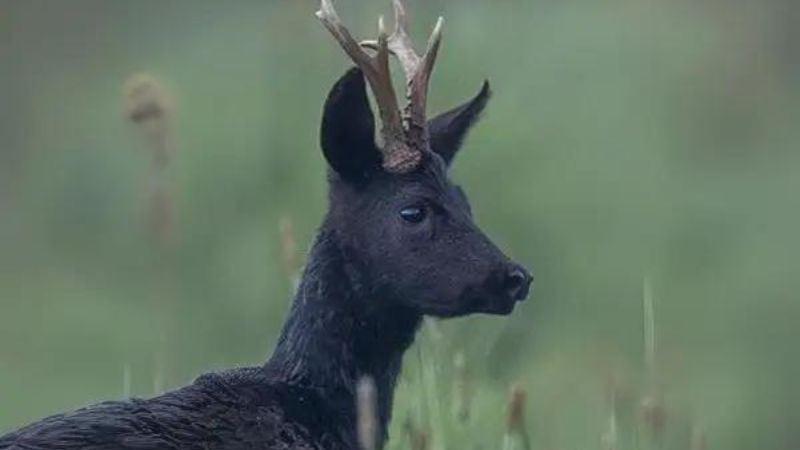
- Roe Deer
- Red Deer
This helps prevent ecological imbalances and reduce conflicts between wildlife and humans.
Practical Case: Management of Wild Boar and Roe Deer
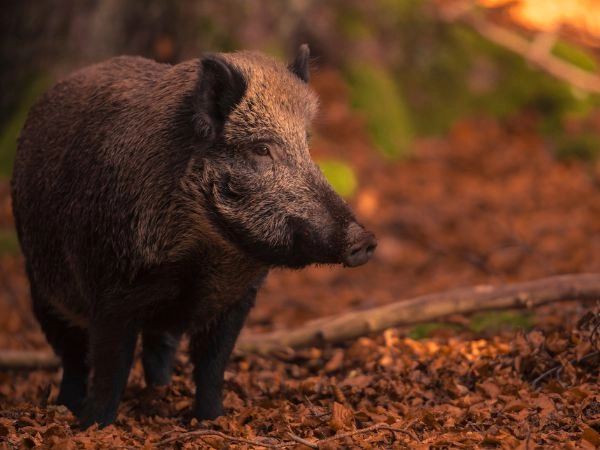
Wild Boar: A Species in Strong Expansion
The wild boar represents one of the most evident cases of wildlife imbalance in Europe.
The rapid spread of wild boar is linked to a combination of favorable factors. The species has a high reproductive capacity, adapts easily to a wide variety of environments, and in many areas encounters no natural predators capable of effectively limiting its growth.
When populations increase beyond certain levels, crop damage, a rise in wildlife-related road accidents, and progressive alterations of natural habitats may occur, with repercussions throughout the ecosystem.
Management through harvest plans is therefore essential for controlling the species.
Roe Deer: A Delicate Balance
The roe deer requires more refined and carefully calibrated management.
The main considerations include:
- Monitoring social structure
- Maintaining balance between males and females
- Paying attention to reproductive periods
Improper harvesting can affect population stability.
The Modern Management Framework
Contemporary wildlife management is based on three fundamental pillars:
Scientific Data
Every decision must be supported by biological evidence.
Institutional Oversight
Public authorities regulate and verify the implementation of management plans.
Field Operators
Trained and licensed hunters contribute to practical implementation on the ground.
This integrated system enables effective and sustainable management.
The Future of Wildlife Management
Wildlife management is not an abstract concept but a structured system that integrates science, institutions, and field operators.
Within this context, the hunter represents one of the operational tools of a broader model of controlled ecological balance, which is indispensable in contemporary ecosystems.