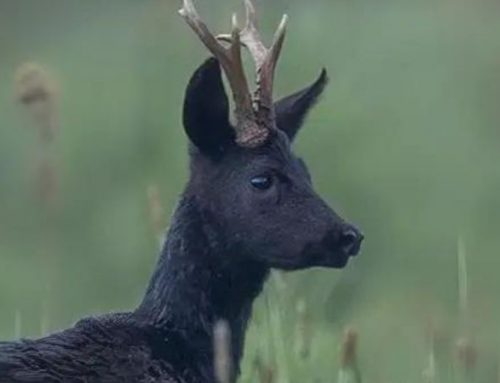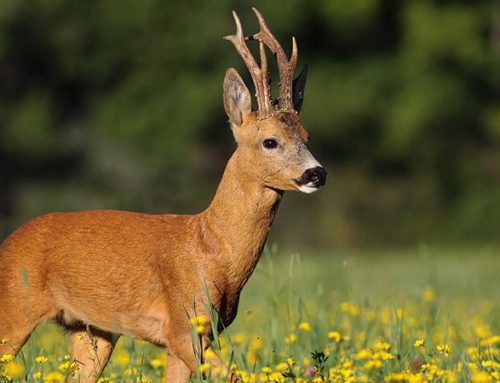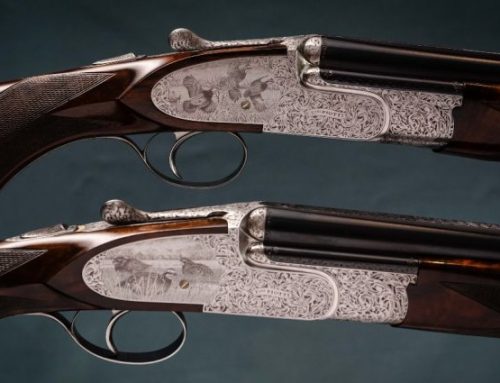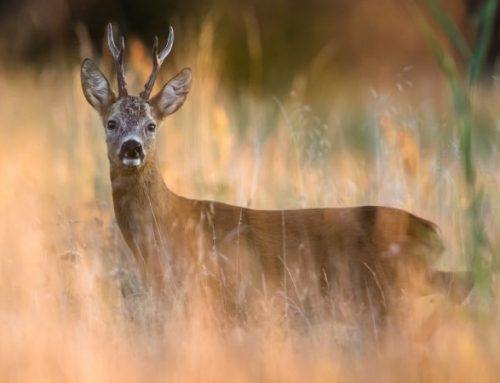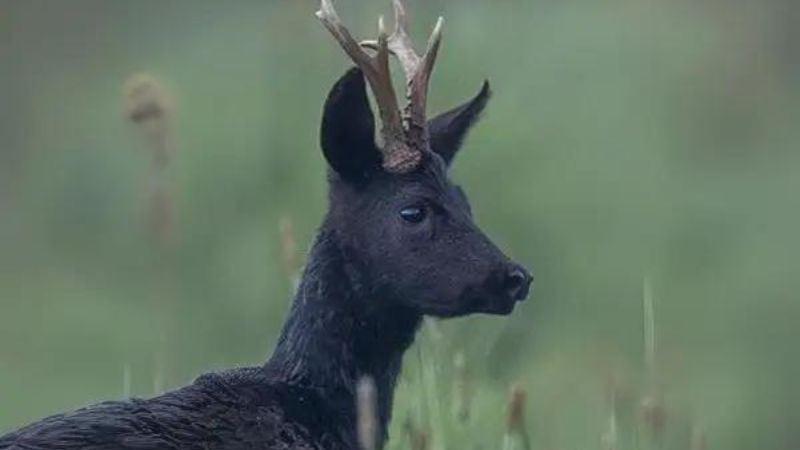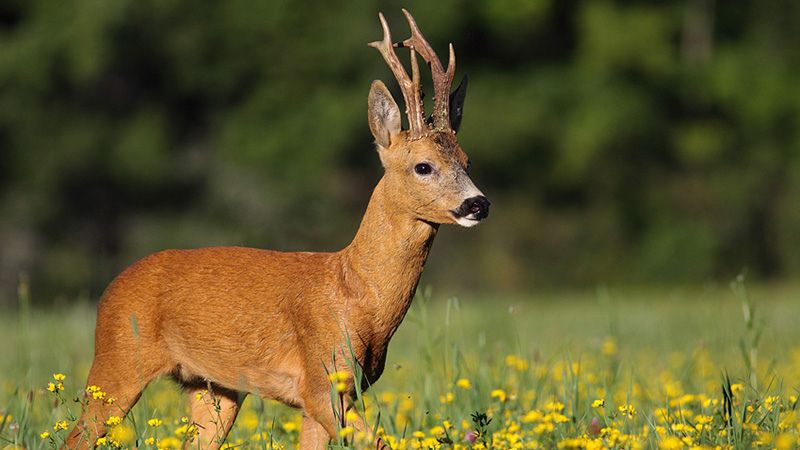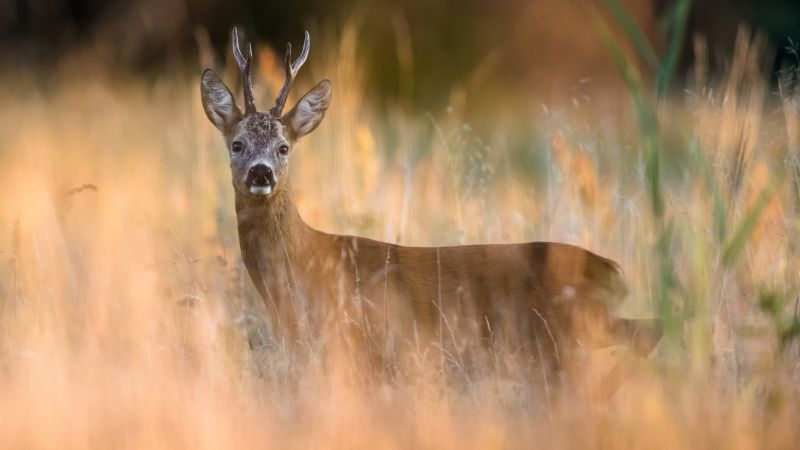

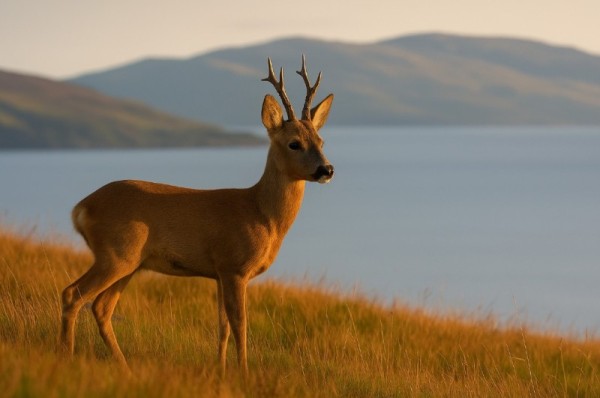
Roe deer stalking on the Isle of Bute is a guided, selective hunt across coastal hills and woodland. It’s typically practiced in spring and summer and peaks again during the late‑July to early‑August rut, with outings at first and last light. Hunters move slowly and quietly with a local gamekeeper, reading wind and terrain to close the distance. It suits hunters who prefer a patient, ethical approach to stalking.
There’s a moment, just before dawn, when the Isle of Bute seems suspended in time.
The hills turn a bluish grey that blurs the line between sky and sea, and the salty Atlantic air carries the echo of an ancient solitude. It’s here, among damp meadows and wind-swept valleys, that roe deer stalking becomes more than a discipline: it becomes a ritual, an intimate encounter between man and nature, guided by the slow breath of Scotland.
The secret island of western Scotland
Few truly know Bute. It’s a small fragment of land overlooking the Firth of Clyde, an hour and a half from Glasgow, linked to the mainland by a ferry that feels as though it crosses into another era. The island preserves an authentic, understated beauty, far from mass tourism: lush green fields, birch and oak woods, valleys crossed by crystal-clear streams, and above all, an extraordinary concentration of wildlife in the absence of predators.
The Scottish roe deer, less shy and more robust than its continental cousins, finds here an ideal habitat: rolling terrain, farmland, patches of fern and small plateaus alternating with sea-beaten cliffs. It’s an environment that commands respect and silence, where every step can reveal a presence—or betray your own.

The Stalk: a dance of slowness and instinct
For those who have never experienced roe deer stalking, it might seem like a simple walk. But it’s not. It’s a constant dialogue with the land, an exercise in observation and patience.
Every detail—the call of a crow, a broken blade of grass, a glimmer of light between the branches—becomes precious information.
You move slowly, at a measured pace, breathing softly, learning to read the ground like an ancient book.
With Montefeltro, stalking becomes a complete experience. At your side is our gamekeeper, Leighton Thomas, an expert guide who knows every path on the island like the back of his hand. Together you set off at first light, when the mist still lingers and the roe deer emerge to feed. There is no rush, no pressure—only focus, respect, and that quiet sense of gratitude that accompanies every encounter.
The landscape as a protagonist
Bute is not just hunting ground; it’s a stage where nature plays the leading role. The gentle hills descending toward the sea, the pine forests scented with resin, the moss-covered stone walls—every element tells the story of a Scotland that remains authentic and untouched.
During the stalk, silence is broken only by the wind or the distant cry of gulls. And when suddenly, among the heather-clad hills, the elegant outline of a roe deer appears, time stops. Your breath shortens, adrenaline rises. Yet the true release doesn’t come with the shot, but with the moment of connection—that fleeting gaze that unites two worlds, the human and the wild.
The value of tradition
In Scotland, hunting has never been just a pastime. It’s a deep part of rural culture, a tradition that connects generations. Roe deer stalking on the Isle of Bute preserves this ancient spirit: every outing is an act of balance between ethics and skill, where harvesting is never an end in itself but a gesture of stewardship, of respect for both the environment and the animal.
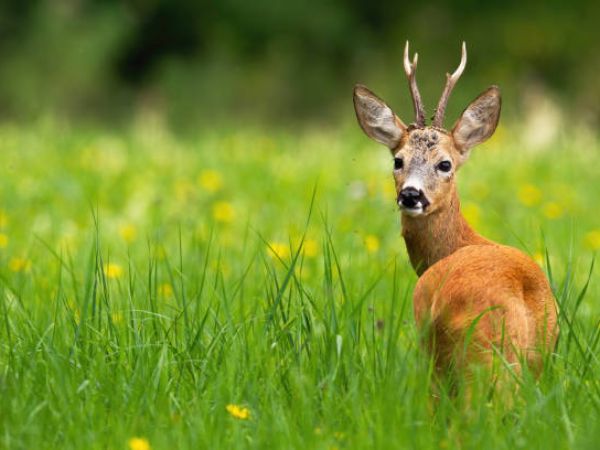
This is why Montefeltro carefully selects its gamekeepers and reserves: every harvest is targeted, regulated, and integrated into a broader framework of biodiversity conservation. The philosophy is clear—hunting must contribute to the health of the ecosystem, not disrupt it.
After the hunt: the time for stories
Returning to the lodge after such a day feels like coming back from an inner journey. Martin pours a peated whisky, the fire crackles in the hearth, and words flow slowly—like the rain outside the window. Stories of missed shots, sudden emotions, animals that slipped away at the last second. But also of life, friendship, and that deep feeling of belonging to nature.
The Battery Lodge is Montefeltro’s home on the Isle of Bute, a warm and welcoming refuge of wood and stone, with large windows overlooking the hills. Every detail is designed to welcome hunters after the field: authentic Scottish cuisine, soft beds, and the silence of an island that lets you sleep like you haven’t in years.

Luca’s Testimony: October on the Isle of Bute
“I had dreamed of Scotland in autumn for a long time — those copper-colored hills, the low sky, the smell of wet grass… But to actually live it, at the beginning of October, is another story entirely.
The Isle of Bute welcomed me with its silence and that restless wind that never stops moving, as if to remind you that here, you are only a guest. On the first morning, we set out before dawn, with Leighton, the gamekeeper, leading the way. He didn’t speak much — and he didn’t need to. Every gesture, every glance was enough to say what to do: when to stop, when to move forward, when to breathe.
Roe deer stalking has never been, for me, just a matter of marksmanship. It’s a way of stepping inside the landscape, of listening to it. Walking through the soaked ferns, feeling the drops slide off my cap, the rifle growing slightly heavier from the humidity… every sensation becomes part of the memory.


After almost two hours of stalking, we saw him.
He was there, in the half-light of the valley, surrounded by two hinds. The wind was shifting, the distance still long, but Leighton made a firm gesture — it was worth a try.
We moved low to the ground, literally crawling through the wet grass. Alexia, a few steps behind, watched everything, holding her breath. Then, at one point, the stag raised his head, breathed in the air, and — for a moment — looked straight at us.
Then he turned, showing his full profile. The shot came almost by itself. Clean, swift.
The roar faded among the trees, replaced by the whisper of the wind.
I don’t think I’ve ever felt anything quite like it — a mix of gratitude, respect, and disbelief.
Alexia approached slowly, took my hand, and said only, “It was beautiful… but also sad.”
She was right. True hunting is never just conquest; it’s emotion, restraint, silence.
The following days we dedicated to roe deer stalking, and there Scotland revealed its gentler side.
No tension, no roaring, only the breath of the sea and the rustle of tall grass.
The landscape changed color with every hour — from the deep green of morning to the pale gold of sunset.
The rhythm of the stalk was that of the land itself: slow, steady, respectful.
We saw several animals, but only one appeared in perfect balance with the wind and light — an elegant, curious buck, emerging almost by chance from the edge of the woods.
This time, the shot was soft, almost natural. No rush, just the awareness of a gesture done right.
And when the sun dipped behind the hills and Bute fell silent again, I thought how few experiences in life can so perfectly blend the strength of nature with the serenity of the soul.
That evening, by the fire, Alexia raised her glass of whisky and smiled:
“I never thought I’d understand hunting, but now I think I understand you.”
I think it was the most beautiful compliment I could have received.
How much does a roe deer stalking day cost on Bute?
Pricing is on request and varies by season, package length, guiding, lodge arrangements and selective management objectives. Montefeltro operates with exclusive hunting rights on the island and guided outings with a resident gamekeeper; quotes are provided after confirming dates and preferences.
What typically influences the quote
- Time window (spring/summer vs. rut) and number of outings (dawn/dusk).
- Inclusions such as lodge logistics and guided access to stalking grounds.
- Selective harvesting and local land access arranged through Montefeltro.
Do I need permits or local licenses?
Stalking is guided and compliant with local management on Bute. Montefeltro’s exclusive access and resident gamekeeper coordinate permissions and ground access; practical requirements and safety briefings are provided before the hunt. Guests follow seasonal and ethical guidelines set for the area and outing.
What Montefeltro handles
Land access and coordination with local game management.
Guided outings at first/last light with the Montefeltro resident gamekeeper.
Trip briefings and logistics aligned with the season.
What are the best months?
Prime windows are spring to early summer (excellent visibility and territory activity) and the rut in late July, early August, when behaviour becomes more daylight‑visible. Outings typically run at dawn and dusk to match movement patterns and light on the island’s hills and woodlands.
Quick pointers
Spring/early summer: classic stalking across moor, field edges and oak/beech woodland.
Rut (late Jul–early Aug): calling and responsive bucks in humid, storm‑before‑rain conditions.
Dawn/dusk focus for ethical, selective encounters.
What should I expect on the ground?
Expect slow, quiet approaches over coastal hills and woodland edges, reading wind and cover with the Montefeltro gamekeeper; conditions change quickly with Atlantic weather. Fitness should be moderate; days are structured around first and last light with rest and lodge time in between.
Logistics at a glance
Resident Montefeltro gamekeeper leads small parties and plans routes to suit wind/terrain.
Island access is by ferry from the mainland; details provided pre‑trip.
Lodge support (Battery Lodge) for meals, rest and briefings between outings.
Ethics, Respect and Conservation
Montefeltro promotes a modern approach to hunting: selective, responsible, deeply connected to the land and its people.
Partnerships with local landowners and island communities ensure that every activity creates value for those who live in and protect these places.
Hunting on Bute doesn’t mean “taking,” but “participating” in a greater balance — that of the Scottish landscape, where man does not dominate but collaborates.
Roe deer stalking on the Isle of Bute is not for those seeking easy trophies or quick thrills.
It is for those who love waiting, who can read the signs of the land, who wish to test themselves.
It’s a journey into slowness and awareness — an experience that stays within you, like the scent of peat or the sound of the wind moving through the meadows at dawn.
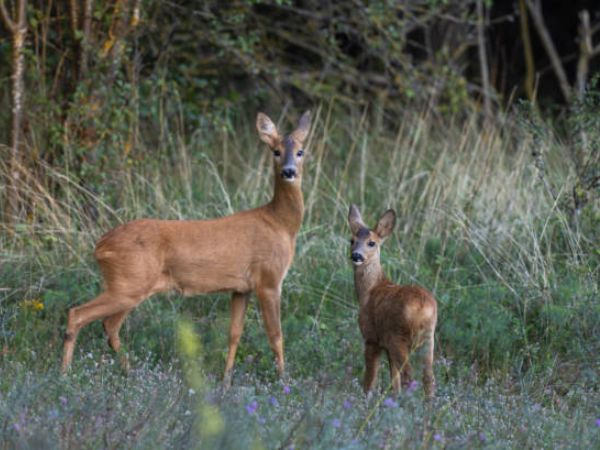
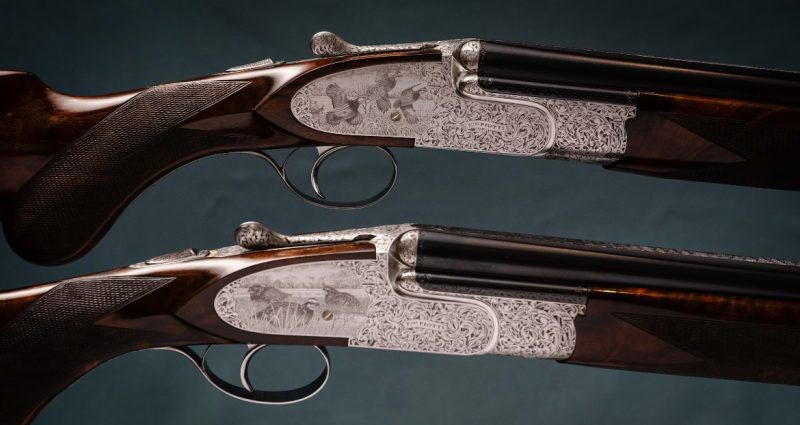
Montefeltro accompanies every hunter with professionalism, safety, and deep respect for nature. From planning the trip to obtaining permits, from firearm transport to renting the latest Benelli Lupo models, and selecting the perfect lodge — every detail is handled with the utmost care.
And when you leave the island, you take with you something that goes beyond the hunt: the memory of a place where time flows differently and nature welcomes you, as long as you know how to respect it.