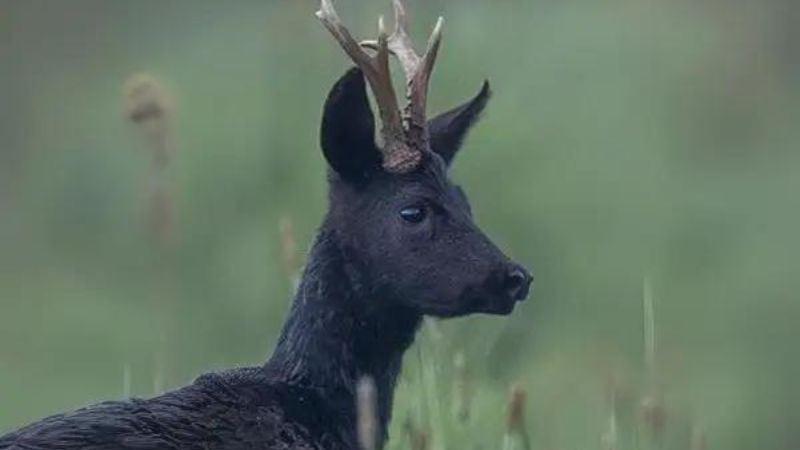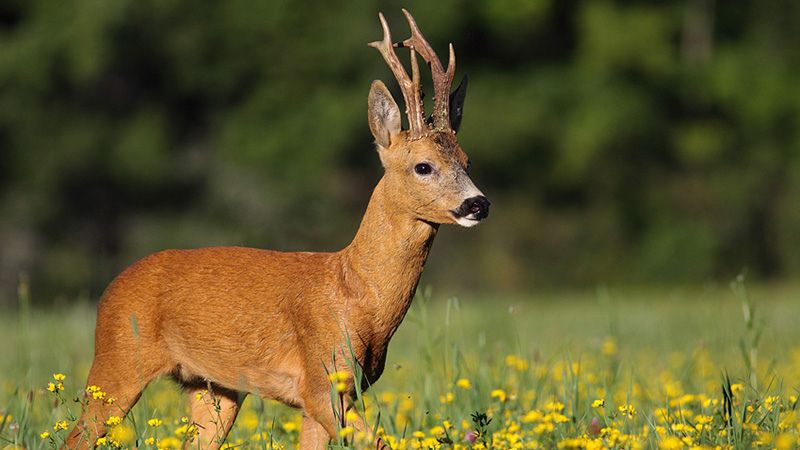

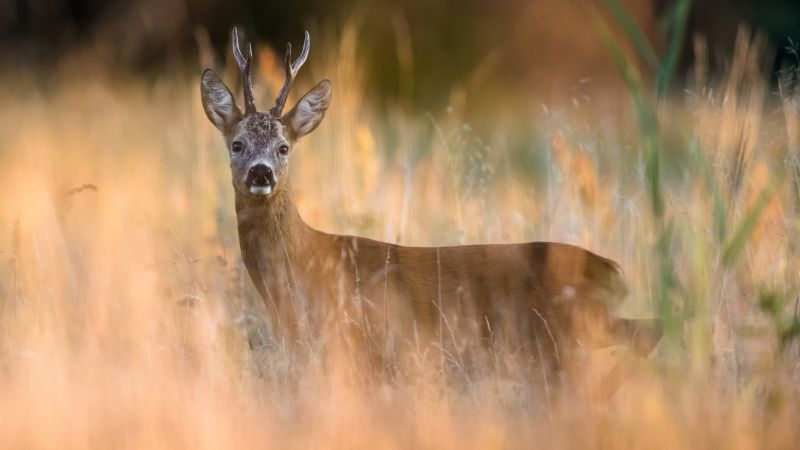
The roe deer, the elegant cervid also known as the “spirit of the woods,” has become one of the most sought-after game species among Italian hunters, second only to wild boar.
However, as with any form of hunting, respect for the rules is essential to ensure that this activity remains ethical and sustainable.
The Spirit of the Woods
The roe deer is a fascinating creature, now widespread throughout Italy. Over the past thirty years, its population has grown significantly, thanks to forest abandonment and the reduction of its natural predators, caused by the expansion of urban areas.
This small marvel of the wild has found refuge in the forests of the Apennines, the plains of the Po Valley, and even in the woods of the Alpine arc—territories that, in theory, would not be ideal for a selective browser like it.
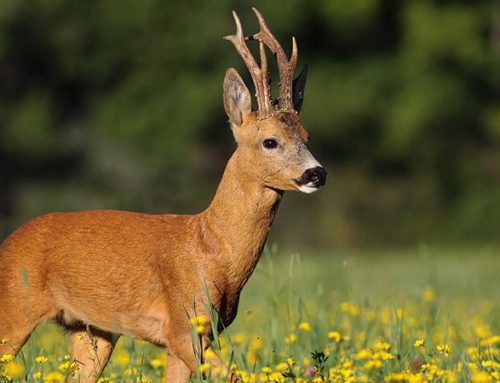
With its prized trophies and flavorful meat, the roe deer has become a highly desirable quarry for selective hunters across the country. But its behavior is what truly makes it special. It is the first to come out to graze at dusk, moving with discretion and caution.
As a selective browser, it avoids direct competition with larger deer such as red deer and fallow deer, seeking its nourishment with cunning and grace.
An Elusive Presence
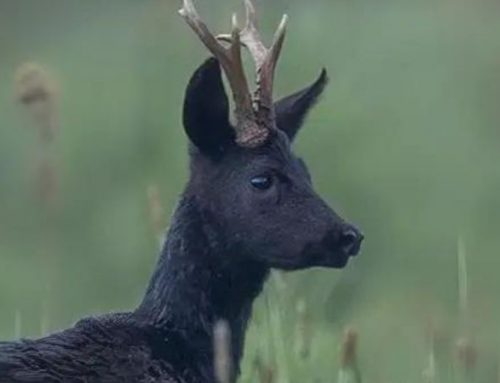
The nickname “spirit of the woods” is no coincidence. The roe deer is an elusive, almost magical animal that moves silently through the vegetation, appearing suddenly in places where, just a moment before, there was nothing.
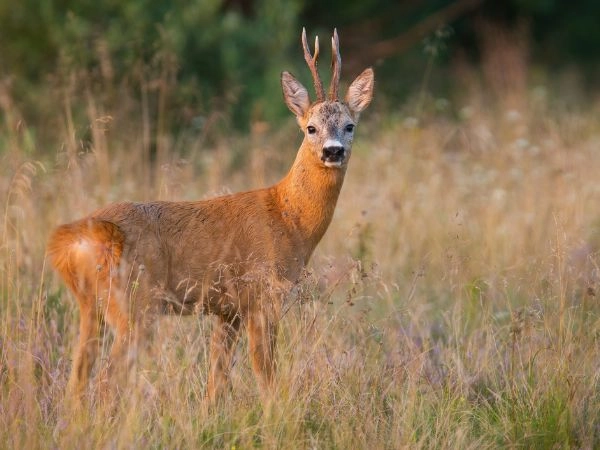
This mysterious nature makes it a fascinating challenge for hunters, especially during stand hunting from a high seat or blind. Every sighting is a precious moment—an encounter that requires patience, respect, and a deep love for nature.
Roe deer hunting is not just a sporting activity, but an experience that connects humans to the cycle of nature, inviting reflection on the balance between prey and hunter, and on the importance of preserving intact ecosystems. Because true ethical hunting is not just about rules, but about respect for life and for the mysteries of the forest.
The Art of Hunting the Roe Buck: A Tradition That Goes Beyond the Trophy
Hunting the roe buck is much more than a simple sport; it is a journey that begins long before picking up the rifle. Every wildlife manager knows that true hunting begins in spring, when censuses are carried out to count the animals present in the territory. This phase is crucial to develop a sustainable harvesting plan that respects the balance of the ecosystem.
But hunting is not just about numbers.
Once the right animal has been identified, the hunter follows it, studying its behavior and habits. The roe buck, with its territorial nature, becomes almost a companion along the journey, offering the hunter the opportunity to observe it over the years, until the moment comes when it is ready for harvesting. This allows younger males to take their place, thus promoting the renewal of the species.
Stand Hunting: An Art of Patience and Respect
Stand hunting is the preferred technique for roe deer, given its sedentary nature. However, stalking, with its adrenaline-filled intensity, offers a different but equally powerful experience. In both cases, the fundamental principle remains the same: accurate evaluation of the animal.
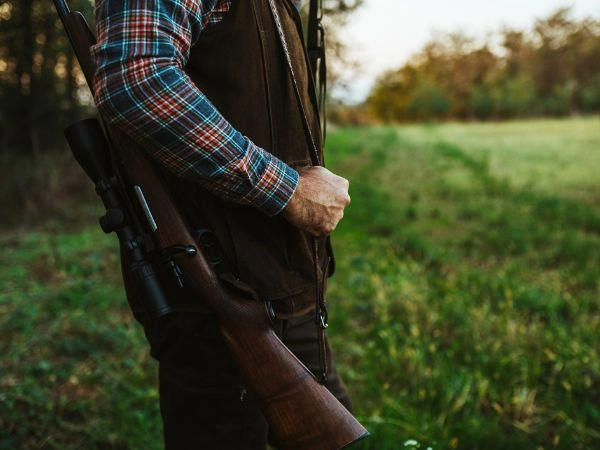
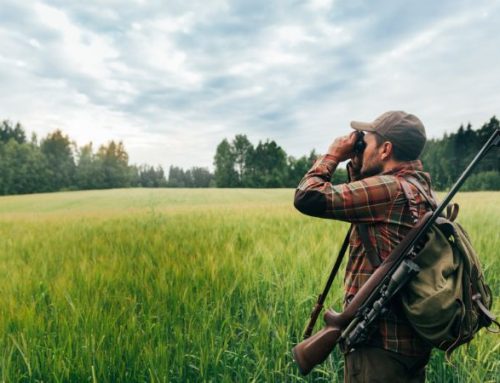
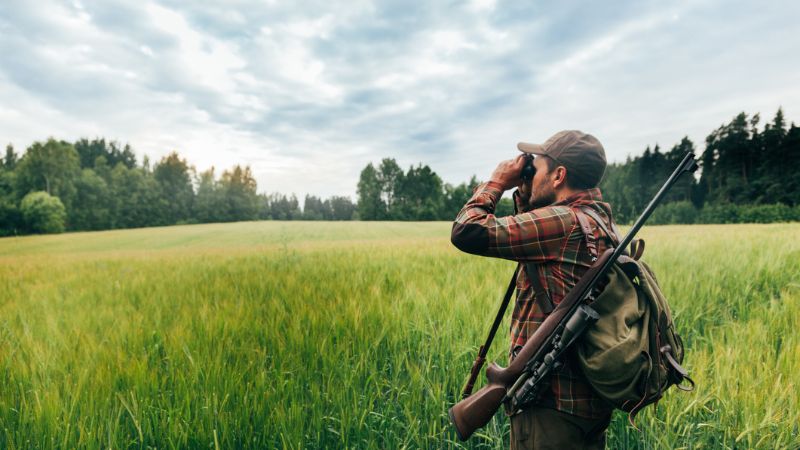
The hunter relies on a good pair of binoculars to assess the antlers and body structure, elements that reveal the animal’s sex, age, and class. The choice of the animal is never random, but follows criteria aimed at conservation and improvement of the species. It is a call back to natural balance, often disrupted by human impact.
The true hunter understands that their responsibility is to help restore this balance, focusing on animals with underdeveloped characteristics.
The Value of the Trophy: Between Memory and Magic
A good wildlife manager knows how to wait for the right moment, recognizing in a male the signs of reproductive decline. But the true ethical hunter is not driven by the desire to display an impressive trophy. For them, the trophy is a gateway to a mystical dimension—a connection between dream and memory, capable of evoking the emotions experienced during the hunt.
Years later, by looking at a trophy, one can relive the light of that day, the scents of nature, the temperature of the air. It is a kind of magic that words cannot fully describe. When a hunter shows their most meaningful trophy, it will never be the biggest or most prestigious, but the one that reminds them of the most difficult and emotional hunt—the one that left a lasting mark on their heart.
The Fascination of Hunting: Between Ancient Rituals and Magical Moments
Hunting at sunset has an irresistible charm, with fading light painting the landscape in golden hues and the air filling with mystery. However, this evening magic comes with a challenge: in case of wounding, recovering the animal becomes more difficult, increasing the risk of leaving it injured in dense vegetation.
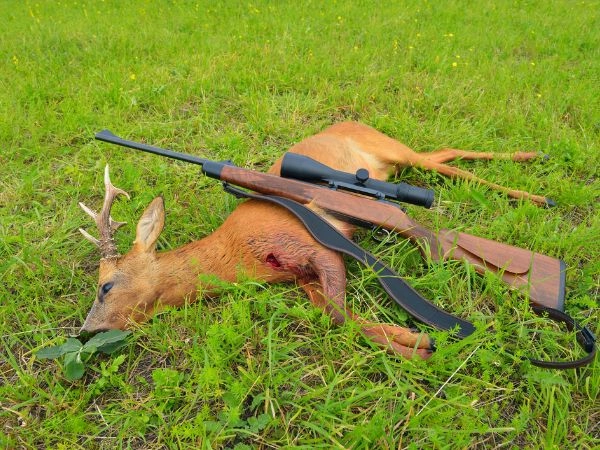
For this reason, it is essential to ensure that the shot is taken under ideal conditions: a stable three-point support, a clear trajectory, and the animal perfectly positioned. If these conditions are not met, the only ethical choice is to refrain—without regret.
Dawn, on the other hand, is the ideal time for hunting. With the light gradually increasing, there is enough time to recover the animal even in case of wounding. Safety remains the absolute priority: carefully choosing the position and maintaining a downward shooting trajectory are fundamental precautions.
If one is in an area not suited for grazing, such as dense woodland, stalking becomes a valid alternative, allowing the extension of hunting hours when roe deer return to the forest in the morning or have not yet emerged for grazing in the evening.
Immediately after the shot, it is important to wait at least twenty minutes before approaching the animal, especially if the effectiveness of the shot is uncertain. The roe deer, due to an adrenaline surge, may move several meters, seeking refuge in the forest. Carefully listening to the sound of its movement or the crash of its fall among the branches can be crucial for locating it quickly.
The “Last Bite” Ritual and the Traditional Greeting “Waidmannsheil”
Roe deer hunting, like all noble deer hunting, is steeped in traditions that date back centuries. One of these is the ritual of the “last bite,” a gesture of respect of Central European origin. After harvesting the animal, the hunter approaches the carcass, turns it onto its right side, and places a twig from a noble tree, such as oak, into its mouth. This symbolic “last bite” accompanies the animal on its final journey, as a tribute to the life that has just ended.
At this point, the guide says “Waidmannsheil,” an ancient greeting that, in its simplest translation, means “hunter’s salute.” But the term “Waidmann” refers not just to any hunter, but to an experienced and conscious one, like a selective hunter. The hunter responds with “Waidmannsdanke,” shaking hands as a sign of mutual respect.
These evocative rituals have been practiced for centuries in regions where rifle hunting is deeply rooted, although in Italy—except for Trentino-Alto Adige—they are not part of the national hunting culture. Elsewhere, a sincere handshake and a compliment are still enough to honor the event and the animal taken.
In hunting, every moment is thus a blend of emotion, respect, and tradition. From the first light of dawn to the closing rituals, roe deer hunting is an experience that goes beyond the simple act of hunting, embracing the very heart of nature and history.
The Perfect Rifle for Ethical Hunting
Selective hunting is an art that requires precision, patience, and above all, the right equipment. At the center of this practice is the bolt-action rifle, a tool that becomes almost an extension of the hunter, capable of making the difference between a clean harvest and a missed opportunity.
And when hunting in low-light conditions, the quality of optics becomes essential. An excellent optic is not just an accessory, but a silent ally that provides those precious extra minutes of light, often decisive in turning a hunting day into a truly memorable experience.
Choosing the Right Caliber for Roe Deer
When it comes to selecting the ideal caliber for roe deer hunting, the .243 Winchester stands out as a favorite, although the .223 Remington is also highly effective. However, the choice is not limited to these two, as many other calibers can be used successfully. The real key to ethical hunting lies not in the power of the ammunition, but in the precision of the shot.
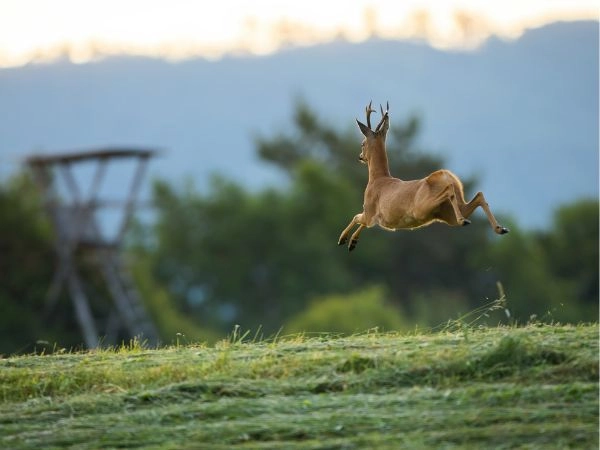
The roe deer, with its average weight of around 30 kilograms and its delicate build, does not require “heavy” calibers that may be difficult to manage at distances between 100 and 200 meters. On the contrary, an overly powerful caliber risks damaging the prized meat, going against one of the fundamental principles of ethical hunting: respect for the animal.
Features of the Ideal Rifle
Horizon bolt-action rifles represent the ideal choice for those seeking reliability and precision in roe deer hunting. Available in various versions—from the wooden-stock Horizon Wood, to the black synthetic Horizon Black Synt, to camouflage models like Horizon Elite Strata and Horizon Elite Gray—these rifles offer the perfect calibers for selective hunting.
Equipped with a detachable magazine holding 3 or 4 rounds (depending on caliber) and a fluted Dependa Bolt action, they feature a modern and appealing design. But performance goes beyond aesthetics. The cold hammer-forged steel barrel ensures consistent accuracy, while the adjustable Relia Trigger (ranging from 0.8 to 1.9 kg) provides exceptional sensitivity.
Each Horizon rifle is delivered with a 1 MOA accuracy certificate for three-shot groups and a 7-year warranty on mechanical parts, confirming the quality and reliability of these firearms.
Ethical Hunting: A Commitment to the Future
In the modern world, ethical hunting is more than just a choice—it is a responsibility for every hunter aware of changing times. Understanding the new wildlife and territorial realities, shaped by human impact, is essential.
An ethical approach not only preserves the hunter’s passion but also ensures environmental protection and the future of generations to come.
In conclusion, choosing the right equipment is only the first step toward truly ethical selective hunting, where respect for the animal and the surrounding environment must always remain at the center of the hunter’s attention.