
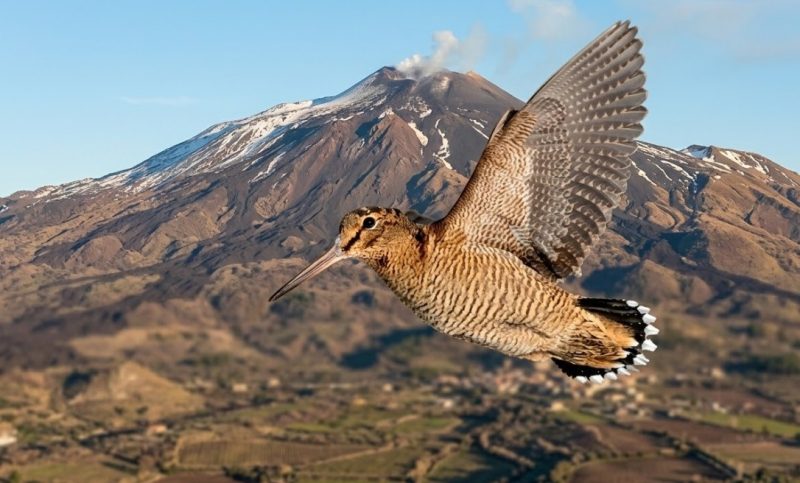
Southern Italy offers a hunting environment very different from the high Alpine regions of northern Europe. Here, the landscape is defined by Mediterranean ecosystems, rugged hills, ancient forests, coastal plains and mountain chains such as the southern Apennines. Regions including Campania, Basilicata, Calabria, Puglia and Sicily, together with the island of Sardinia, provide a remarkable diversity of habitats where both resident game species and migratory birds thrive.
Hunting traditions in Southern Italy are deeply rooted in rural culture and are closely linked to the seasonal rhythms of the Mediterranean countryside.
In many areas, hunting territories include vast oak forests, Mediterranean scrublands, rocky hillsides and mountainous landscapes where wildlife has adapted to warm climates and varied terrain.
Big Game Species of Southern Italy
Several important big game species inhabit the southern regions of Italy, offering opportunities for traditional European hunting experiences.
Wild Boar (Sus scrofa): it is the most widespread big game species throughout Southern Italy. Large populations inhabit forested mountains and dense Mediterranean vegetation across regions such as Calabria, Basilicata and Campania. Wild boar hunts are often conducted using traditional methods with local hunting teams and trained dogs, creating dynamic and social hunting experiences deeply embedded in local culture.
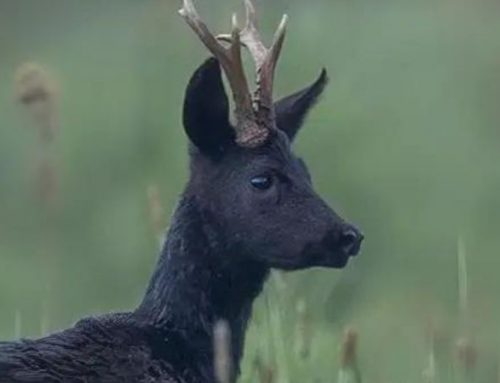
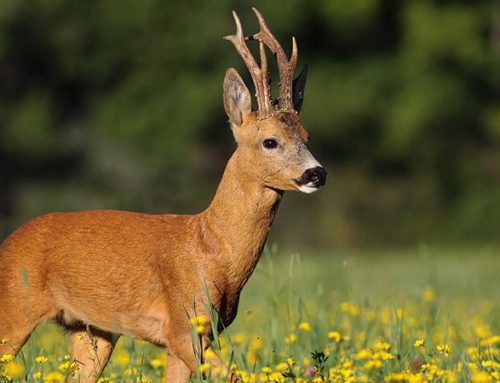
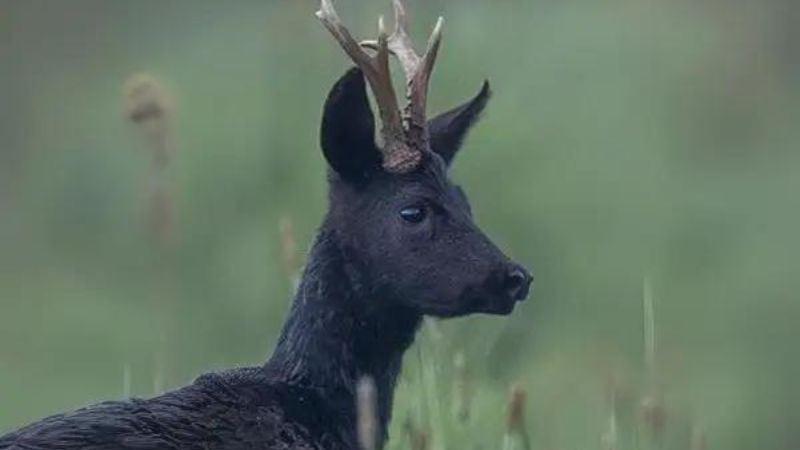
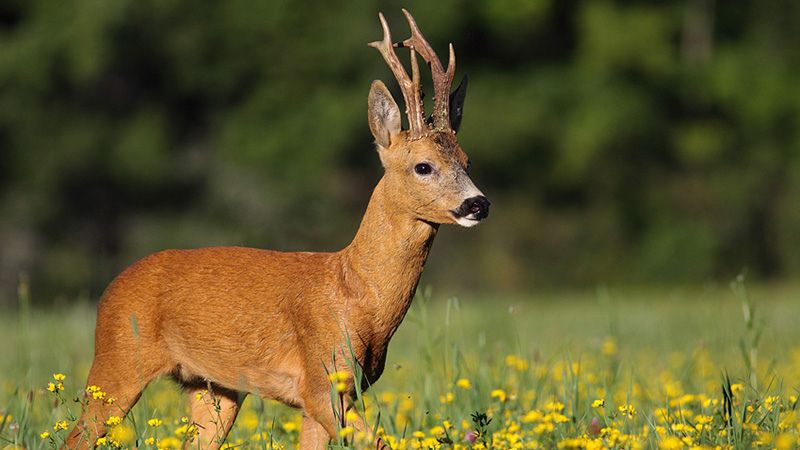
Roe Deer (Capreolus capreolus): the populations have expanded in several parts of the southern Apennines. These elegant animals inhabit forest edges, mountainous valleys and mixed landscapes where woodlands meet open grazing areas. Roe deer hunting in these regions typically involves classic stalking techniques in quiet mountain environments.
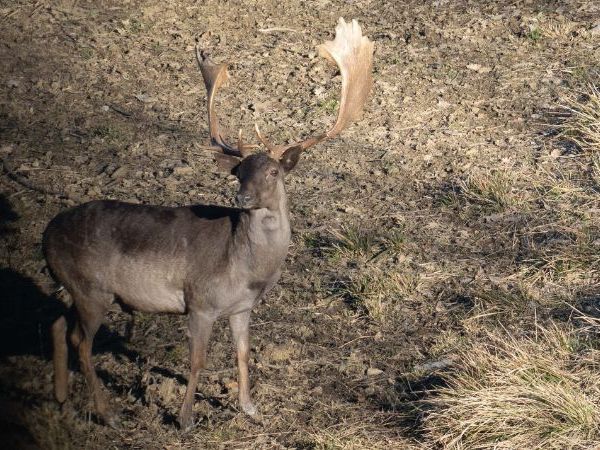
Fallow Deer (Dama dama): they are present in several southern Italian regions and in certain protected estates where populations have been successfully established. These animals inhabit Mediterranean forests and open landscapes where they graze in herds, offering interesting stalking opportunities in scenic countryside.
Sardinia: A Unique Island Hunting Environment
The island of Sardinia offers one of the most distinctive hunting environments in the Mediterranean. Its rugged mountains, vast maquis shrublands and remote valleys provide ideal habitats for several fascinating game species.
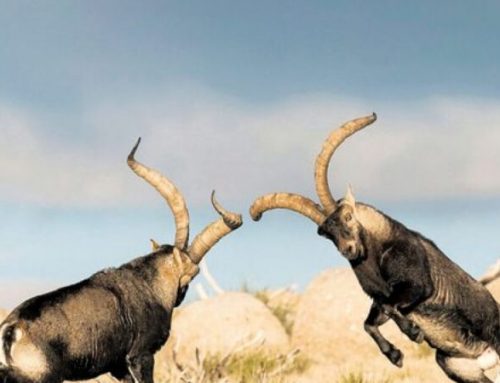
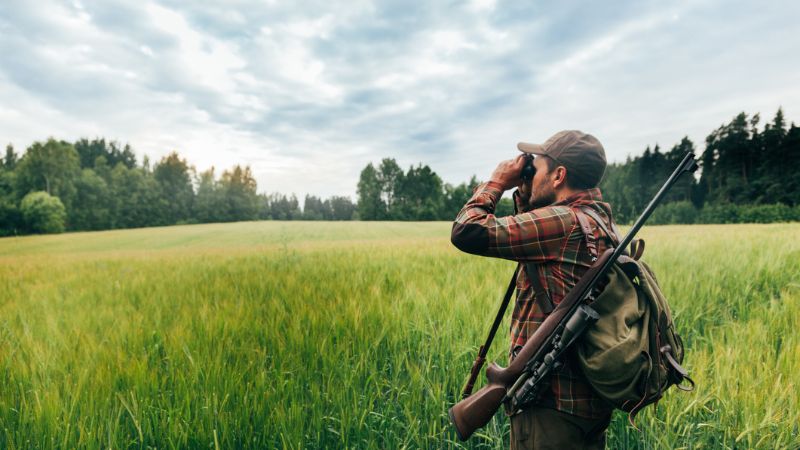
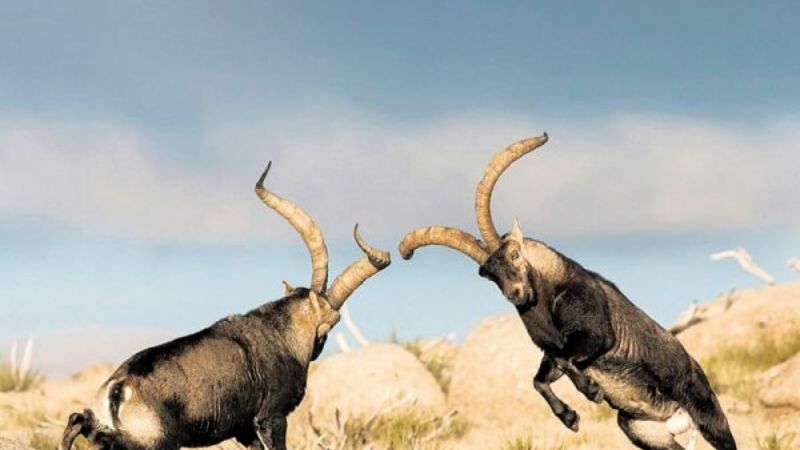
Mouflon (Ovis aries musimon): the Sardinian mouflon is one of the island’s most iconic species and represents a classic mountain hunt in a Mediterranean setting. Mouflon inhabit steep rocky mountains and remote highland areas where hunters must rely on careful glassing and challenging stalks to approach these wary animals. The hunt requires patience, endurance and a strong understanding of wind and terrain.
Wild Boar: populations are also abundant in Sardinia, particularly in forested mountainous areas where dense vegetation provides ideal cover. Traditional hunts are often conducted with local hunting teams and well-trained dogs, maintaining practices that have been passed down for generations.
What big game species can be hunted in Southern Italy?
Southern Italy offers several important big game species. The most common include wild boar (Sus scrofa), roe deer (Capreolus capreolus), and in certain areas fallow deer (Dama dama). On the island of Sardinia, hunters can also pursue the Sardinian mouflon (Ovis aries musimon), one of the most iconic Mediterranean mountain species. These hunts often take place in rugged hills, forests and Mediterranean mountain landscapes.
Are there good opportunities for migratory bird hunting in Southern Italy?
Southern Italy lies along one of the most important migratory bird routes between Europe and North Africa. Regions such as Sicily and Puglia are strategically positioned along these flyways, attracting large numbers of migratory birds during the autumn migration. Traditional hunting for species such as quail and other migratory birds has been practiced here for centuries and remains an important part of local hunting culture.
Sicily and the Southern Migration Routes
Southern Italy and the Mediterranean islands occupy a strategic geographic position along one of the most important bird migration corridors between Europe and Africa. During autumn migration, vast numbers of birds cross the Mediterranean Sea, traveling from northern Europe toward wintering grounds in North Africa.
Regions such as Sicily and Puglia are located along these natural migration routes, making them historically significant areas for traditional migratory bird hunting.
Woodcock (Scolopax rusticola): Woodcock hunting is particularly appreciated in Sicily, where forested areas and Mediterranean woodlands provide excellent habitat for these elusive birds during the winter months. Woodcock hunting often involves skilled pointing dogs working through dense vegetation and woodland edges.
Quails and Other Migratory Birds: they also pass through southern Italy during seasonal movements between Europe and Africa. These migrations have shaped local hunting traditions for centuries and continue to attract hunters interested in classic Mediterranean bird hunting.

Landscapes of the Southern Apennines
The southern Apennines stretch across several regions and form the backbone of Southern Italy’s mountainous landscapes. These mountains are less crowded and often more remote than many areas in the Alps, creating ideal conditions for wildlife and offering hunters a sense of wilderness rarely found elsewhere in Europe.
Large national parks and protected areas contribute to the preservation of these ecosystems while allowing wildlife populations to expand into surrounding territories.
Tradition, Nature and Mediterranean Culture
What makes hunting in Southern Italy particularly special is the blend of natural beauty, traditional rural life and Mediterranean culture. Many hunting areas are located near historic villages where local communities still maintain strong connections to the land.
After a day spent exploring forests, mountains or coastal landscapes, hunters often enjoy the hospitality of southern Italy through traditional cuisine, local wines and a relaxed atmosphere that reflects the spirit of the Mediterranean.
For hunters seeking a destination where wild landscapes, migratory bird routes and ancient hunting traditions converge, Southern Italy and its islands offer a unique and memorable experience within the broader European hunting world.
FAQ – Hunting in Italy for International Hunters
Is hunting legal in Italy?
Yes, hunting is legal in Italy and is regulated by national and regional wildlife management laws. Hunting activities are carefully controlled to ensure sustainable wildlife populations and habitat conservation. Hunters must follow seasonal regulations, species quotas and licensing requirements. Foreign hunters can legally hunt in Italy with temporary permits and the assistance of authorized local guides.
Can foreign hunters hunt in Italy?
Yes, foreign hunters can hunt in Italy. International hunters must obtain a temporary Italian hunting license, provide valid firearm documentation and comply with local hunting regulations. In most cases, hunting is organized through licensed outfitters or local hunting associations that assist with permits, logistics and guiding services.
Do you need a guide to hunt in Italy?
In most cases, international hunters hunt in Italy with the assistance of experienced local guides or hunting organizations. Guides are familiar with the hunting territories, wildlife behavior and local regulations. Their expertise greatly increases the chances of a successful hunt while ensuring safety and compliance with Italian hunting laws.
What is the best time of year to hunt in Italy?
The best time for hunting in Italy depends on the species and region.
Generally:
- Autumn and winter are ideal for big game hunting such as wild boar and deer.
- Early autumn is excellent for alpine species such as chamois.
- Winter months offer good opportunities for woodcock hunting in southern regions.
Season dates are regulated by regional hunting calendars.
How difficult is alpine hunting in Italy?
Alpine hunting in the Italian Alps is considered one of the most physically demanding forms of hunting in Europe. Hunters must navigate steep terrain, high altitudes and long spotting distances. Pursuing species such as chamois often requires careful stalking across rocky slopes and precise shooting at medium to long distances.
Is Sardinia a good destination for mouflon hunting?
Yes, Sardinia is one of the most famous destinations in Europe for mouflon hunting. The island’s rugged mountains and Mediterranean landscapes provide ideal habitat for the Sardinian mouflon. Hunts typically involve spotting animals from elevated positions and stalking across rocky terrain, offering a challenging and memorable hunting experience.
Why do hunters travel to Italy?
Hunters travel to Italy for several reasons. The country offers a unique combination of diverse landscapes, traditional hunting culture and exceptional cuisine. Within a single trip, hunters can experience alpine mountains, forested valleys and Mediterranean countryside. This diversity makes Italy one of the most fascinating hunting destinations in Europe.
Is woodcock hunting good in Italy?
Yes, Italy offers excellent woodcock hunting opportunities, particularly in the forests of central and southern regions. During the winter months, migrating woodcock arrive from northern Europe and inhabit woodland areas where hunters traditionally hunt them with well-trained pointing dogs.
How do you book a hunting trip in Italy?
Booking a hunting trip in Italy typically involves contacting a professional hunting outfitter or local hunting organization like Montefeltro Sport. They assist with:
- hunting permits
- firearm documentation
- accommodation
- guiding services
- transportation in hunting areas
Planning in advance is recommended, as many hunting territories operate with limited quotas to maintain sustainable wildlife populations.