
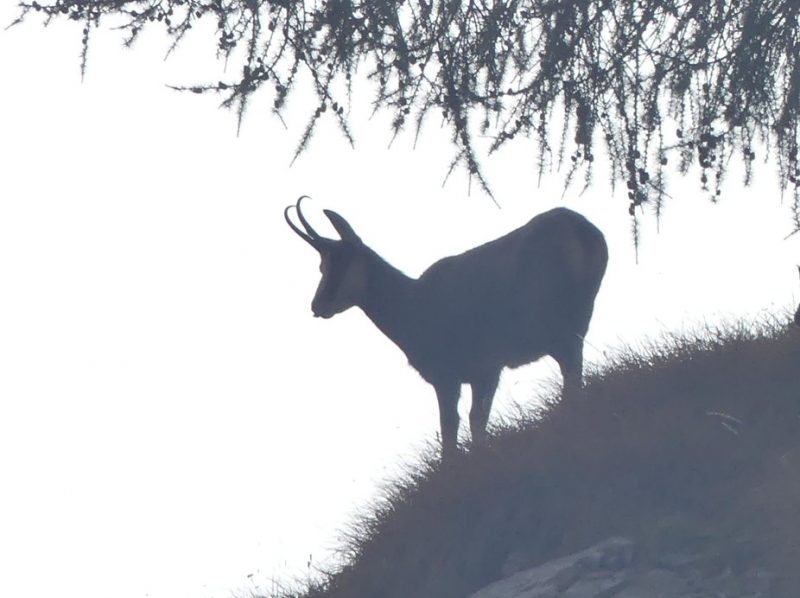
Introduction to Alpine Hunting in Europe
Alpine hunting in Europe represents one of the most authentic and challenging forms of mountain hunting in the world. The steep terrain of the Alps, vast high-altitude landscapes and centuries-old hunting traditions create a unique environment where hunters pursue iconic species such as alpine chamois and ibex.
From the dramatic ridges of the Italian Alps to the wild valleys of Austria and Slovenia, alpine hunting requires endurance, precision and a deep understanding of mountain wildlife. Unlike many forms of big game hunting conducted in open plains or forests, alpine hunting involves spot-and-stalk techniques in rugged terrain, often at elevations exceeding 2,000 meters.
For hunters seeking a true mountain adventure, Europe’s alpine regions offer some of the most rewarding hunting experiences available anywhere in the world.
What Is Alpine Hunting?
Alpine hunting refers to a specialized form of mountain hunting practiced in high-altitude environments, typically within the rugged alpine ecosystems of the European Alps. These landscapes, characterized by dramatic peaks, vast high-altitude pastures and rocky ridgelines, create one of the most challenging and authentic hunting environments in the world. Unlike hunting in forests or plains, alpine hunting requires hunters to adapt to the natural rhythms of mountain wildlife and the demanding conditions of the terrain.
This type of hunting is defined by several key elements that distinguish it from other forms of big game hunting. Hunters often operate in steep and uneven terrain, where every movement must be deliberate and controlled. The landscape frequently consists of rocky slopes, alpine meadows, cliffs and narrow ridges that demand careful navigation. As a result, physical endurance and balance become essential qualities for anyone pursuing mountain game in the Alps.
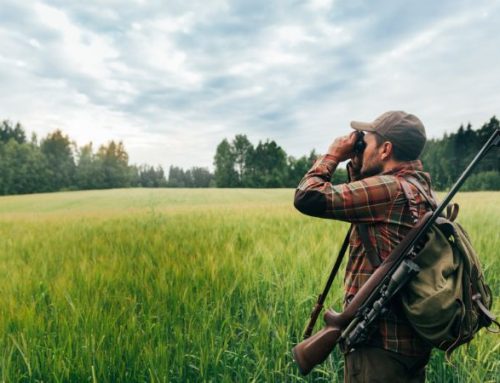
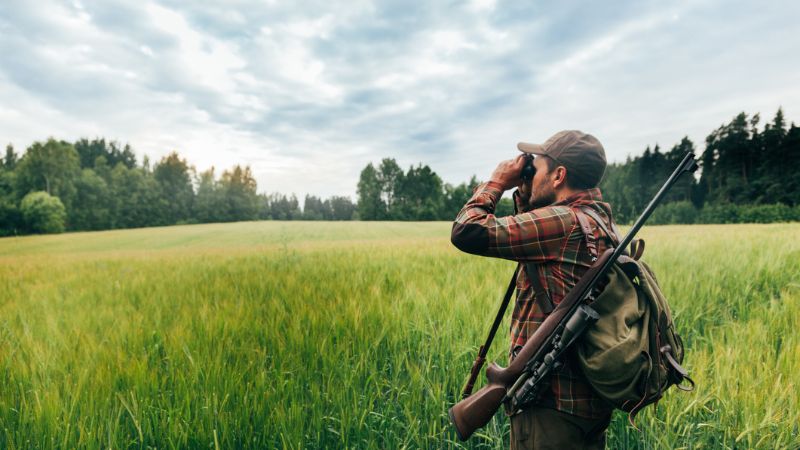
Another defining characteristic of alpine hunting is the use of long-distance observation and spotting techniques. Because mountain animals such as chamois and ibex inhabit open slopes and elevated basins, hunters and guides must spend significant time glassing the landscape with binoculars or spotting scopes. From strategic vantage points, they study the terrain carefully, identifying animals often hundreds of meters away before planning a careful approach.
Once an animal is located, the hunt transitions into one of the most demanding phases: the mountain stalk. Alpine stalking often involves traversing steep slopes, moving quietly across rocky terrain and using natural cover such as ridgelines or folds in the mountain to approach the animal without being detected. These stalks can last for hours and require patience, strategic thinking and a deep understanding of how mountain animals move within their habitat.
The shooting conditions encountered during alpine hunts are also highly technical. Wind currents, elevation changes and uneven shooting positions frequently influence the shot. Opportunities may arise at distances ranging from 150 to over 300 meters, requiring hunters to combine accurate marksmanship with careful judgment of terrain and environmental factors. For this reason, alpine hunting is often considered one of the most demanding disciplines within European big game hunting.
Another important aspect that distinguishes alpine hunting is its reliance on traditional spot-and-stalk methods guided by experienced local hunters. Professional guides possess an intimate knowledge of the mountains, the seasonal movements of wildlife and the safest routes through the terrain. Their expertise allows hunters to approach animals ethically and responsibly while maintaining respect for the fragile alpine ecosystem.
Beyond the technical challenges, alpine hunting offers an experience deeply connected to nature and tradition. The silence of the high mountains, the vast horizons of the Alps and the presence of wildlife adapted to these harsh environments create an atmosphere unlike any other hunting destination. For many hunters, alpine hunting is not only about harvesting a trophy but also about immersing themselves in one of Europe’s most spectacular and timeless landscapes.
In essence, alpine hunting represents the purest form of mountain hunting in Europe, a combination of physical challenge, strategic stalking and profound respect for wildlife that has defined hunting traditions in the Alps for centuries.
This type of hunting is characterized by:
- steep terrain
- long spotting distances
- physically demanding stalks
- technical shooting conditions
The Best Alpine Hunting Destinations in Europe
The European Alps stretch across several countries, each offering unique hunting opportunities.
Italy: One of Europe’s Finest Destinations for Alpine Hunting
The Italian Alps represent one of the most authentic and fascinating regions in Europe for alpine hunting, offering a combination of wild mountain landscapes, carefully managed wildlife populations and a long-standing hunting culture deeply rooted in the alpine communities. Stretching across the northern border of the country from the French frontier to the Slovenian Alps, this vast mountain chain provides an extraordinary variety of habitats where some of Europe’s most iconic mountain species thrive.
Unlike many other regions where hunting opportunities for international visitors may be limited, Italy offers legal and well-organized access for foreign hunters, often through guided hunts conducted in cooperation with local wildlife authorities and mountain communities. This accessibility, combined with the remarkable biodiversity of the Italian Alps, makes the country one of the most attractive destinations for hunters seeking a genuine alpine experience.
One of the defining features of alpine hunting in Italy is the quality of wildlife management. Hunting territories are regulated through detailed regional management plans that monitor animal populations, establish sustainable quotas and ensure that hunting remains a responsible tool for conservation. These programs have contributed to the healthy recovery of several alpine species, allowing hunters to pursue mature animals in environments where wildlife populations remain stable and well balanced.
Key Species of Alpine Hunting in Italy
The Italian Alps host a rich diversity of mountain game species that are particularly sought after by hunters from around the world.
Alpine Chamois (Rupicapra rupicapra): The alpine chamois is undoubtedly the most emblematic species of mountain hunting in the Alps. Agile, vigilant and perfectly adapted to steep terrain, chamois inhabit rocky slopes and alpine pastures where stalking requires patience, endurance and precision shooting. Pursuing a mature chamois in the Italian Alps is widely considered one of the most rewarding mountain hunts in Europe.
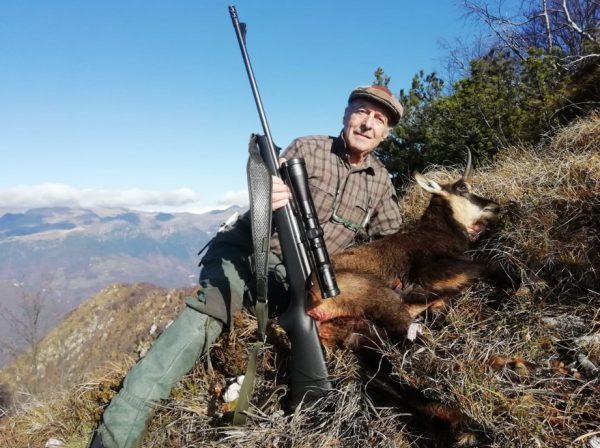
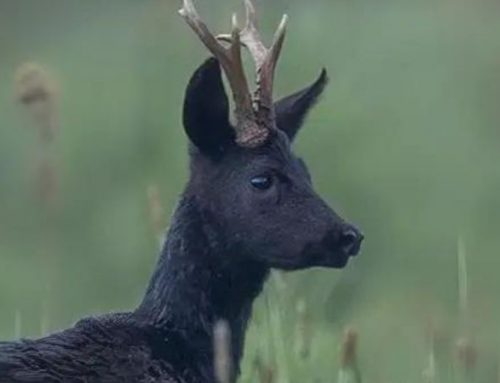
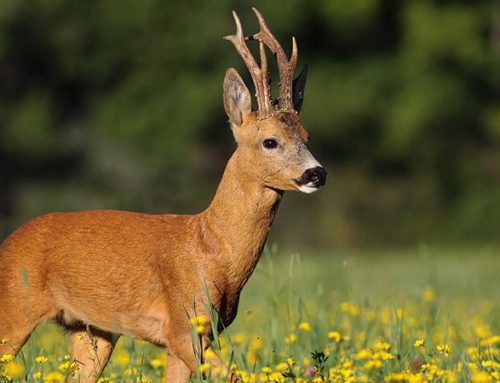
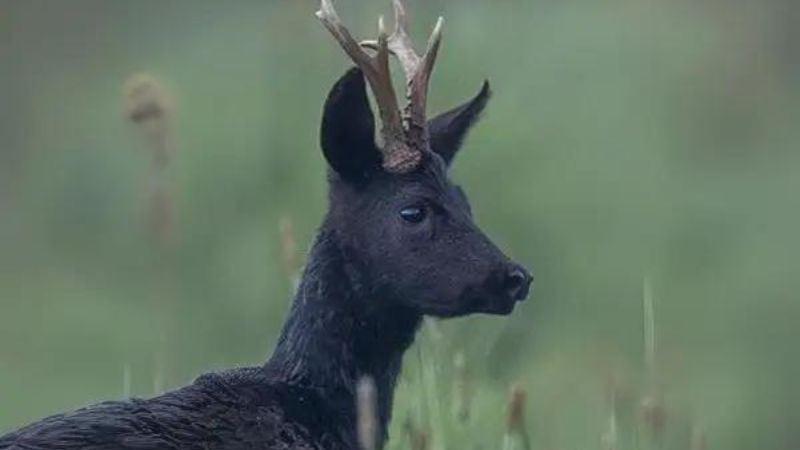
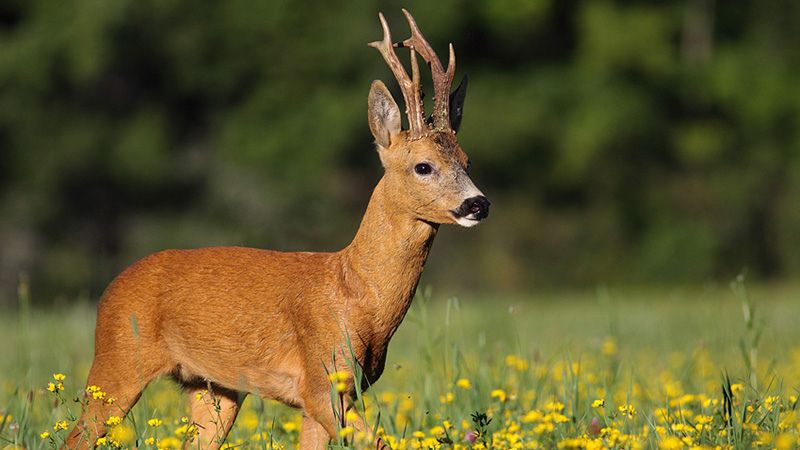
Roe Deer (Capreolus capreolus): Although roe deer are often associated with lower elevations and forested environments, many alpine regions of Italy support healthy populations of this elegant species. Roe deer hunts typically take place in mixed mountain habitats where forests meet open pastures, offering exciting stalking opportunities in scenic alpine landscapes.
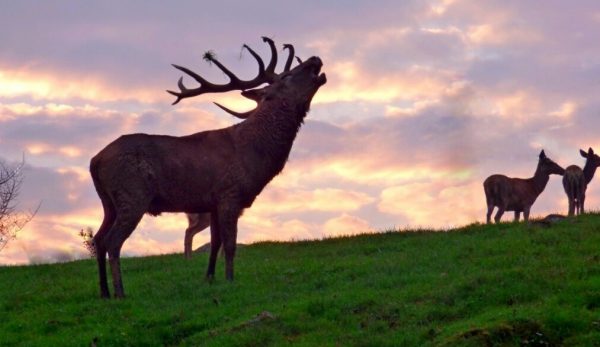
Red Deer (Cervus elaphus): The majestic red deer is another important species found throughout the Italian Alps. Mature stags inhabit vast forested valleys and alpine basins, particularly in regions where wildlife management programs have allowed populations to grow steadily. During the autumn rut, the haunting calls of red deer echo through the mountains, creating one of the most unforgettable hunting experiences in Europe.
Major Alpine Hunting Regions in Italy
Several alpine regions stand out for their exceptional landscapes, well-managed wildlife populations and strong hunting traditions.
Piedmont: located in the western Alps along the border with France, Piedmont offers some of the most spectacular mountain hunting territories in Italy. Vast valleys, high ridges and remote alpine basins create ideal habitat for chamois and red deer. The region is particularly renowned for its wild character and its authentic mountain atmosphere, where traditional alpine culture remains strong.
Lombardy: the Lombardy Alps stretch across northern Italy and include diverse landscapes ranging from steep granite peaks to expansive alpine meadows. The region supports stable populations of chamois and roe deer and is known for its well-organized wildlife management programs.
The Dolomites: in northeastern Italy, the Dolomites form one of the most visually striking mountain ranges in the world. These dramatic limestone peaks create a unique alpine environment where chamois and red deer inhabit steep slopes and high mountain plateaus. Hunting in the Dolomites combines breathtaking scenery with centuries-old hunting traditions that remain an integral part of local culture.
A Unique Combination of Nature, Tradition and Adventure
What truly distinguishes alpine hunting in Italy is the blend of natural beauty, cultural heritage and authentic hunting traditions. Hunters exploring the Italian Alps move through landscapes shaped by centuries of coexistence between wildlife and mountain communities. Small alpine villages, ancient trails and traditional mountain lodges contribute to an atmosphere that cannot easily be replicated elsewhere.
At the end of a long day in the mountains, hunters often return to warm alpine hospitality where local cuisine, regional wines and traditional mountain culture enrich the experience. This unique combination transforms an alpine hunt into something more than a simple pursuit of game: it becomes a journey into the heart of the European mountains.
For hunters seeking challenging terrain, well-managed wildlife and the timeless spirit of mountain hunting, the Italian Alps remain one of the most compelling destinations in Europe.
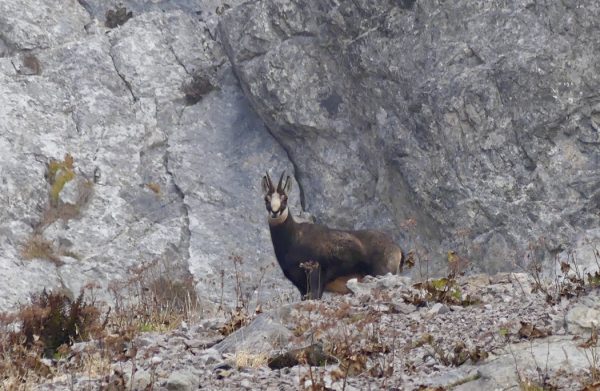
Austria: A Historic Heartland of Alpine Hunting
Austria has long been regarded as one of the great historic centers of alpine hunting in Europe, where centuries-old traditions of mountain hunting remain deeply embedded in both culture and wildlife management. The Austrian Alps cover a vast portion of the country and include some of the most celebrated mountain landscapes in Europe. These regions combine dramatic alpine scenery with an exceptionally structured hunting system that has been refined over generations.
Hunting in Austria is strongly connected to tradition and ceremony. The culture of “Jagd”, as hunting is known in the German-speaking alpine world, is treated with great respect and is governed by strict ethical standards. Many hunting territories are managed as Reviere, designated hunting districts where wildlife populations are carefully monitored and managed through detailed conservation plans. These territories are often leased or privately managed, ensuring consistent stewardship of habitats and game populations.
For hunters, Austria offers an environment where the practice of alpine hunting is supported by both strong wildlife conservation policies and a deep cultural heritage. The country has long been known for producing excellent trophies and maintaining healthy populations of mountain game species.
Key Species of Alpine Hunting in Austria
Austria is home to several iconic alpine species that attract hunters from across Europe and beyond.
Alpine Chamois: the chamois is one of the most important mountain species in the Austrian Alps. These agile animals inhabit steep rocky slopes and alpine meadows at high elevations, often moving across rugged ridgelines where spotting and stalking require patience and careful planning. Austrian chamois hunts are known for their challenging terrain and the opportunity to pursue mature animals in pristine alpine environments.
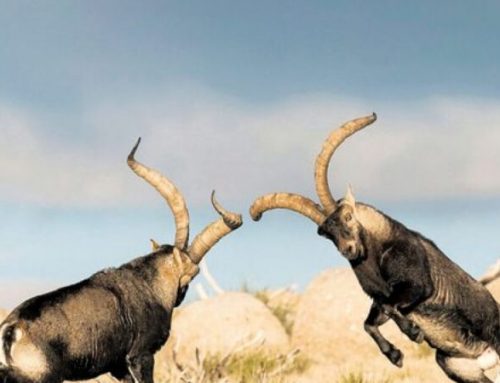
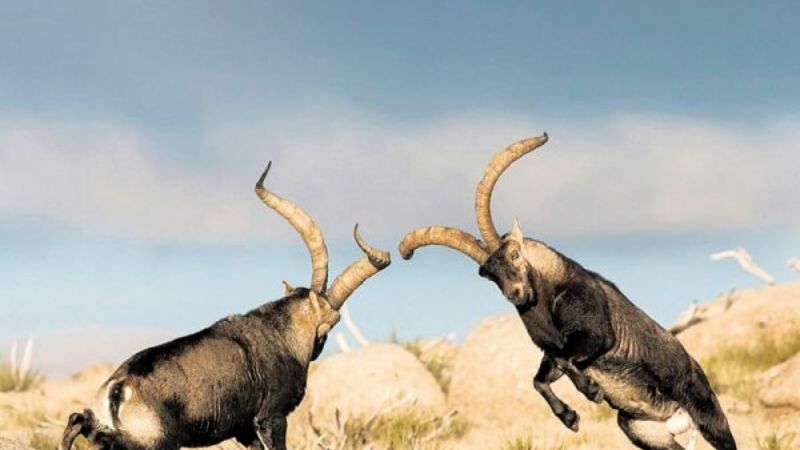
Alpine Ibex (Capra ibex): it is one of the most iconic mountain species of the European Alps and can be found in several Austrian alpine regions where successful reintroduction programs have allowed populations to recover. These powerful wild goats inhabit steep rocky cliffs, high ridgelines and remote alpine basins, often at elevations above 2,000 meters. Perfectly adapted to extreme terrain, ibex move effortlessly across rocky slopes where few other animals can survive. Pursuing ibex in the Austrian Alps represents one of the most demanding forms of alpine mountain hunting, requiring excellent physical preparation, careful spotting with optics and long, challenging stalks across rugged terrain. Mature males are particularly admired for their impressive curved horns, making the Alpine ibex one of the most respected and prestigious trophies of European mountain hunting.
Red Deer: Austria is also famous for its red deer populations. In many alpine valleys, red deer inhabit vast forested landscapes that extend up into the high mountains. The autumn rut is particularly spectacular, when the deep calls of stags echo through alpine valleys during one of the most dramatic wildlife events in Europe.
Roe Deer: they are widely distributed throughout Austria and are frequently found in alpine foothills and forested mountain landscapes. While smaller than other species, the roe deer remains a highly respected game animal and is pursued through classic stalking techniques.
The Austrian Alpine Landscape
The Austrian Alps are characterized by a remarkable diversity of habitats. From high rocky peaks and steep mountain ridges to expansive alpine meadows and deep forested valleys, the terrain offers ideal conditions for mountain wildlife. Elevations often range between 1,000 and over 3,000 meters, creating varied ecosystems that support different species across the seasons.
These landscapes require hunters to rely on traditional spot-and-stalk hunting techniques, often guided by experienced local professionals who possess intimate knowledge of the mountains and the behavior of alpine wildlife. The combination of challenging terrain and vast open landscapes makes alpine hunting in Austria both technically demanding and deeply rewarding.
A Strong Tradition of Wildlife Management
One of the defining features of hunting in Austria is the highly structured wildlife management system. Game populations are carefully monitored through scientific surveys and long-term conservation strategies. Annual harvest quotas are established to ensure that hunting contributes to the sustainable balance of wildlife populations and their habitats.
This careful management has allowed many species, particularly red deer and chamois, to thrive across the Austrian Alps. The emphasis on sustainability ensures that alpine hunting continues to be practiced responsibly while preserving the natural ecosystems of the mountains.
A Unique Cultural Experience
Beyond the hunt itself, Austria offers a distinctive cultural dimension that enriches the alpine hunting experience. Hunting traditions are closely tied to local customs, including ceremonial practices that honor the animal and the landscape. Traditional hunting lodges, mountain villages and regional cuisine all contribute to a setting that reflects the long history of hunting in the Alps.
After a day spent traversing rugged mountain slopes, hunters often gather in alpine lodges where hospitality, traditional dishes and the warmth of mountain culture create an atmosphere of camaraderie and respect for the natural world.
For those seeking an authentic alpine hunting experience shaped by centuries of tradition, Austria remains one of Europe’s most prestigious mountain hunting destinations.
Slovenia: Wild Alpine Hunting in the Heart of the Julian Alps
Slovenia is one of Europe’s most fascinating and often overlooked destinations for alpine hunting, offering a remarkable combination of wild mountain landscapes, strong wildlife populations and a deeply rooted hunting tradition. Situated at the crossroads of Central Europe and the Balkans, Slovenia includes part of the Julian Alps, a dramatic mountain range that forms one of the most beautiful alpine environments in Europe.
Although smaller than many other Alpine countries, Slovenia is known for its exceptional biodiversity and carefully managed hunting territories. The country has maintained a balanced approach to wildlife conservation and hunting management, allowing mountain species to thrive across its rugged alpine landscapes. For hunters seeking a genuine mountain experience away from heavily commercialized destinations, Slovenia offers an environment that remains remarkably wild and authentic.
Key Species of Alpine Hunting in Slovenia
The mountainous regions of Slovenia host several important alpine species that attract hunters interested in traditional European mountain hunting.
Alpine Chamois: the chamois is the most iconic mountain species found in the Slovenian Alps. Populations are particularly strong in the Julian Alps and Triglav National Park region, where steep limestone peaks and remote alpine slopes create ideal habitat. Chamois hunting in Slovenia typically involves classic spot-and-stalk techniques, where hunters and guides observe animals from distant vantage points before carefully planning their approach across challenging terrain.
Red Deer: they are widely distributed throughout Slovenia’s mountain forests and valleys. Mature stags inhabit large forested areas that stretch into the lower alpine zones, providing excellent opportunities for stalking hunts and traditional rut hunts during autumn.
Roe Deer: they are common throughout Slovenia’s diverse landscapes and are often found along the transition between forest and alpine pastures. Although smaller than red deer, roe deer hunts require patience and careful observation, especially in the mountainous terrain where animals move between feeding areas and forest cover.
The Julian Alps: Slovenia’s Mountain Hunting Heartland
The Julian Alps form the core of Slovenia’s alpine hunting regions. This dramatic mountain range is known for its towering limestone peaks, deep valleys and expansive alpine meadows. The terrain is often rugged and steep, creating a challenging environment where wildlife thrives far from human disturbance.
Elevations frequently range between 1,000 and 2,800 meters, and many hunting areas are accessible only by narrow mountain paths and traditional alpine trails. Hunters must rely on careful glassing and strategic stalking to locate animals across the vast alpine basins and rocky slopes.
The combination of alpine cliffs, forested valleys and remote mountain ridges creates one of the most diverse mountain hunting environments in Europe.
Wildlife Management and Hunting Traditions
Slovenia has developed a strong reputation for responsible wildlife management, combining modern conservation practices with centuries-old hunting traditions. Hunting territories are typically organized within structured districts managed by local hunting associations. These organizations monitor wildlife populations, regulate hunting quotas and ensure that harvest levels remain sustainable.
This system has allowed Slovenia to maintain healthy populations of chamois, deer and other game species while preserving the ecological balance of its mountain ecosystems.
A Unique Alpine Experience
One of the most distinctive aspects of hunting in Slovenia is the sense of wilderness and natural authenticity that characterizes the country’s mountain regions. Many hunting territories lie far from large urban centers, allowing hunters to experience landscapes that remain largely untouched.
The surrounding alpine villages and mountain communities preserve traditional customs and hospitality that have defined life in the mountains for generations. Local cuisine, historic mountain lodges and centuries-old hunting practices contribute to a cultural atmosphere that enriches the entire hunting experience.
For hunters seeking a destination where wild landscapes, traditional hunting culture and challenging alpine terrain come together, Slovenia offers one of the most rewarding alpine hunting experiences in Europe.
Switzerland: Legendary Alpine Landscapes and Traditional Mountain Hunting
Switzerland occupies a central place in the geography and history of the European Alps. With some of the most dramatic peaks in the entire mountain range, such as the Matterhorn, Monte Rosa and the Bernese Alps, the country is synonymous with high alpine landscapes and pristine wilderness. These rugged mountains provide ideal habitat for several iconic alpine species, making Switzerland historically one of the great strongholds of mountain wildlife in Europe.
Although hunting opportunities for international visitors are more limited than in some neighboring countries, Switzerland remains extremely important in the context of alpine hunting culture and wildlife conservation. The country has developed a highly regulated and carefully controlled hunting system that has helped maintain healthy populations of mountain species across its alpine ecosystems.
Key Species of Alpine Hunting in Switzerland
The Swiss Alps support several classic mountain game species that are emblematic of alpine hunting traditions.
Alpine Chamois: the chamois is one of the most widespread mountain species throughout Switzerland. These agile animals inhabit steep rocky slopes and high alpine pastures, often moving across dramatic ridges and cliffs where they remain constantly alert to danger. Chamois hunting in Switzerland requires excellent physical condition and careful stalking techniques, as animals often inhabit terrain that is both rugged and exposed.
Alpine Ibex: Switzerland played a crucial role in the recovery of the Alpine ibex. After the species nearly disappeared from the Alps in the nineteenth century, conservation efforts led to its reintroduction across several mountain regions. Today, ibex populations thrive in many Swiss alpine areas, where mature males with impressive horns inhabit steep rocky environments at high elevations.
Red Deer: the populations have also expanded in several Swiss alpine valleys and forests. These majestic animals occupy forested mountain regions and alpine basins where they move between feeding grounds and sheltered areas. During the autumn rut, the calls of stags echo through the alpine valleys, creating one of the most spectacular wildlife events in the mountains.
The Swiss Alpine Landscape
Few regions in Europe offer landscapes as dramatic and visually striking as the Swiss Alps. Towering peaks rise above deep glacial valleys, while alpine meadows and high mountain plateaus provide grazing areas for wildlife during the warmer months. Elevations frequently exceed 3,000 meters, creating environments where only highly adapted mountain species can thrive.
The terrain in these regions is often extremely steep and rugged. Rocky cliffs, glacier-carved valleys and narrow ridges make movement across the mountains both physically demanding and technically challenging. These conditions have shaped the evolution of alpine species such as chamois and ibex, which possess remarkable agility and the ability to navigate terrain that would be difficult for most predators.
A Unique Hunting System
One of the distinctive aspects of hunting in Switzerland is its highly regulated public hunting system. In many cantons, hunting is not conducted through private estates or commercial outfitters but instead through regulated licenses issued to residents. Hunters must follow strict seasonal regulations and quotas designed to ensure sustainable wildlife populations.
Because of these regulations, access for international hunters is more restricted compared to other alpine countries. However, this system has contributed significantly to the successful conservation of alpine wildlife and the preservation of natural ecosystems across Switzerland’s mountains.
Conservation and Alpine Heritage
Switzerland’s commitment to environmental protection and wildlife management has played an important role in safeguarding alpine ecosystems. Large protected areas, national parks and strict wildlife monitoring programs have helped maintain stable populations of mountain species throughout the country.
The Swiss Alps therefore represent not only a remarkable natural landscape but also an important example of how conservation, wildlife management and alpine traditions can coexist. For many hunters and wildlife enthusiasts, Switzerland embodies the ideal of the alpine wilderness where wildlife thrives in balance with the environment.
A Symbol of the European Alps
Even though international hunting opportunities may be limited, Switzerland remains a symbolic heart of the alpine world. Its towering peaks, pristine valleys and thriving wildlife populations continue to inspire hunters, mountaineers and nature lovers from around the globe.
In the broader context of alpine hunting in Europe, Switzerland stands as a testament to the beauty and resilience of mountain ecosystems, an environment where the traditions of the Alps and the conservation of wildlife remain closely intertwined.
Two Distinct Mountain Hunting Experiences in Europe
For hunters interested in European mountain hunting, the continent offers two distinct chamois experiences. The Italian Alps and the Western Alpine region provide the classic alpine hunting environment with dramatic peaks and open slopes. Meanwhile, the Carpathians and Balkan mountain ranges offer a wilder and more forested setting where the Balkan chamois thrives.
Together, these regions illustrate the remarkable diversity of mountain hunting opportunities available across Europe, each offering its own landscapes, traditions and challenges for hunters seeking a true high-altitude adventure.
Alpine Chamois Hunting
The alpine chamois is one of the most iconic mountain animals in Europe and the primary species pursued during alpine hunts. Chamois inhabit steep rocky terrain and alpine pastures, often moving across high slopes where spotting and stalking require patience and careful planning.
Chamois hunting is widely considered one of the most challenging forms of mountain hunting, as animals possess exceptional eyesight and agility. Typical shooting distances during alpine chamois hunts range between 150 and 350 meters, depending on terrain and visibility.
Ibex Hunting in the European Alps
The Alpine ibex represents one of the most prestigious trophies in European mountain hunting. Once nearly extinct, the species has made a remarkable recovery thanks to conservation efforts across the Alps. Ibex hunts often take place in extremely rugged terrain, where hunters must approach animals carefully across rocky cliffs and high-altitude basins.
The impressive horns of mature males make the ibex one of the most sought-after trophies in alpine hunting. Ibex hunting on the Alps is only permitted in Austria ad Switzerland.
Terrain and Conditions of Alpine Hunting
Alpine hunting environments are among the most demanding landscapes in the world.
Typical conditions include:
- elevations between 1,200 and 3,000 meters
- steep rocky slopes
- alpine grasslands
- narrow ridges and cliffs
Weather conditions can change rapidly in the mountains, and hunters must be prepared for wind, sudden temperature shifts and challenging terrain.
These factors make alpine hunting a test not only of shooting ability but also of physical endurance and mental focus.
Best Season for Alpine Hunting in Europe
The alpine hunting season generally runs from late summer through early winter, depending on species and regional regulations.
Typical periods include:
- September – October: ideal weather and active wildlife movement
- October – November: cooler temperatures and spectacular alpine scenery
- November – December: snow-covered landscapes and dramatic hunting conditions
Each phase of the season offers unique challenges and opportunities.
Equipment for Alpine Hunting
Successful alpine hunting requires reliable equipment suited for mountain conditions.
Key elements include:
- lightweight rifles with flat-shooting calibers
- high-quality optics for long-distance observation
- durable mountain boots with ankle support
- layered clothing systems for changing weather
Precision shooting is essential, as opportunities often arise at longer distances in open terrain.
Trophy Quality of Alpine Game
Alpine trophies are typically evaluated using the CIC scoring system (Conseil International de la Chasse).
This system assesses horn characteristics such as:
- length
- circumference
- symmetry
- aesthetic appearance
Mature chamois and ibex harvested in the Alps represent some of the most prestigious mountain trophies in Europe.
Why the Italian Alps Are Ideal for Alpine Hunting
Among the alpine regions of Europe, the Italian Alps offer a unique combination of wild landscapes, strong wildlife management and accessibility for international hunters.
Unlike some countries where hunting is restricted to residents, Italy allows guided hunting experiences for international clients.
The remote valleys of the Western Alps, particularly in Piedmont, provide exceptional habitat for chamois and deers and preserve the authentic character of traditional alpine hunting.
Planning an Alpine Hunting Trip in Europe
Organizing an alpine hunting trip requires careful planning.
Key considerations include:
- selecting the hunting region
- securing hunting permits and quotas
- preparing physically for mountain terrain
- arranging travel and accommodation
Because hunting opportunities are limited by strict wildlife management quotas, early booking is highly recommended.
Alpine Hunting FAQ
What animals are hunted during alpine hunts in Europe?
The most common species include alpine chamois and ibex, as well as roe deer and red deer in certain regions.
How difficult is alpine hunting?
Alpine hunting is physically demanding due to steep terrain and high altitudes, but the level of difficulty can be adapted depending on the hunter’s experience and fitness.
What caliber is best for alpine hunting?
Popular calibers include .270 Winchester, 6.5 Creedmoor, .308 Winchester and .30-06, which provide excellent accuracy for mountain shooting conditions.
Discover Alpine Hunting in the Italian Alps
For hunters seeking a genuine mountain experience, the Italian Alps remain one of the most rewarding destinations in Europe. The combination of spectacular landscapes, healthy wildlife populations and centuries-old hunting traditions makes alpine hunting in Italy a truly unforgettable adventure.
___________________________________________
 Author: Luca Bogarelli. Role: Head of big‑game / rifle hunts at Montefeltro
A passionate hunter, Luca Bogarelli leads Montefeltro’s rifle/big‑game line, combining field safety, fair‑chase ethics, and practical planning. Author of several hunting novels, he has completed 60 safaris across Africa and countless outings in the Italian Alps, where he refines tactics and gear in real‑world conditions. In his writing, he turns experience into actionable guidance on species, seasons, logistics, and compliance—helping guests plan well‑run, regulation‑ready hunting trips in Italy and beyond.
Expertise
- Alpine big game (red stag, chamois, roe deer)
- Trip planning, safety, gear selection
- Hunting storytelling (novels, field reports)
Last reviewed: [March, 08, 2026]