
This page explains why wild boar hunting matters in Italy today—its cultural roots, population management role, and the different hunt styles you may encounter. You’ll also find practical FAQs (regions, methods, season window, permits, logistics) and how the meat is traditionally used. Next step: use the FAQs to frame your plan, then contact Montefeltro for a region-specific, compliant itinerary.
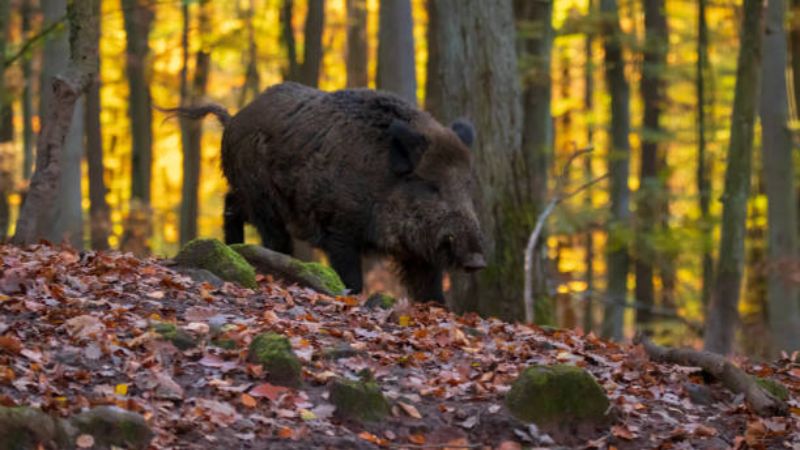
When thinking about wild boars, one immediately envisions an animal that embodies the essence of hunting. Since ancient times, this suid has been a prominent figure in mythology, art, and hunting culture across the Old Continent.
From Meleager, who hunted the Calydonian boar, to Hercules and his twelve labors, the wild boar has always symbolized strength, valor, and courage. Its figure, depicted in Roman mosaics, Etruscan frescoes, and Renaissance paintings, tells the story of an iconic, proud, and combative animal that has been considered the ultimate game animal for centuries. But what is the history of wild boars in Italy? How has their presence evolved amidst adaptations, hybridizations, and management challenges?
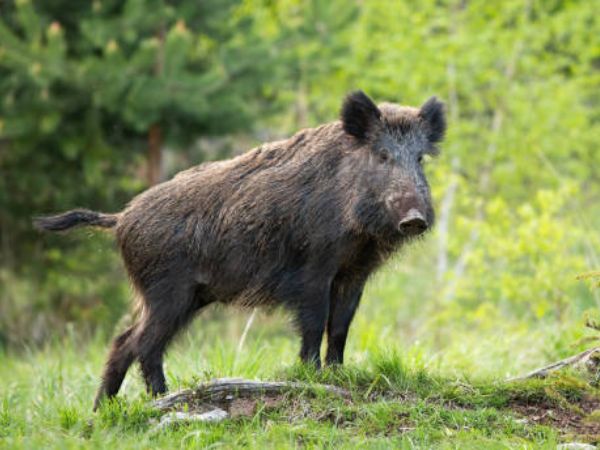
Beyond its hunting significance, the wild boar is also a top-tier culinary resource. Its meat, prized for its robust flavor and versatility in the kitchen, plays a central role in regional Italian cuisine, making the hunting of this animal not only a sporting and cultural activity but also a source of high-quality food.
The Italian Wild Boar: Varieties and Transformations
Over time, the Italian peninsula has been home to various types of wild boars, including the famous Maremman wild boar (Sus scrofa majori), a subspecies distinguished by its smaller size, an adaptation to arid and less productive environments. First described in 1927 by De Beaux and Festa, this variety is considered native to central and southern Italy, particularly the Maremma region and the Metalliferous Hills of Tuscany. However, its genetic purity has been compromised over time, especially since the 1960s, with the introduction of wild boars from Eastern Europe (Sus scrofa scrofa) and, according to some sources, even hybridized with domestic pigs.
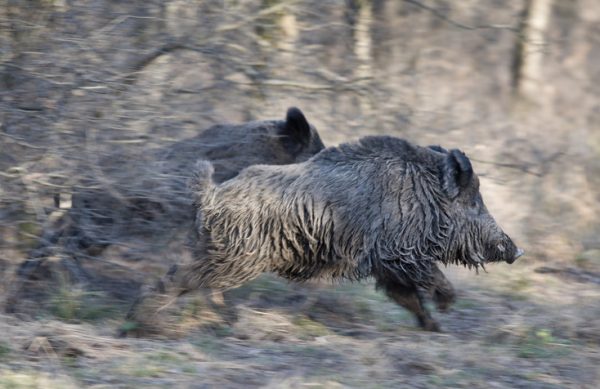
These restocking practices, though criticized today, were once common, aimed at reinforcing depleted or declining game populations. The effects of these introductions have sparked debates about the genetic value of Sus scrofa majori, with differing opinions on whether it should be considered a distinct species or merely an ecotypic variation of the European wild boar. Recent studies, however, suggest that while hybridization has occurred, it has not entirely erased the genetic uniqueness of the Maremman wild boar.
Wild Boar Hunting: A Symbol and a Challenge for Hunters
Hunting wild boars is a unique experience, deeply rooted in history and tradition, and also a true challenge for hunters. Why? First and foremost, the wild boar is an exceptionally adaptable animal capable of thriving in diverse environments, from oak forests to agricultural areas. Its intelligence, coupled with complex social behavior, makes every encounter an exciting adventure.
It is not just the challenge of hunting that makes the wild boar special: it has always been a symbol of strength and resilience. Its robustness and survival instincts make it a game animal that demands respect and skill. In particular, selective hunting techniques allow hunters to ethically engage with the animal while preserving its ecological value and regulating populations.
Wild Boar Meat: A Premium Resource
One of the most appreciated aspects of the wild boar is its meat, renowned for its intense, gamey flavor and versatility in cooking. Its firm texture and distinctive aroma make it ideal for hearty dishes that highlight culinary tradition.
Nutritional Characteristics
Nutritionally, wild boar meat is lean, high in protein, and lower in fat compared to other red meats. It is an excellent choice for those seeking a healthy and natural product, especially considering that wild boars feed primarily on what nature provides, such as acorns, roots, and wild fruits.
Regional Recipes
Each Italian region has developed recipes that enhance the unique taste of wild boar meat:
In Tuscany, wild boar alla cacciatora is a signature dish, prepared with red wine, juniper berries, garlic, and tomato.
In Umbria, wild boar is often featured in cured meats like sausages or prosciutto, valued for their bold flavor.
In Sardinia, it is stewed with myrtle, a signature herb of the island.
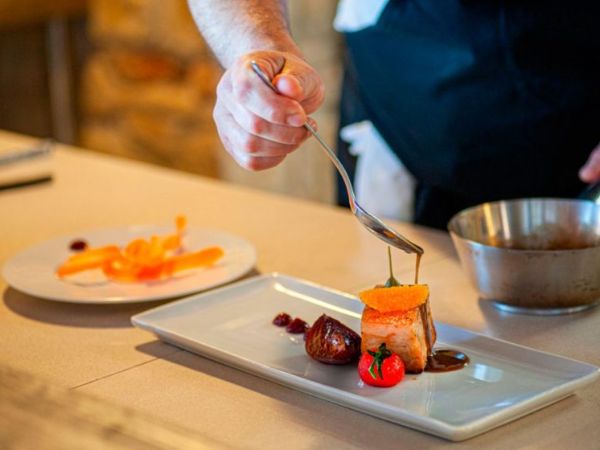
In Abruzzo and Molise, wild boar ragù is a rich and flavorful sauce, perfect for homemade pasta like pappardelle.
In Emilia-Romagna, it is used in stews, often paired with steaming polenta.
These dishes, combining tradition and taste, showcase the culinary versatility of wild boar meat and its deep-rooted role in Italian gastronomy.
The Evolution of Wild Boars in Italy
In recent decades, wild boar populations in Italy have expanded significantly, aided by environmental transformations and changes in land management. After a historical low in the 1920s, Italy’s forested area has increased by over 1.8 million hectares, with a 36% rise in broadleaf forests such as oaks, chestnuts, and beeches, which provide an abundant food source for wild boars. This increase in food availability has led to higher fertility rates and larger average sizes among wild boars, phenomena closely tied to improved environmental conditions.
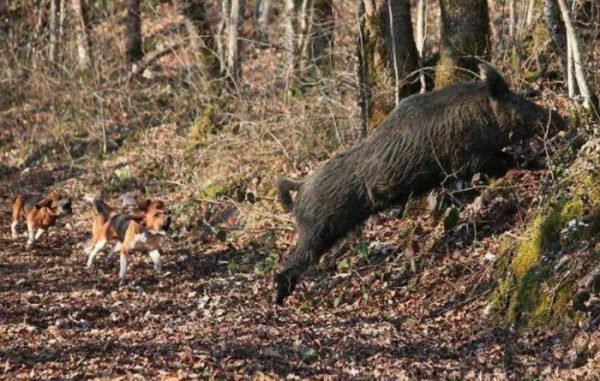
However, recolonization has not been uniform. While central and southern Italy have seen the survival of local ecotypes like the Maremman wild boar, alpine and Po Valley areas have been repopulated by European-origin boars, often larger and more prolific. In some regions, hunting pressure and climate change have further influenced the morphological and behavioral characteristics of wild boars.
A Magnificent Game Animal That Demands Careful Management
Managing wild boars requires a delicate balance between conservation and population control. On one hand, hunting is a vital tool for regulating their numbers and preventing damage to agriculture and ecosystems. On the other, it is crucial to adopt a scientific approach that accounts for the genetic characteristics and ecological dynamics of this species.
Hunting wild boars, in its various forms (driven hunts, stalking, or selective shooting), is one of the most rewarding hunting experiences, not only for the challenge it represents but also for the deep connection it fosters with the land. Moreover, the culinary value of its meat underscores the importance of promoting a complete and sustainable use of this game animal.
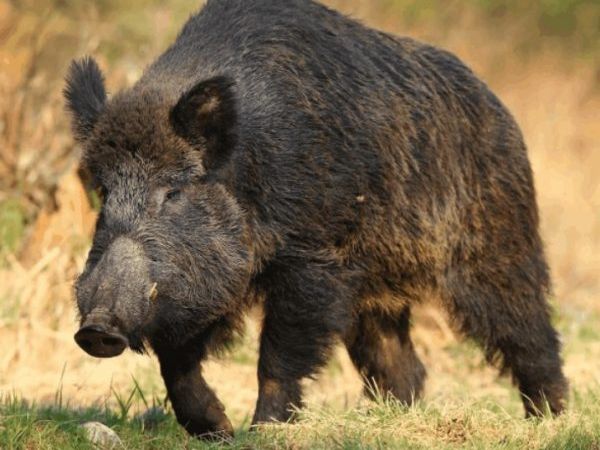
The wild boar is not just a fascinating game animal but also a central figure in cultural, hunting, and gastronomic traditions. Its presence, as a symbol of strength and a management challenge, offers an opportunity to reconnect with nature and the traditions of the past. Preserving the Maremman wild boar and carefully managing hybrid populations is a responsibility that falls not only on hunters but on the entire scientific and managerial community.
The wild boar is, therefore, a magnificent game animal, valued not only by hunters seeking to test their skills but also by culinary enthusiasts who find in its meat a unique flavor capable of telling the story and taste of our land.
FAQs – Wild Boar Hunting in Italy
Where can I hunt wild boar in Italy?
Italy offers excellent wild boar hunting across multiple Regions. The best choice depends on your preferred hunt style (driven vs selective), fitness level, and travel logistics. Tell us your dates and experience level, and we’ll recommend the most suitable area and format.
What hunting styles can I choose from?
Most programs fall into three formats: **driven hunts** (group hunt with dogs/beaters), **selective/stalking hunts** (quiet, technical approach), and **high-seat hunts** (waiting from a blind/tower). We’ll help match the method to your goals, experience, and the destination’s regulations.
When is the best time to plan a trip?
Season timing varies by Region and can change year to year. In general, wild boar hunting is often planned in the autumn–winter window, but exact dates and permitted methods depend on local rules. Share your travel window and we’ll confirm the best available options.
Next step: Want a region-specific plan for your dates? Request availability & a quote
What should I expect in terms of terrain and difficulty?
Terrain depends on the Region and hunt type: wooded hills, scrub, steep trails, and rocky clearings are common. We can suggest options ranging from more accessible areas to physically demanding hunts, based on your fitness and comfort level.
What paperwork do international hunters typically need?
Requirements depend on nationality and destination, but usually include the appropriate Italian hunting authorization, any regional permit where applicable, and valid insurance. If you’re traveling with firearms, additional steps may apply. We guide you through the process to ensure compliance before you arrive.
Is wild boar hunting suitable for beginners?
Yes, when the experience is properly guided. Beginners usually benefit from structured hunts with clear safety briefings and support. If you’re more experienced and want a technical challenge, selective/stalking options can be tailored accordingly.
Are wild boars dangerous or aggressive?
They can be, especially mature males in certain periods. Safety depends on clear protocols, correct positioning, and professional supervision. We prioritize structured organization and briefings so guests understand what to expect and how the day runs.
How many boars can I harvest on a trip?
Harvest outcomes vary widely by area, hunt type, local rules, and conditions. We’ll set realistic expectations in advance and clarify what is permitted and typical for the chosen program, before you commit to dates.
What accommodation and “after-hunt” experience can I expect?
Depending on the program, accommodations can range from countryside lodges and hunting estates to boutique hotels or villas. Many itineraries can include local cuisine and wine experiences close to the hunting grounds, ideal if you’re traveling with a non-hunter companion.
Can I combine hunting with sightseeing (Tuscany, villages, wine, food)?
Absolutely. Many guests combine hunting days with cultural visits, wineries, and regional food experiences. Tell us what you want to include (or avoid), and we’ll build a balanced itinerary around your hunting days.