
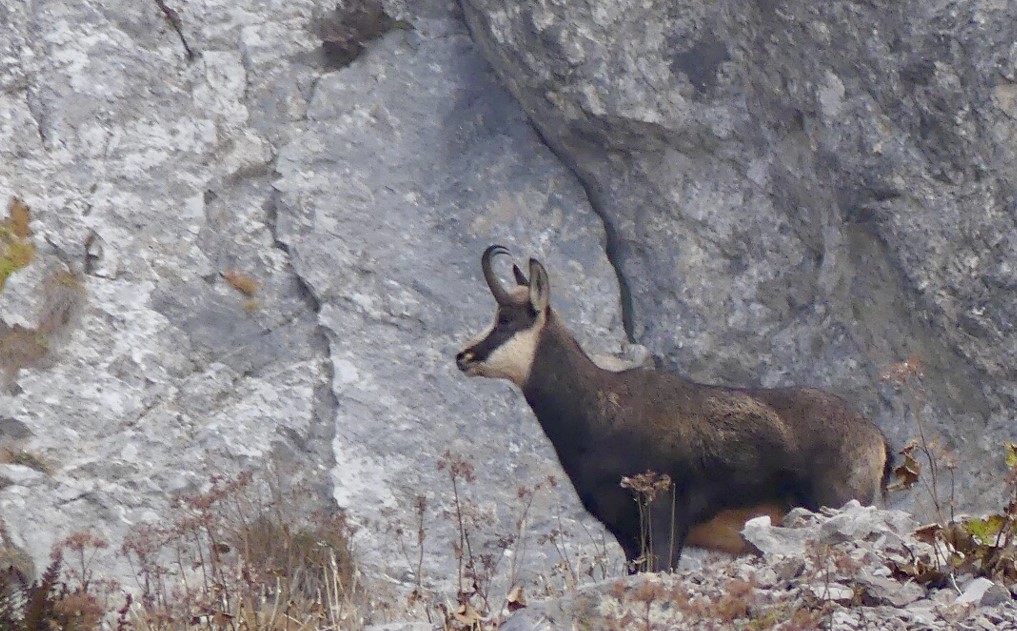
Maira Valley and Chamois Hunting
A place that seems to be at the edge of the world, where endless mountains touch the clouds, cutting through the horizon, and dense forests dot the mountain slopes: the Maira Valley.
Bright, sumptuous, and green like few others, in this wild valley, urbanization seems to have yielded to the lush nature.
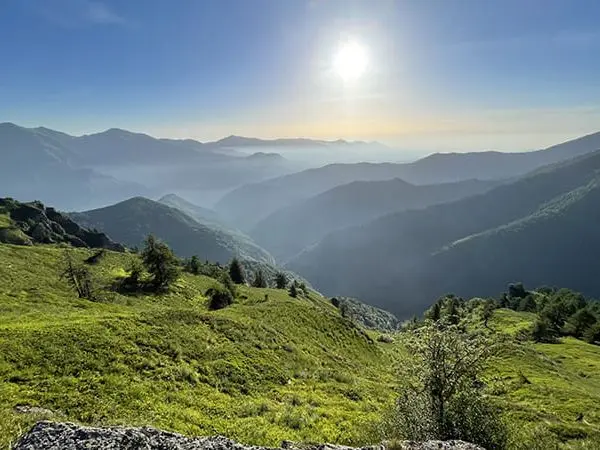
The vast stretches of green pastures contrasting with the jagged peaks of the mountains give the area an aura and a truly unreal sensation.
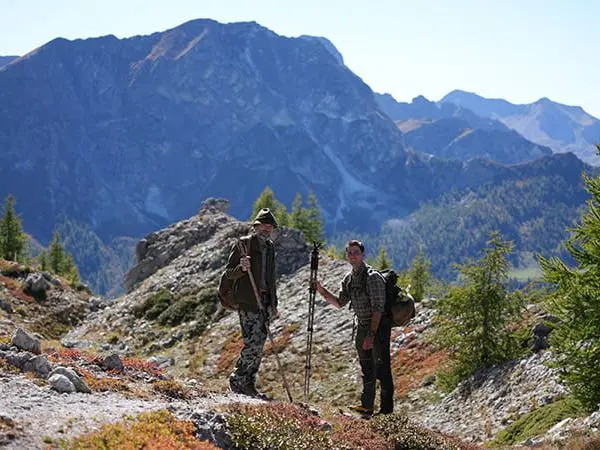
The Maira Valley is a true place of bliss not only for hunters but also for hikers, sports enthusiasts, and nature lovers in general.
You really don’t know it until you leave the main road behind, along with your car, to hike the trails that crisscross it, revealing majestic landscapes that defy boundaries and stretch into France. A paradise for outdoor enthusiasts: trails that overlook breathtaking panoramas, lands with traditional flavors, and frescoed chapels that tell stories of an ancient people.
In Maira Valley, you have the opportunity to experience chamois hunting that is the hunt of a lifetime and stalking unlike any other. The native chamois of these mountains attract hunters from all over the world.
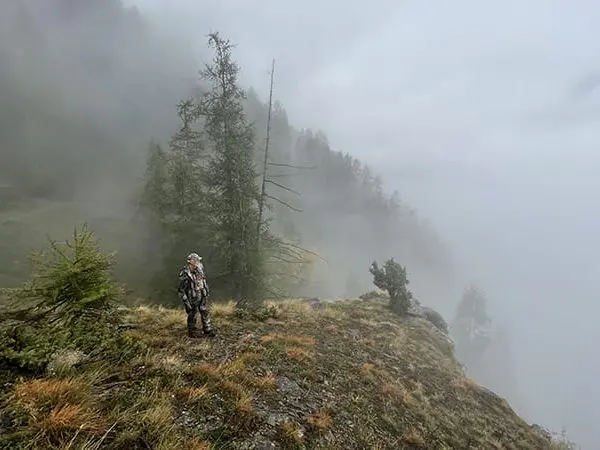
With its keen eyesight and acute hearing, this precious ungulate provides the hunter with an experience as fascinating as it is challenging. At sunrise, far from homes, buildings, and roads, the hunter sets out on the splendid trails of the valley, venturing through forests, over mountains, and into valleys in search of chamois.
However, what the valley has to offer is not limited to hunting: while hunters challenge their “rivals” on hunting grounds, their non-hunting companions will certainly find plenty to enjoy as well.
A Day in the Life: Hunting Chamois in Val Maira, Italian Alps
The sun’s first rays cast a golden glow over the rugged peaks of Val Maira, a pristine valley nestled in the Italian Alps. Our day of chamois hunting begins early, with the crisp morning air filling our lungs as we gear up for the adventure ahead.
Morning: The Ascent Begins
The alarm rings at 4:30 AM, and the lodge buzzes with quiet excitement. We fuel up with a hearty breakfast of fresh bread, local cheeses, and strong Italian coffee. By 5:30 AM, we’re ready to set out. Our guide, Marco, a seasoned hunter with years of experience in these mountains, leads the way.
The ascent starts gently, winding through lush alpine meadows still dotted with wildflowers. As we climb higher, the terrain becomes steeper and more challenging. The rocky paths require careful navigation, and the crisp, thin air demands a slower, steady pace. Along the way, Marco shares his knowledge of the local flora and fauna, pointing out signs of wildlife and explaining the habits of the elusive chamois.
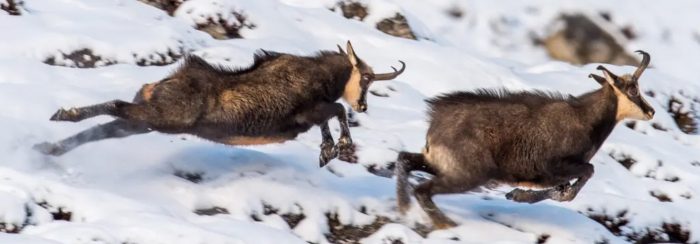
During the rut the chamois engages violent fights
Mid-Morning: Spotting and Stalking
By mid-morning, we reach a vantage point that offers a breathtaking panoramic view of the valley below. It’s here that we set up our spotting scopes and binoculars, scanning the craggy slopes for any sign of movement. The chamois, with their incredible agility and keen senses, are well-adapted to this rugged terrain.
After what feels like an eternity, Marco spots a small group of chamois grazing on a distant ridge. The adrenaline surges as we carefully plan our approach. The wind direction is checked and rechecked to ensure we remain undetected. We begin our stalk, moving slowly and deliberately, using every available rock and shrub for cover.
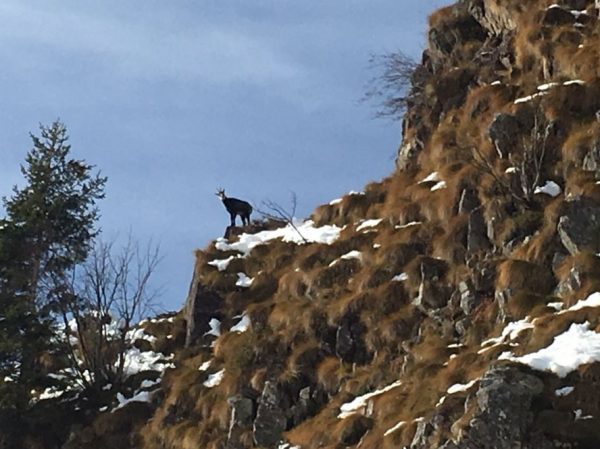
Noon: The Final Approach
The sun is now high in the sky, and the temperature rises, but the cool mountain breeze keeps us comfortable. The final approach is the most critical phase of the hunt. Every step is measured, every sound muffled. The chamois are alert, their ears twitching at the slightest noise.
Finally, we are within range. The chosen rifle, a 6.5 Creedmore bolt action, is quietly readied. Heart pounding, we wait for the perfect shot opportunity. It’s a test of patience and skill, requiring steady hands and calm nerves. When the moment comes, it’s swift and precise. The shot rings out, echoing through the mountains, and the chamois falls.
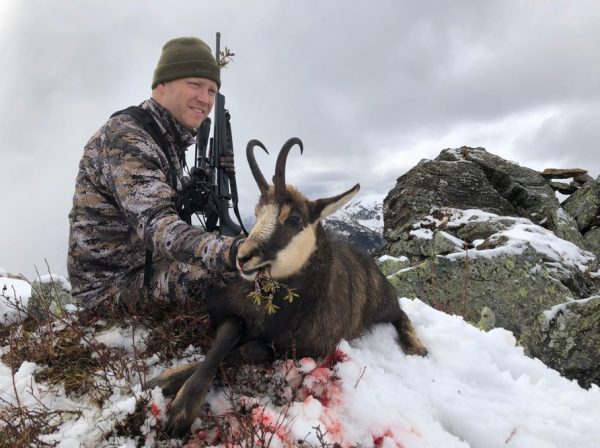
Nick Hoffmann in 2019 during his hunting with Montefeltro in Val Maira in the Italian Alps
Afternoon: The Descent and Reflection
With the chamois successfully harvested, we take a moment to pay our respects to this magnificent creature and the mountains that are its home. It’s a humbling experience, one that connects us deeply to the natural world and the age-old traditions of hunting.
The descent is much easier, though still demanding. The team works together to carefully transport the chamois back down to the valley. As we make our way, there’s a sense of camaraderie and shared accomplishment. The conversation flows, filled with stories of past hunts and dreams of future adventures.
Evening: Celebrating the Day’s Success
Back at the lodge, the atmosphere is celebratory. The day’s hunt is recounted over a feast of local delicacies, paired with robust Italian wines. The fireplace crackles warmly, and laughter fills the room as we relive the day’s highlights.
As night falls, the fatigue sets in, but it’s a good kind of tired – the kind that comes from a day well spent in nature’s embrace. We retire to our rooms, already dreaming of the next day’s hunt and the promise of new challenges and experiences in the majestic Val Maira.
Hunting chamois in the Italian Alps is more than just a pursuit; it’s an immersion into a world of natural beauty, physical challenge, and deep respect for the wildlife and the land. It’s a journey that tests your limits, rewards your perseverance, and leaves you with memories that last a lifetime.
Guided hikes in Maira Valley
The gentle meadows and imposing mountains that define the hunting area become venues for a variety of activities: trekking paths, mountain biking and e-bike routes, and horseback rides cater to everyone from the seasoned athlete to families with children.
The wonder of falling leaves, the sounds of the forest, birdsong, and the spectacle of the mountains: what you will experience in these territories, in a perfect balance of body, mind, and spirit, is nature’s gift.
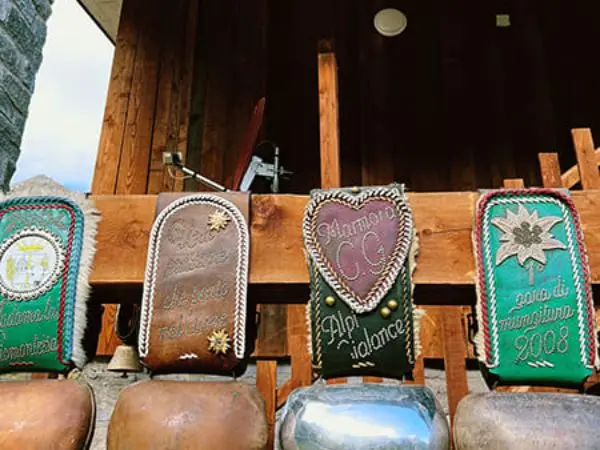
A valley with endless possibilities, where excursions become a sensory experience ideal for everyone. Whether on bike or on foot, you will discover breathtaking views, botanical rarities, and encounter local wildlife.
Once you reach the top of the high peaks, the call of the wind is so strong that it becomes hard to ignore, but the breathtaking view rewards the effort and sweat of the climb.
Small villages, medieval castles, and old residences
In addition to the spectacular views, there are forgotten and rediscovered small villages where time seems to have stopped. Each town has stories to tell, art treasures and culture to discover, and the ability to welcome you and make you feel at home.
Near the valley, there are also medieval castles and historic residences. Piedmont has been home to several historically significant families, particularly the Savoy family, and therefore the region boasts truly majestic architecture.
If you’re a lover of castles, old residences, and all the legends that surround them, about an hour and a half away from the reserve, you can visit the Royal Castle of Racconigi. From an ancient medieval fortress to a “villa of delights,” it was a residence of the Savoy family, whose presence can still be felt today.
The wellness program, the cooking class and the mountain pasture
If, however, you don’t feel like moving and want to stay near the hotel, you can take advantage of the lodge’s wellness program and the treatments offered.
The wellness program consists of a salt cave, steam bath, hydromassage tubs and wood-heated Finnish sauna. Perfect synthesis between peace of mind and harmony of the senses.
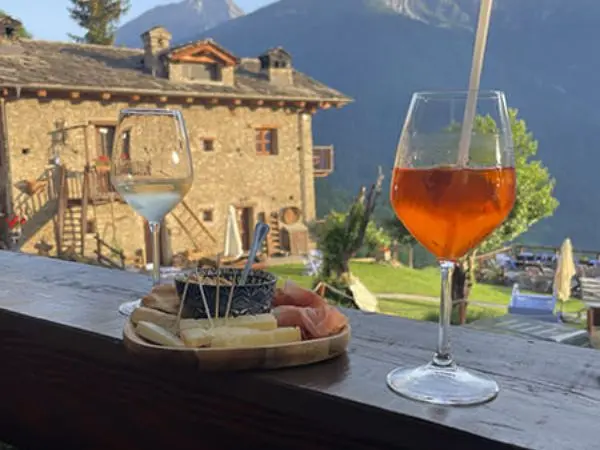
The Ayurvedic treatment to be done in the room based on hot oils will help make your stay a pleasant experience.
Among the various proposals not to leave the hotel, for the more “greedy” or cooking enthusiasts, the cooking class where you can learn how to make the typical dish of the area: Ravioles.
A type of traditional pasta from the Occitan valleys of the province of Cuneo which, despite their name, are not rectangular in shape like ravioli but have an elongated cylindrical shape.
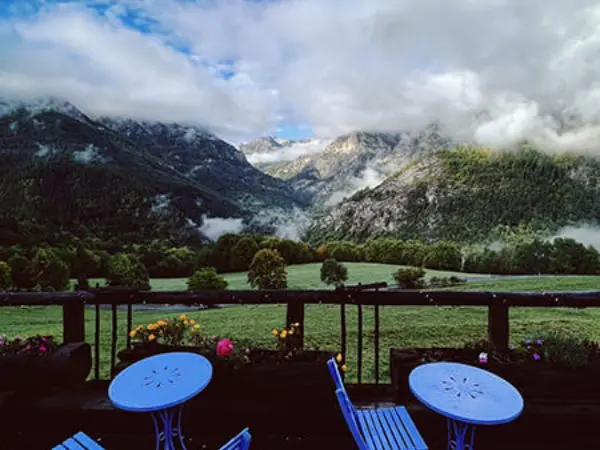
Finally, a stone’s throw from the lodge, you can go and discover the world of the Valanghe mountain pasture, a small reality where Roberta will talk to you about their breeding and tradition and where you can observe the true processing of the Nostrale mountain pasture and its process and then finally enjoy a lunch with the company’s products.
Maira Valley is a valley with a thousand proposals, both for hunters and their companions.
With its ancient, silent and welcoming soul you will breathe in its uncontaminated and enchanting nature, art, history and archeology at every step. The perfect place to venture into chamois hunting and enjoy an unparalleled geological panorama.
Frequently Asked Questions – Hunting in Maira Valley (Italian Alps)
1. Where is the Maira Valley hunting area located?
The Maira Valley hunting territory is located in the Piedmont region of northwestern Italy, in the Province of Cuneo, close to the French border.
The area lies within the Italian Alps and ranges between approximately 1,200 and over 3,000 meters above sea level, offering authentic high-mountain hunting terrain.
The nearest international airports are Turin and Milan, both easily reachable by road.
2. What species can be hunted in the Maira Valley?
The main species available in the Maira Valley include:
Alpine chamois
Alpine ibex (where permitted by quota)
Roe deer
Red deer (depending on seasonal management plans)
All hunts are conducted under strict regional wildlife management plans and annual quota systems established by local authorities.
3. When is the best season for hunting in Maira Valley?
Hunting seasons vary depending on species and regional regulations. Generally:
Chamois hunting season runs from late summer to autumn.
Ibex hunting is strictly regulated and limited to specific quotas.
Roe deer and red deer seasons follow official Piedmont hunting calendars.
The best period depends on the species targeted and the type of alpine experience desired (early-season stalks vs. autumn rut).
4. How physically demanding is alpine hunting in the Maira Valley?
Alpine hunting in the Maira Valley is considered moderately to highly demanding.
The terrain includes steep slopes, rocky ridges, and high-altitude environments. Good physical condition is recommended.
However, the level of difficulty can be adapted depending on the hunter’s experience and fitness.
Professional local guides accompany every hunt to ensure safety and success.
5. Is hunting in the Maira Valley ethical and sustainable?
Yes. All hunting activities follow strict wildlife management plans approved by regional authorities.
Montefeltro operates exclusively under:
Annual quota systems
Selective harvest principles
Mature male selection criteria
Collaboration with local wildlife management bodies
The goal is to maintain ecological balance and preserve biodiversity for future generations.
6. Do international hunters need special permits to hunt in Italy?
Yes. International hunters must provide:
Valid hunting license from their home country
European Firearms Pass (for EU hunters) or temporary import authorization (for non-EU hunters)
Insurance coverage
Montefeltro assists clients throughout the entire administrative process to ensure full compliance with Italian regulations.
7. What type of rifle and optics are recommended for alpine hunting?
Alpine hunting typically requires:
Flat-shooting calibers suitable for mountain distances
Quality optics with reliable elevation adjustment
Lightweight and stable shooting platforms
Average shooting distances vary depending on terrain and species, often ranging between 150 and 300 meters.
Final equipment recommendations are provided prior to arrival.
8. What is the average success rate for hunting in the Maira Valley?
Success rates depend on species, season, weather conditions, and hunter preparedness.
Thanks to careful territory management, experienced local guides, and selective planning, success rates are generally high within the allocated quotas.
Each hunt is conducted with realistic expectations and full respect for natural conditions.
9. What accommodation options are available for hunters?
Hunters are accommodated in carefully selected alpine lodges or traditional mountain hospitality structures.
Accommodation includes:
Comfortable rooms
Local gastronomy featuring regional cuisine
Personalized assistance
Transfers to and from hunting areas
The experience combines authentic alpine atmosphere with premium service standards.
10. How many hunters are allowed in the area at the same time?
To preserve the exclusivity of the experience and minimize disturbance to wildlife, the number of hunters per period is strictly limited.
This ensures:
Low hunting pressure
High-quality stalking experience
Greater safety
Respect for the environment
The Maira Valley is not a mass hunting destination but a carefully managed alpine territory.
11. How do I reach the Maira Valley hunting area?
The Maira Valley can be reached by car from:
Turin (approximately 2 hours)
Milan (approximately 3 hours)
Nice (France, approximately 2.5 hours)
Private transfers can be arranged upon request.
12. Is the Maira Valley suitable for first-time alpine hunters?
Yes, provided the hunter is in reasonable physical condition.
Professional guides adapt the strategy to each hunter’s experience level.
Both experienced mountain hunters and motivated first-time alpine stalkers can enjoy a rewarding and safe experience.