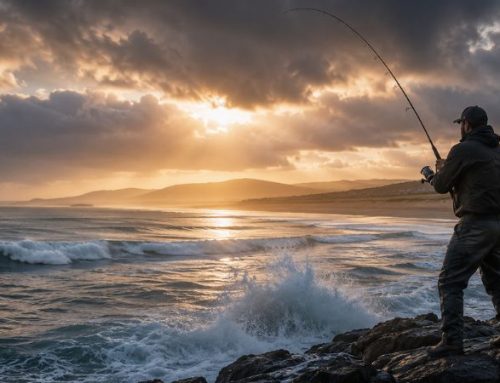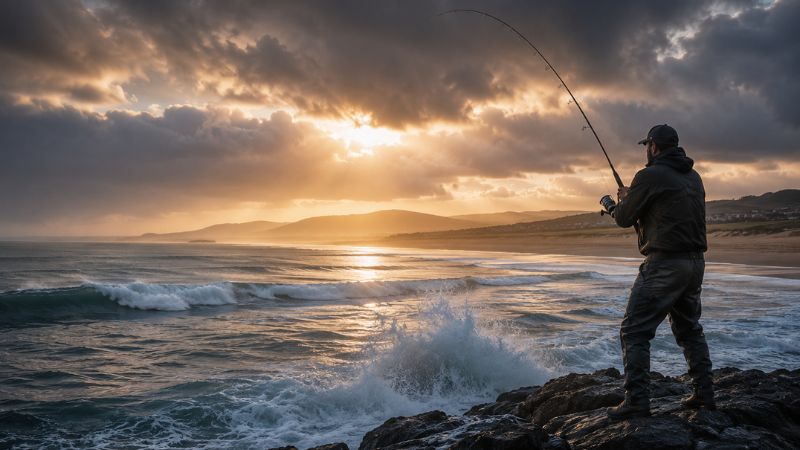


There is a moment, in the icy waters of the Pacific off Sitka, when the wake behind the boat tightens, the surface trembles, and the line begins to sing.
If it’s a King Salmon (Chinook), you recognize it in the first brutal acceleration—pure power. If it’s a Silver Salmon (Coho), the jumps will tell you: flashes of silver bursting out of the water, one after another. This guide helps you choose the right time for King Salmon fishing in Alaska, plan the best period for Silver Salmon in Sitka, and set up gear, licenses, and a typical fishing day with the efficiency of someone who knows the waters well.
Sitka overview
Sitka is one of the sport-fishing capitals of Southeast Alaska. It faces the open ocean (Sitka Sound) on the western side of Baranof Island and can only be reached by sea or by air with daily scheduled flights during high season.
Because of this location, it combines immediate access to the ocean migration routes of salmon with the possibility of fishing in protected waters among islands and sheltered coastlines when the weather turns rough.
The result: frequent fishing opportunities and some of the highest catch rates in the state. For this reason, many lodges and operators consider Sitka a first choice for a full immersion targeting both King and Silver salmon.
Seasons: King (May–June) vs Silver (July–September)
Choosing when to go is half the success. Salmon don’t follow calendars, but their runs tend to repeat similar seasonal windows year after year.
King Salmon (Chinook): May–June
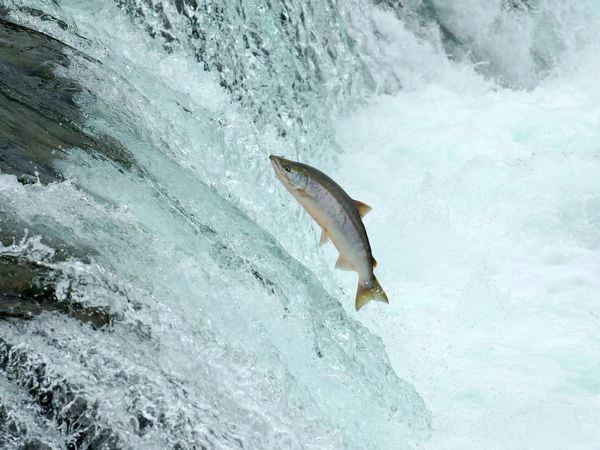
In Sitka, May–June is the classic window for targeting King Salmon. Fish are in peak condition, often large in size, and the conditions are ideal for deep trolling and mooching techniques.
Across Alaska in general, many fishing guides place the broader King peak between mid-May and July, but Sitka programs optimized for Chinook tend to focus especially on late spring and early summer.
Silver Salmon (Coho): July–September
From mid-July through September, Silver Salmon dominate the action. Expect more strikes, more surface activity, and the dynamic fight that makes them especially exciting for anglers who enjoy constant action.
Toward late August and early September, the average size often increases, and it’s not uncommon for crews to reach the daily catch limit early in the day.
Visual calendar (indicative)
Species – Recommended window – Rod sensation – Operational notes
King (Chinook)
May–June
Raw power, long runs
Deep trolling in the water column, targeted mooching; depth varies depending on light and tides.
Silver (Coho)
July–September
Acrobatic jumps and frequent strikes
Often found higher in the water column; very productive fishing windows.
Practical tip: if this is your first salmon trip to Alaska, plan 4–5 fishing days within the heart of your chosen window (King or Silver), and keep one extra buffer day in case weather or fish movement requires adjustments.
Boats & equipment: comfort, safety, efficiency
In Sitka, anglers typically fish aboard offshore vessels designed for the conditions of the North Pacific. Boats are equipped with radar, GPS, fish finders, VHF radios, heated cabins, and 360-degree walk-around decks that allow anglers to move freely during a fight.

Coldwater boats around 34–35 feet offer speed for transfers and stability in open water. Layouts are optimized for deep trolling for salmon and for mooching with natural bait or artificial lures when fish move higher in the water column.
Licenses and the King Salmon Stamp
To participate in sport fishing in Alaska you need:
- Fishing license (required for non-residents aged 16 and older)
- King Salmon Stamp if you plan to fish for or retain Chinook salmon
- Licenses and stamps can be purchased online or from authorized retailers. Always carry them with you on the boat and follow harvest record requirements where applicable.
Daily and annual limits may vary by region and may change during the season through Emergency Orders. Always check current regulations before fishing.
Gear checklist: the winning setup
Saltwater spinning / casting gear
- Rods: 9–10 ft rated 20–40 lb with strong backbone and progressive action
- Line: 30–65 lb braided line + 20–40 lb fluorocarbon leader
- Hooks: barbless where required
- Drag: smooth and progressive to handle long runs
Common brands used aboard many boats include G-Loomis rods and Shimano reels for reliability and smooth performance.
Trolling & Mooching techniques

Deep trolling (King)
Maintains precise depth and speed. Downriggers or weighted systems keep the bait in the productive zone depending on light and tidal movement.
Mooching (Silver and shallow Kings)
A controlled drift with a more natural bait presentation. Especially effective when salmon move higher in the water column.
Fly fishing option
- Rods: #8–10 (single-hand or switch rods)
- Lines: intermediate or sink-tip
- Flies: large streamers or intruder patterns
- Technique: vary retrieve speed and pauses depending on water temperature and fish activity.
Clothing & safety
Weather in Southeast Alaska can change quickly.
Recommended:
- Layered clothing (thermal base layer + fleece + waterproof shell)
- Warm hat and gloves
- Polarized sunglasses
- Breathable waders and sturdy boots
- Dry bag with spare clothes
Guides provide safety briefings and personal flotation devices. Cold water and strong tidal currents make proper safety procedures essential.
A typical fishing day in Sitka
05:30 – Coffee and morning briefing: weather, tides, fishing plan
06:30–11:30 – First fishing window targeting King or searching actively for Silver salmon
11:30–13:00 – Break and relocation if conditions change
13:00–16:30 – Second fishing window in a different area or water depth
Evening – Return to harbor, clean fish if kept, and plan the following day
Common mistakes (and how to avoid them)

Underestimating release time
Proper catch-and-release techniques reduce stress on fish, especially large Kings.
Choosing the wrong week
Shifting a trip by even 7–10 days can significantly affect success rates.
Incorrect trolling setup
Improper speed or lure depth drastically reduces effectiveness. Guides constantly adjust settings to match fish behavior.
Close your eyes and imagine
At sunrise, Mount Edgecumbe glows pink behind low clouds. The boat cuts through a silver sea, and the wake tells stories of deep Kings and impatient Silvers.
In Alaska, fishing is more than catching a fish—it’s meeting its energy. And when the drag screams and the rod bends deeply, you realize that this is exactly the moment you traveled here for.