
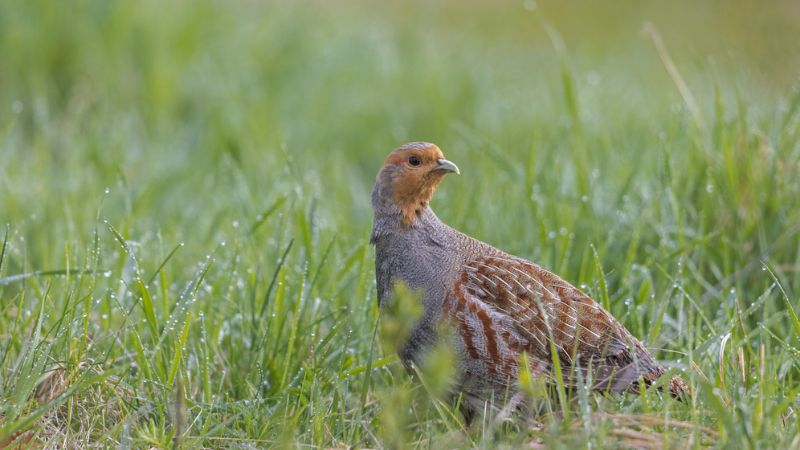
The Grey Partridge: A Vanishing Symbol of Rural Britain
The grey partridge, once abundant across the fields and heaths of England and Scotland, is now a rare sight—a symbol of a changing rural landscape and a hunting tradition that risks disappearing.
This species, once so prolific, is today almost completely absent in many regions or exists in numbers so small that hunting is no longer sustainable. However, on certain estates where management has been particularly careful, it is still possible to maintain a small surplus of birds, allowing for limited but sustainable hunting that respects and honors this ancient tradition.
Grey Partridge Hunting: A Tradition in Decline
In England and Scotland, grey partridge hunting is deeply rooted in rural history and culture. Every autumn, hunters would prepare for the driven shoots where the partridge represented the pinnacle of sporting skill.
Today, however, this tradition is under serious threat. In many areas, the grey partridge has disappeared or become so rare that hunting is no longer feasible. Only on estates where exceptionally careful management has produced a surplus of birds can hunting still be permitted—and even then, only with extreme caution.
The Challenges of Managing the Grey Partridge
Managing the grey partridge in England and Scotland is complex and requires a delicate balance. Indiscriminate shooting, especially in areas where red partridges are released, can have devastating effects on wild grey partridge populations, which already exist at very low densities.
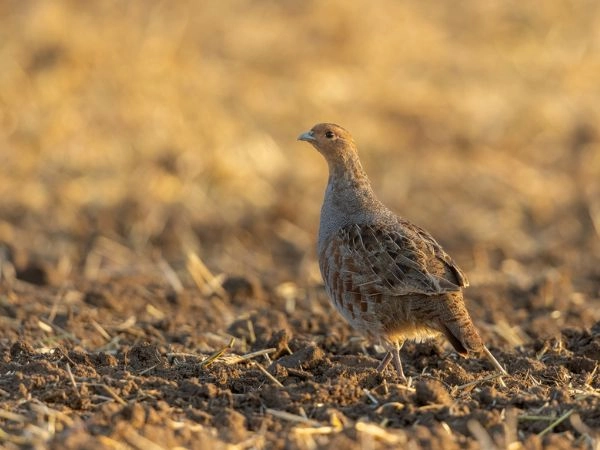
For this reason, it is essential to follow a set of “golden rules” to ensure that hunting does not further compromise the survival of the species.
The Golden Rules for Grey Partridge Hunting
- Minimum Density Requirements: In England and Scotland, grey partridge should never be hunted if autumn densities fall below 20 birds per 100 hectares. Below this threshold, the population cannot recover from hunting losses.
- Stop Hunting Once the Threshold Is Reached: Once the 20-bird threshold is reached, hunting must be halted to allow the population to recover.
- Stop Hunting After December: Hunting should be stopped after the end of December, as birds begin to form breeding pairs at this time. Continuing to hunt would risk undermining the next year’s breeding population.
- Do Not Shoot Pairs: Pairs should never be shot, as doing so would compromise breeding success.
- Special Precautions During Pheasant and Red Partridge Shoots: During driven shoots for pheasants or red partridges, special measures must be taken to avoid accidentally shooting wild grey partridges. Hunters should be informed about the potential presence of grey partridges and instructed not to shoot if there is any doubt.
- Alert System: A whistle system among beaters can alert hunters when partridges are sighted. Their distinctive call can also help identify them. In addition, having observers on the shooting line can help prevent fatal mistakes.
Managing Grey Partridge Populations in England and Scotland
Proper management of grey partridge requires careful population monitoring. Autumn counts, carried out immediately after harvest, are crucial for determining whether enough birds are present to allow hunting. These counts are conducted by walking through fields at dawn or dusk and recording the size of all partridge groups observed.
In unmanaged areas, an average of 4.5 nesting pairs per 100 hectares would be expected. With annual losses of around 55%, at least 20 birds per 100 hectares are needed in autumn to keep numbers stable. If densities fall below this level, hunting should not take place.
The Conservation Challenge
Releasing captive-bred grey partridges rarely succeeds in England and Scotland, as most birds are predated within weeks of release. Conservation of wild grey partridge depends largely on habitat management and legal predator control. Specific guidelines have been developed to encourage the recovery of wild breeding populations.
The Magic of Grey Partridge Hunting
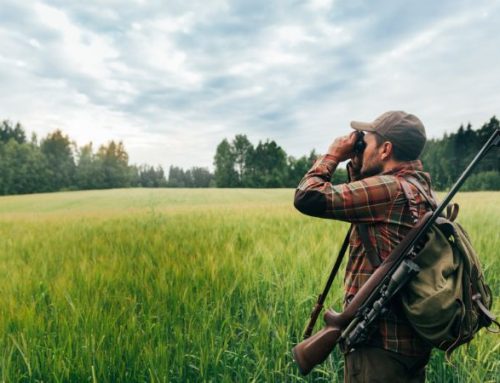
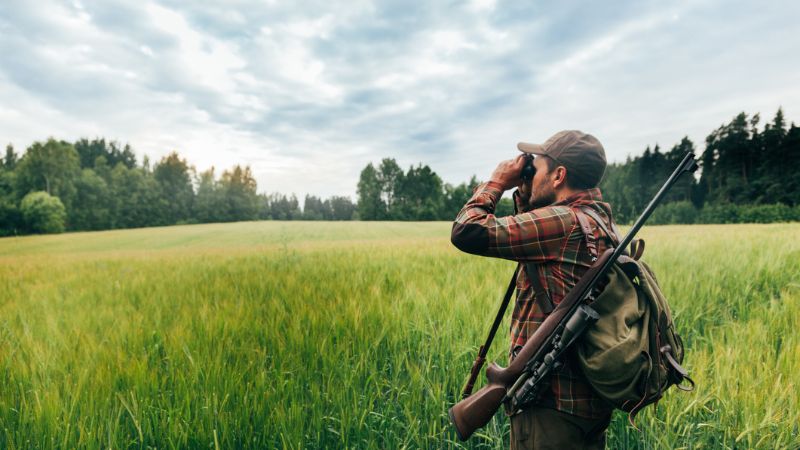
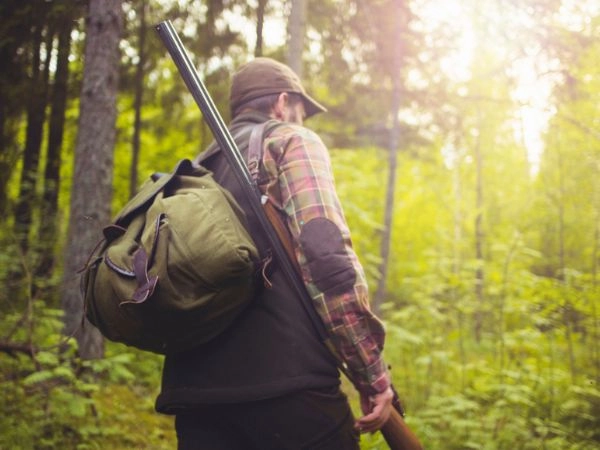
In England and Scotland, grey partridge hunting is much more than a sport; it is an immersion into a world rich in centuries-old traditions and respect for nature. The hunter, with his shotgun and keen eye, is not merely a predator but a guardian of a delicate balance.
Each driven shoot is an experience that reminds us of the importance of preserving the roots of our hunting heritage and the natural legacy, ensuring that future generations can feel the same emotions, respect, and love for the wild beauty of the British and Scottish countryside.