
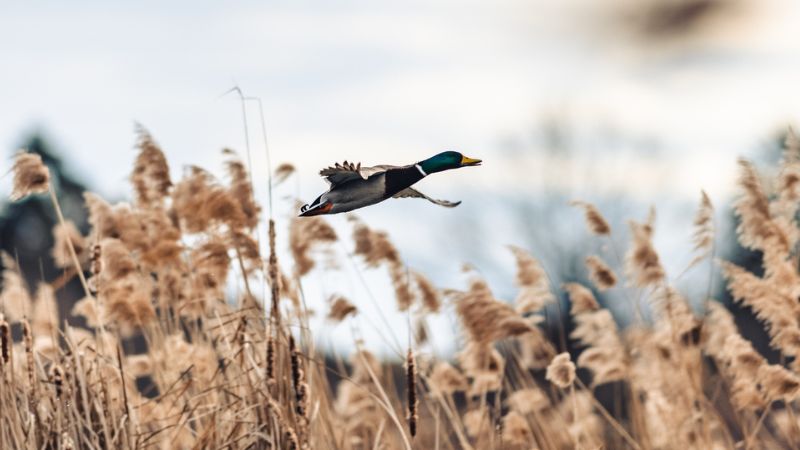
Wing shooting in South Africa is not only an exciting adventure rooted in centuries-old traditions, but also a unique opportunity to explore and experience the country’s extraordinary variety of ecosystems.
Here, among landscapes ranging from golden savannas to rugged mountain ranges, hunters can engage in the pursuit of various species of wild birds, each with its own distinctive characteristics and unique challenges.
Game Bird Species and Their Habitats
Guineafowl, among the most iconic species, are a symbol of South African wildlife. Easily recognizable by their spotted plumage and upright crests, these birds inhabit grasslands and savannas. Their tendency to move in large flocks and their fast, zigzagging flight patterns make hunting them a true test of skill and reflexes.
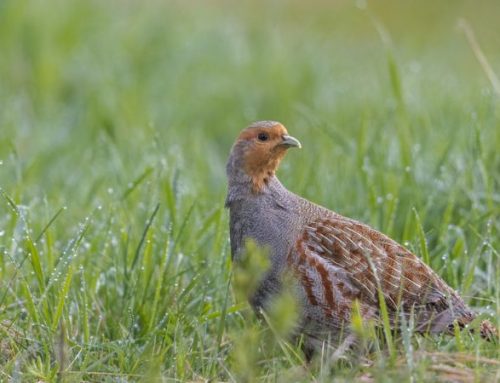
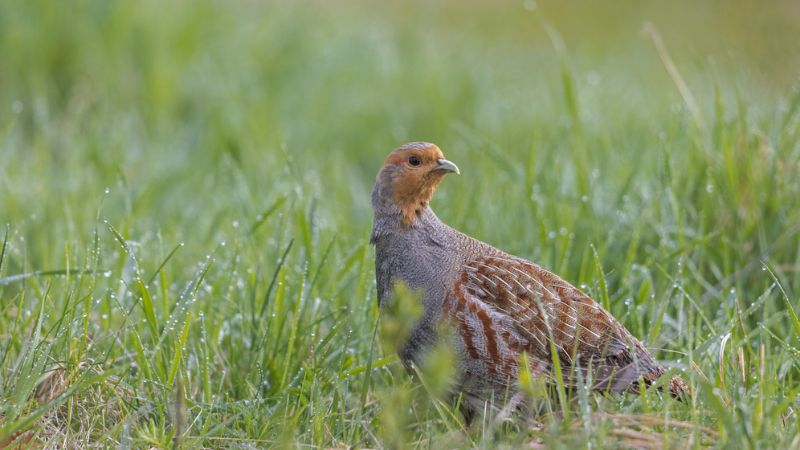
Francolins are another highly prized quarry and can be found across a wide range of habitats, from semi-arid regions to the lush grasslands of the highveld. Among them, the Grey-wing Francolin is particularly valued by hunters for its cunning nature and remarkable ability to blend into rocky terrain and mountain vegetation. Hunting this bird, often conducted on uneven ground and in variable weather conditions, represents a challenge that is both physical and tactical.
Sandgrouse, with their long wings and ability to fly great distances, are perfectly adapted to arid and semi-desert environments. These birds move in groups and feed during the early morning hours, and are renowned for their fast and unpredictable flight, which challenges even the most experienced hunters.
African doves, commonly found in agricultural areas and rocky zones, are widespread yet no less demanding as quarry. Their swift and erratic flight requires hunters to remain constantly alert, adapting quickly to changing terrain and weather conditions. Dove hunting is often associated with farmland, where these birds find abundant food sources.
A Historical Legacy Rich in Tradition
The origins of this ancient practice date back to the 17th century, when the first Dutch settlers arrived on South Africa’s shores. Over time, wing shooting evolved, incorporating influences from British traditions and local practices. During the 19th-century British colonial period, wing shooting became not only a sport but also a significant social event. Hunting expeditions, often involving weeks of preparation and long journeys, provided opportunities for the colonial elite to demonstrate prestige and refinement.
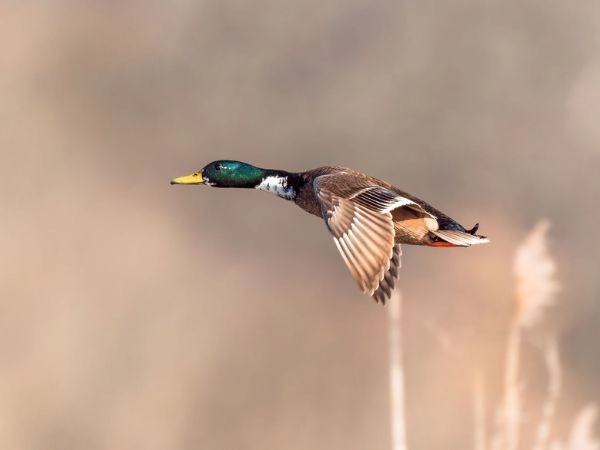
These carefully organized hunts were not merely moments of leisure, but also occasions to strengthen social ties and discuss business and politics in an informal yet exclusive setting. British influence introduced a more formalized approach to hunting, including wildlife management practices and regulated hunting seasons designed to ensure the sustainability of bird populations.
The Evolution of Wing Shooting in the 20th Century
With the expansion of agriculture and the establishment of large farming enterprises, the habitats of game bird species underwent significant changes. While habitat loss led to population declines in some areas, agricultural practices in others created new opportunities by increasing food availability. This complex relationship between farming and hunting encouraged many landowners to manage their land in ways that supported game populations, integrating conservation with sport.
The mid-20th century marked a period of profound transformation in South Africa, culminating in the end of colonial rule and the establishment of the Republic of South Africa in 1961. These changes also had a significant impact on wing shooting, opening the sport to a broader audience and making it accessible to new segments of the population. The democratization of hunting reflected wider social and economic changes across the country.
Wing Shooting Today: Between Tradition and Conservation
Today, wing shooting in South Africa takes place within a context of growing awareness regarding conservation and sustainable practices. The unpredictability of wild game, a defining characteristic of this form of hunting, requires careful management to ensure healthy and stable bird populations. Game bird numbers are influenced by various factors, including climate, habitat conditions, and human activity.
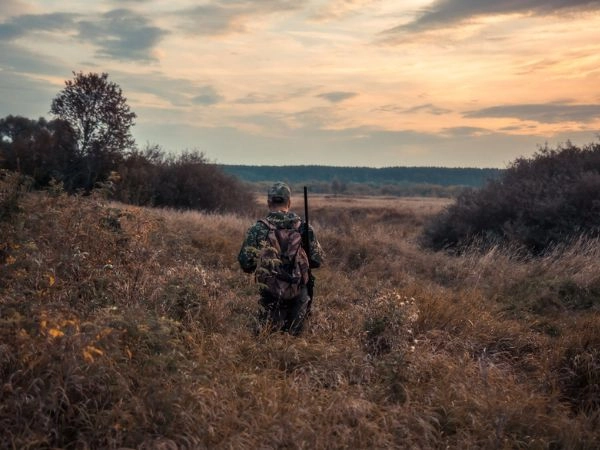
Unlike managed shoots, where birds are bred and released in controlled environments, hunting wild birds depends entirely on their natural behavior and movements. This means hunters must continually adapt to daily conditions, taking into account weather patterns, food availability, and seasonal migrations. This unpredictability gives wing shooting its distinctive appeal, offering experiences that are both unique and challenging.
The Future of Wing Shooting in South Africa
Looking ahead, South Africa continues to balance tradition, sport, and conservation. Maintaining this equilibrium will be essential to ensuring the long-term sustainability of wing shooting in the decades to come. The responsibility for preserving this natural and cultural heritage lies with everyone involved—from hunters and farmers to wildlife management authorities.